


Charger images
Les formats d'image autorisés sont de type jpeg, png ou gif
La taille maximale du fichier doit être de 20MB
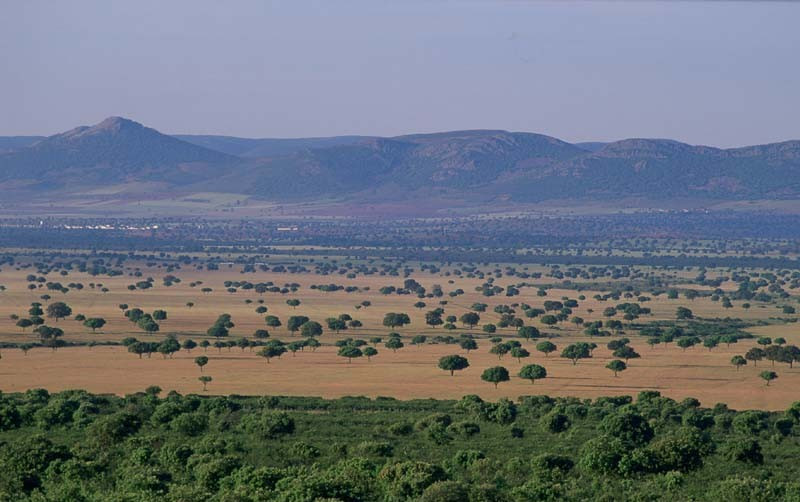
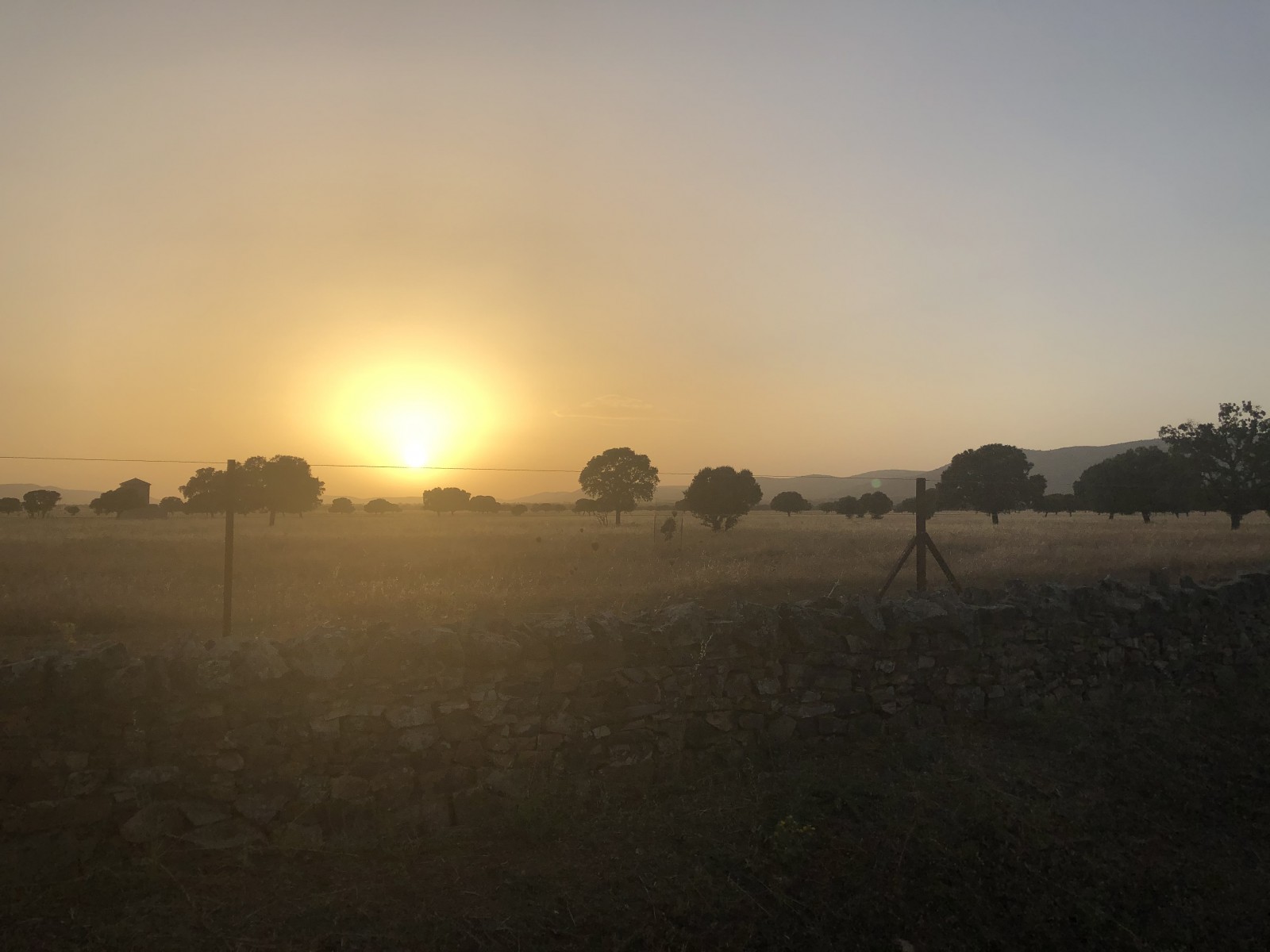
Wild, remote and superb area of natural beauty. One of Spain's sixteen national parks. Mediterranean woodland, "Raña" landscape and scrubby mountains.
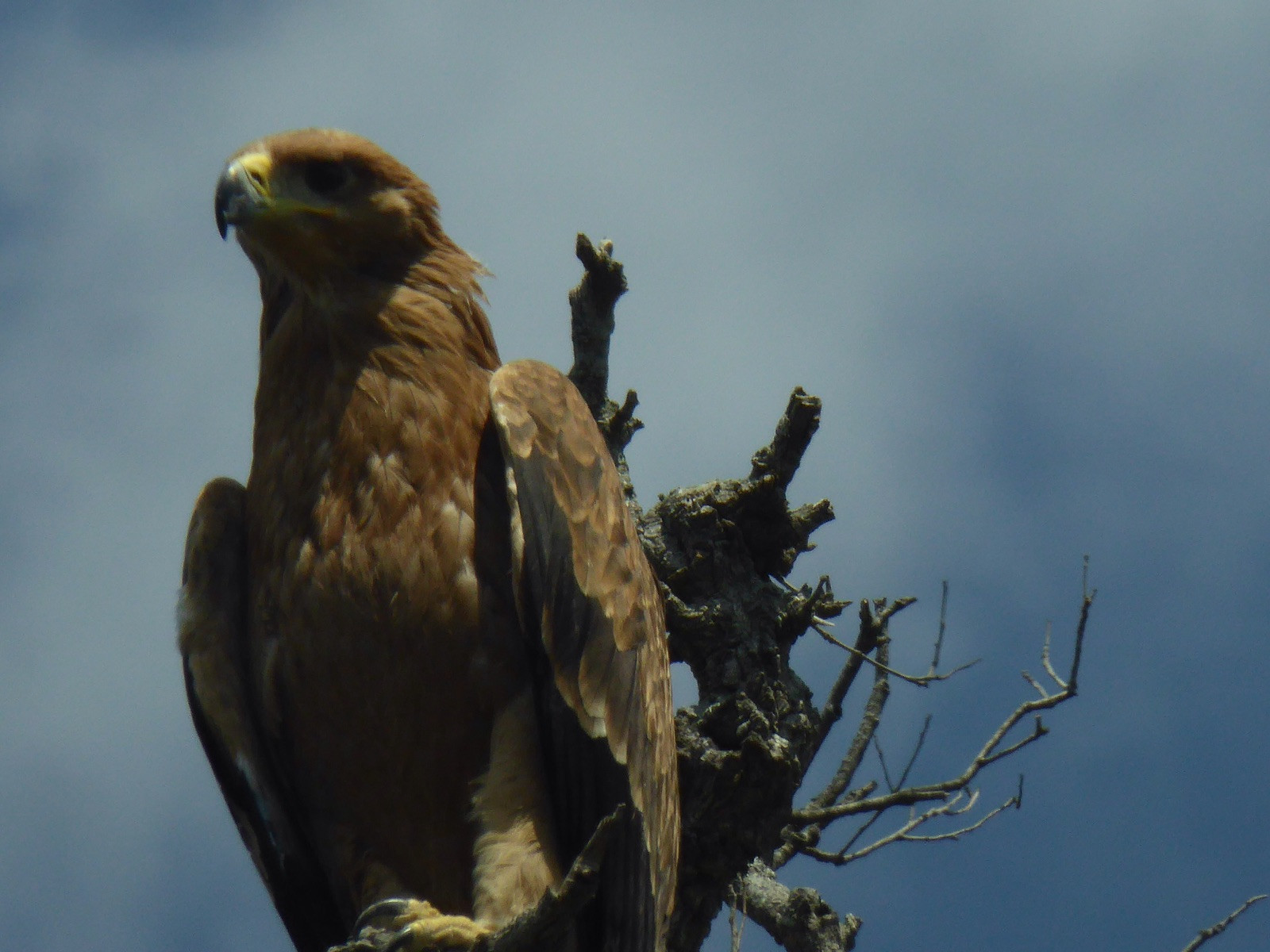
The huge Cabañeros national park lies in the heart of Spain. The area is very sparsely populated and is one of the few areas in Western Europe that is truly wild. With the wildlife to match it! The park hosts the world's second largest colony of Vautour moine (~300 pairs), a few pairs of of Aigle ibérique, Outarde barbue and many more endangered species! It is one of the few places in the world where nearly all the typical species of the Mediterranean ecosystem still occur. Amongst the mammals, the red deer is very numerous (especially on the Raña). All in all, plenty of reason to visit!
This route consists of 2 main areas: the scrubby and wooded heart of the National Park and the Raña savannah just outside the parks borders. On the route through the heart of the park, you can expect to see the typical species of the Spanish heartland "Monte". Vautour moine breeds, so does Aigle ibérique, Circaète Jean-le-Blanc, Perdrix rouge, Huppe fasciée, Fauvette orphée, Loriot d'Europe and many more species. This area does not have viewpoints, but it is very possible to pull up along the road and scan the area. Check the skies especially carefully for raptors (all characteristic species may be seen).
The second part takes you over the Raña, starting from Santa Quiteria in the direction of Casa Palillos (the second visitor centre). Again you can stop along the road to scan the steppes, but there is also an observatory (Observatorio de Cigüeñas) from which you can see Cigogne blanche, red deer and steppe birds. At the visitor's centre there is also an observation platform and -tower. The main species here are: Outarde barbue, Outarde canepetière, Oedicnème criard, Cigogne blanche, Pie ibérique as well as several raptors; Vautour fauve come down from the mountains to feed, sometimes joined by Vautour moine or Vautour percnoptère. Aigle ibérique, Aigle royal, Circaète Jean-le-Blanc, Aigle botté and several harriers may be seen as well. In winter and autumn, Grue cendrée is very numerous and may be seen feeding on the acorns underneath the holm oaks.
The first half of the route is about 30 km long and starts in Retuerta del Bullaque and ends at the Visitor's centre in Horcajo de Los Montes. Follow the road south, straight through the heart of the National Park. Stop anywhere you like and can to look for birds of prey.
The second part is about 8 km long and takes you over the Raña, starting from Santa Quiteria in the direction of Casa Palillos (the second visitor centre). Again you can stop along the road to scan the steppes, but there is also an observatory (Observatorio de Cigüeñas) from which you can see white storks, red deer and steppe birds. At the visitor's centre there is also an observation platform and -tower where you can again look for steppe birds, big game and raptors.
Note that this is an area of extremes: summers are very hot and winters very cold. Dress accordingly!
 ) Insérez les noms d'oiseau dans votre langue. Ils seront automatiquement traduits pour les autres usagers !
Votre feedback sera transmis à l’auteur.rice de cette zone et à l’équipe éditoriale de Birdingplaces, qui l’utiliseront pour améliorer la qualité des informations. (Vous souhaitez publier un commentaire visible en bas de page ? Fermez cette fenêtre et choisissez l’Option 1 : « Publier un commentaire, un conseil ou une observation ».)
Veuillez fournir des suggestions d'améliorations ou d'ajouts au texte de ce site ornithologique.
Veuillez fournir vos suggestions d'améliorations ou d'ajouts à la carte.
Veuillez fournir des suggestions d'améliorations ou d'ajouts à la liste des oiseaux.
Cliquez sur l'icône de l'oiseau () Insérez les noms d'oiseau dans votre langue. Ils seront automatiquement traduits pour les autres usagers !