


Charger images
Les formats d'image autorisés sont de type jpeg, png ou gif
La taille maximale du fichier doit être de 20MB
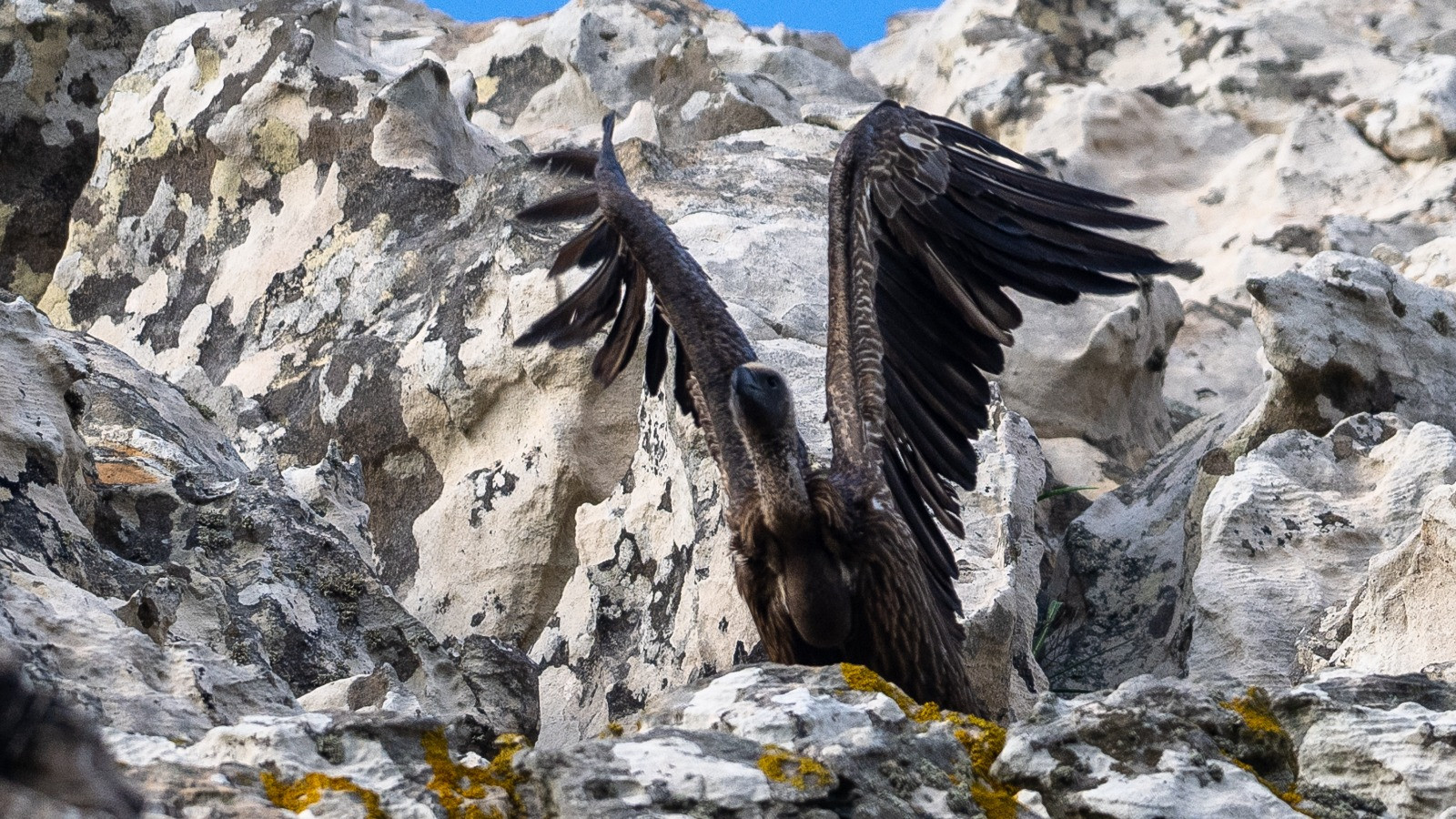
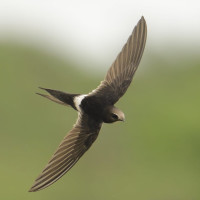
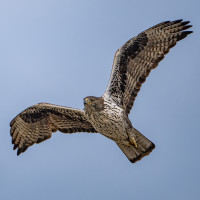
Bolonia offers a good variety of birding but is best known as a raptor watching location and for the presence of rare swifts and Agrobate roux.
Puerto de Bolonia, the name given to point where the road to El Lentiscal (aka Playa de Bolonia) crosses a ridge running between the Sierra de la Plata and the craggy mass of Sierra San Bartolo. In easterly winds it's a superb place to watch migrating raptors and storks: Cigogne blanche – Spring Feb-April (peaks early March): Autumn July – Sept (peak late August) Cigogne noire – Spring Feb-April (peak late March): Autumn Sept-Oct (p eak late Sept) Bondrée apivore : Spring Late April – May (peak Early May); Autumn August-Sept (peak Early Sept) Milan noir : Spring Feb - April (peak March); Autumn July – Sept (peak early August) Vautour percnoptère : Spring Feb – May (peak late March); Autumn Aug – Sept (peak early Sept) Vautour fauve : Spring Feb – June (peak early May); Autumn – Sept – Oct (peak early Nov) Circaète Jean-le-Blanc : Spring Feb – May (peak early March); Autumn – Sept – Oct (peak late Sept) Aigle botté : Spring March – May (peak late March); Autumn – Sept – Oct (peak late Sept) Busard cendré : Spring April- May (peak early April); Autumn – Aug – Sept (peak late August). The ridge is a good place for passing swifts with Martinet à ventre blanc Martinet noir and Martinet pâle all being regular with a chance of two rarer species (but see below). The ridge (and elsewhere) is also good for passing migrants (e.g. Traquet motteux , Pipit rousseline, Guêpier d'Europe , etc).
The scrub on these hillsides here and across to nearby Facinas are good places to check for the elusive Agrobate roux - an increasingly scarce and declining bird even in this area. (For this reason caution should be used when looking for this species and under no circumstances should playback be used).
Dropping down to the coast you reach the popular resort of Playa de Bolonia. Out of season the small outflow of the stream here can attract waders (including Gravelot à collier interrompu ) and gulls (including Goéland d'Audouin ). Watching the sea gives you a good chance of more gulls, terns (esp. Sterne caugek ) and Puffin cendré although a 'scope is needed. In spring tired raptors often arrive low over the beach. Culture vultures will not want to miss the nearby Roman ruins (Baelo Claudia) but philistine birders will also be peased to find Traquet oreillard , Chevêche d'Athéna , Fauvette mélanocéphale , etc in the ruins.
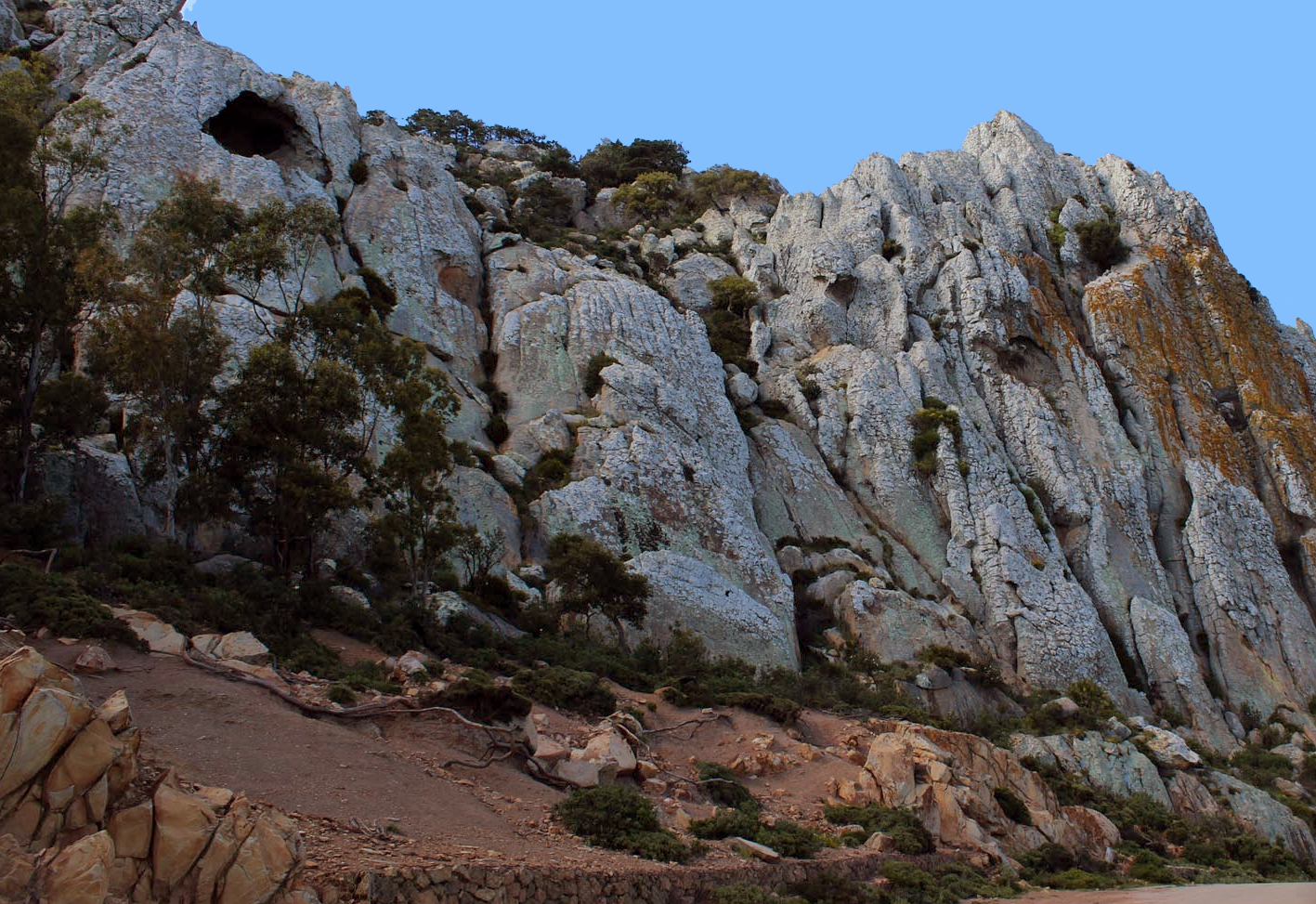
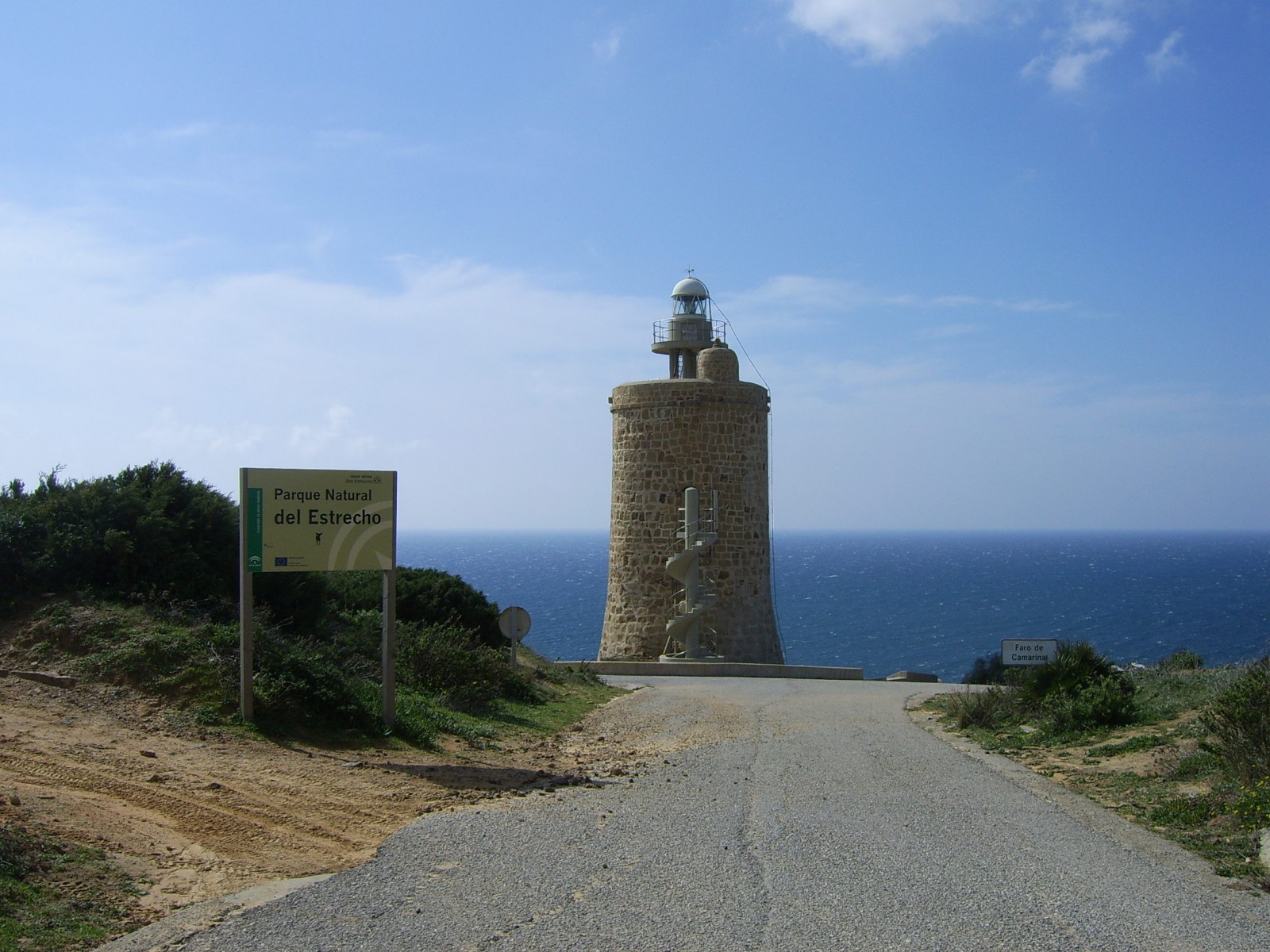
To the north-west of the ruins the road runs up to the rocky ridge of the Sierra de la Plata. However, before you reach the most popular destination in the sierra, the Cueva del Moro (Cave of the Moor), two excellent diversions present themselves. The first is to explore a track on your right (look for a sign to the Quesería de el Cabrero Bolonia) that runs to Laja de la Zarga (4 km) where there's a hide looking across to a massive rock wall that hosts a large Vautour fauve colony and where Vautour percnoptère and Aigle de Bonelli are possible. The second is a 1.5 km walk along a track down to Faro de Camarinal (on your left) where the seawatching tends to be better than from the beach. Continuing up the main track (potholed in parts) you reach an obvious parking area below the Cueva del Moro (Cave of the Moor). This site is well known for both Martinet des maisons and Martinet cafre but in recent years both have been elusive here. However, with luck it is still possible to see 5 species of swift in the area (late April/early May - Sept), one of the only places in Europe where this may be possible. Fortunately, while you wait for the star attraction you can watch Vautour fauve , Monticole bleu and Hirondelle de rochers all of which breed nearby and, as always, keep an eye open for raptors.
Bolonia/El Lentiscal is well signposted off the N 340 north of Tarifa. Note that there are signs on the way up to the Cueva del Moro warning that it's a military road but the existence of official noticeboards here indicate that access is not banned. Parking at Laja de la Zarga is limited and the track up to the hide unsuitable for vehicles (unless a 4X4).
The area is best avoided at weekends in summer when it can get very busy. Note that Atlanterra on the other side of the Sierra de la Plata cannot be reached from Bolonia. The Faro de Camarinal can also be reached via Atlanterra (Zahara de los Atunes) which is also a good site for both the rare swifts. Outarde canepetière are still sometimes reported from the area between the N 340 ad Zahara.
There are numerous places to eat in El Lentiscal (although most if not all will be closed out of season)
 ) Insérez les noms d'oiseau dans votre langue. Ils seront automatiquement traduits pour les autres usagers !
Votre feedback sera transmis à l’auteur.rice de cette zone et à l’équipe éditoriale de Birdingplaces, qui l’utiliseront pour améliorer la qualité des informations. (Vous souhaitez publier un commentaire visible en bas de page ? Fermez cette fenêtre et choisissez l’Option 1 : « Publier un commentaire, un conseil ou une observation ».)
Veuillez fournir des suggestions d'améliorations ou d'ajouts au texte de ce site ornithologique.
Veuillez fournir vos suggestions d'améliorations ou d'ajouts à la carte.
Veuillez fournir des suggestions d'améliorations ou d'ajouts à la liste des oiseaux.
Cliquez sur l'icône de l'oiseau () Insérez les noms d'oiseau dans votre langue. Ils seront automatiquement traduits pour les autres usagers !