



Charger images
Les formats d'image autorisés sont de type jpeg, png ou gif
La taille maximale du fichier doit être de 20MB
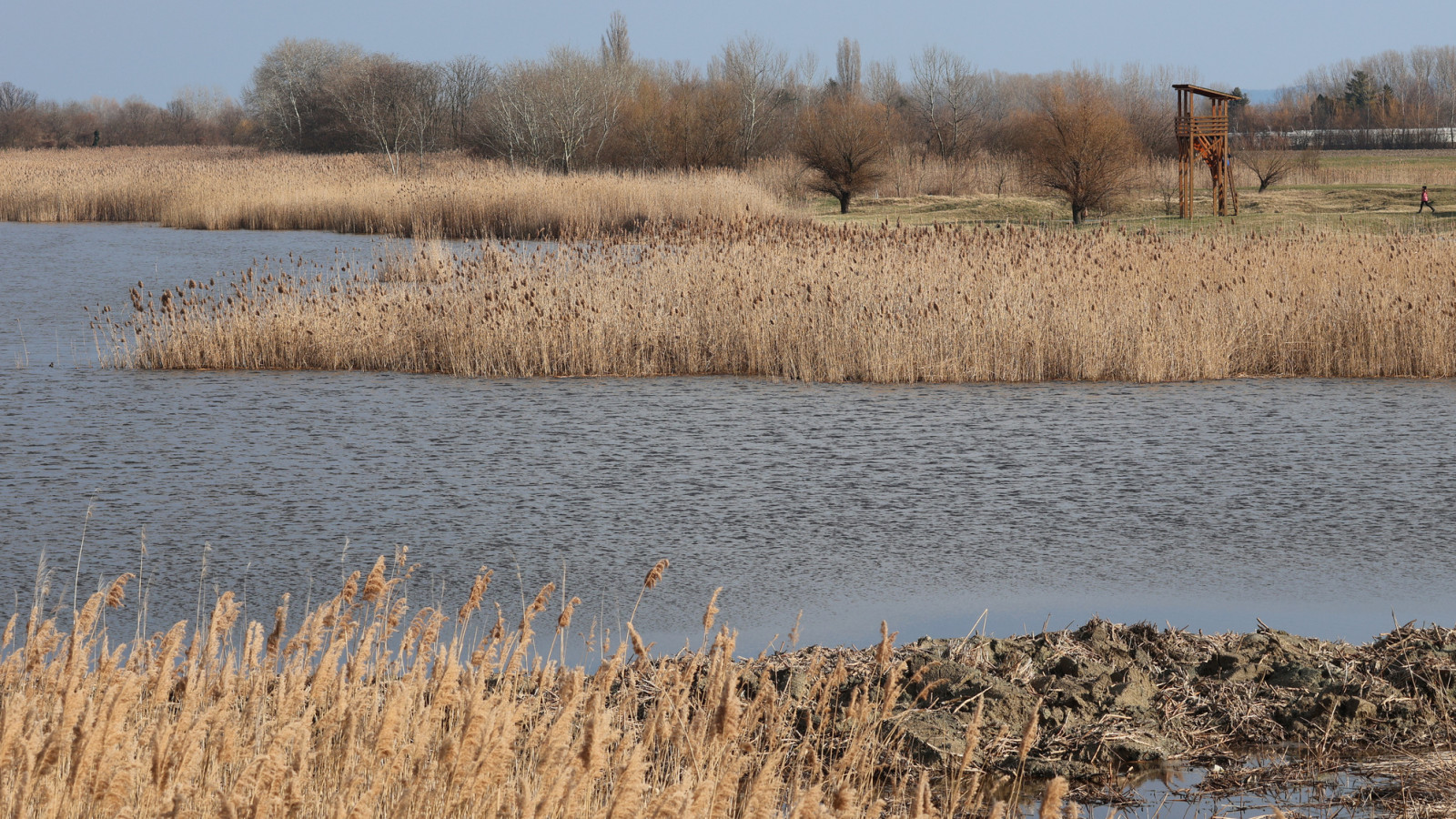
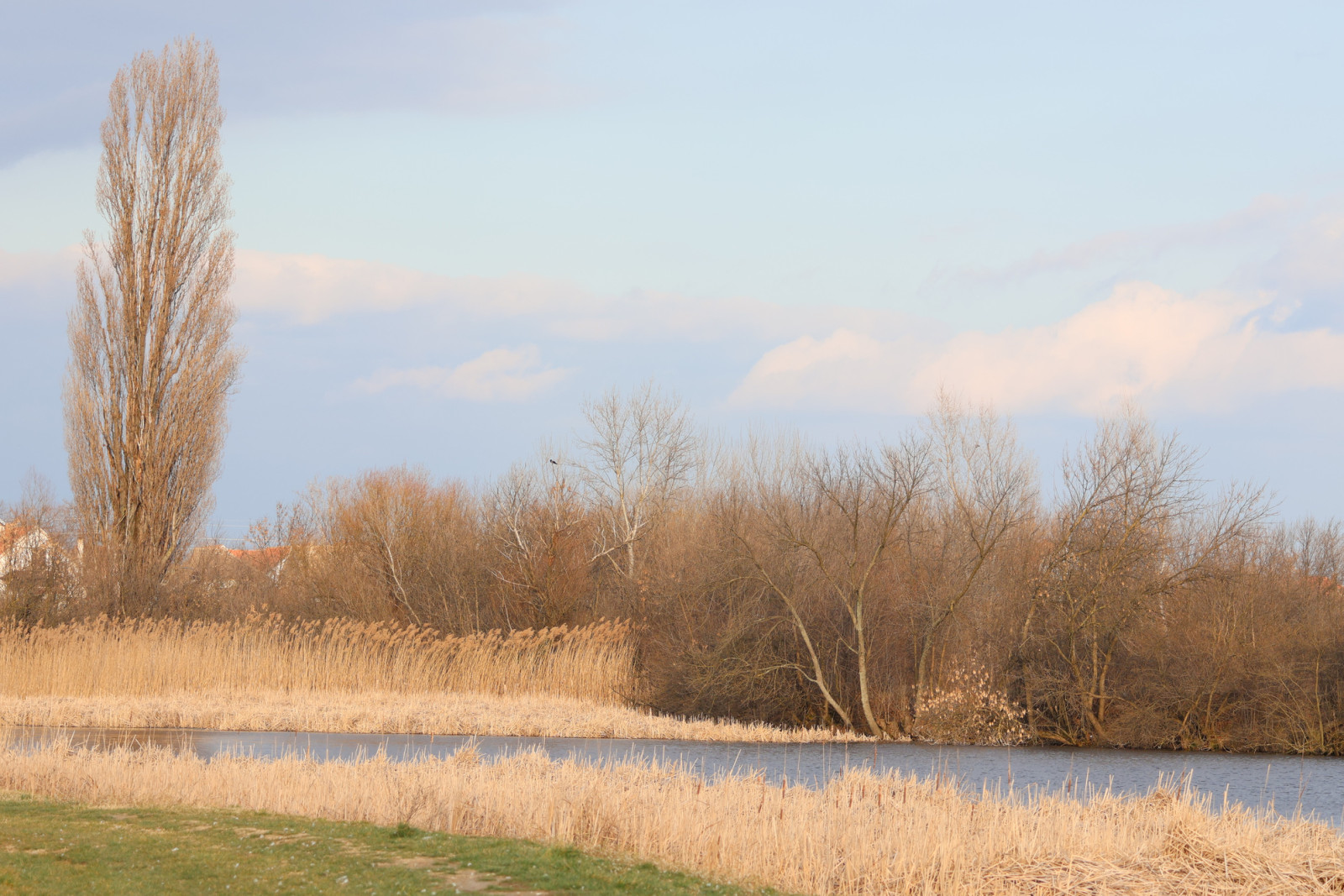
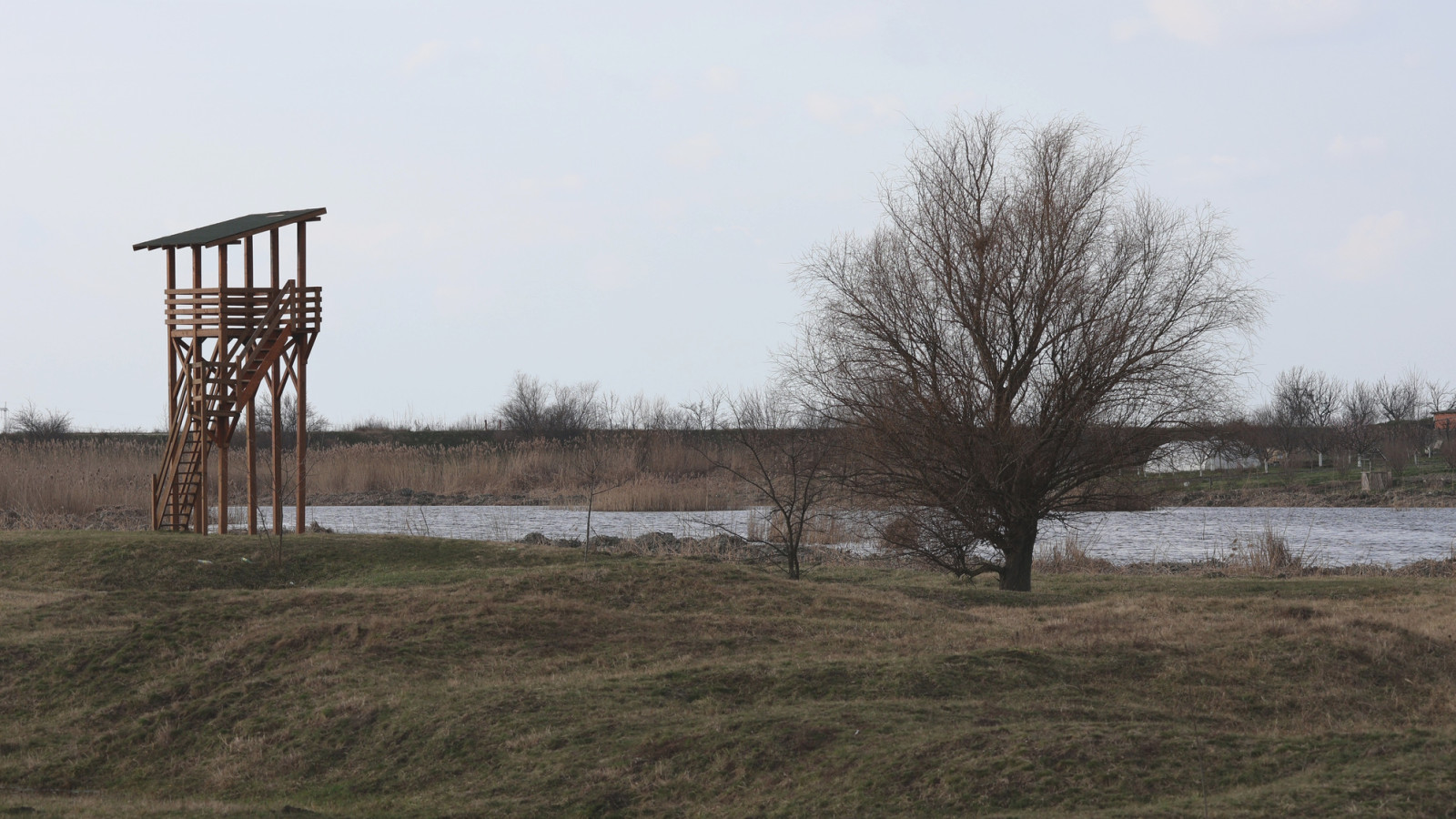
While Ponjavica Nature Park spans 9 km from Omoljica to Banatski Brestovac, this birding place covers the part around Omoljica.
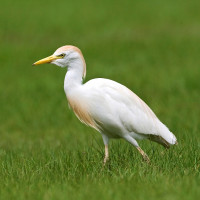
Ponjavica Nature Park has two interesting and easily accessible spots near Omoljica village. One spot is a heronry in Omoljica, the western section on the map below. There is an observation station covering the wide area with a nice look at the Ponjavica river. Here you can find Fuligule nyroca, Canard souchet, Sarcelle d'hiver, Grèbe huppé as well as many heron species including the localy rare Héron garde-boeufs.
The other spot is somewhat less than 2 km to the southeast with a nice walking path with benches looking at the river, where common are Cygne tuberculé, Grand Cormoran, and Foulque macroule. If you are lucky Cigogne blanche or Cigogne noire may fly over the benches.
The two sections of the Ponjavica Nature park near Omoljica described above are both convenient for access and to start the route. Both are marked with P sign on the map below. Although there is a connecting path between these two sections, it is not always passable due to high waters or heavy mud.
“The most significant modern ornithological value of the Ponjavica area is the mixed heron colony in Ponjavica, which was first discovered on June 5, 2008 (Simić and Tucakov, 2008). It is located in the bushes on an island in the western part of the Ponjavica stream, unoccupied on the edge of the Omoljica settlement. The value of this colony is that the protection of the islet on which it is located and the protection of the feeding place can ensure that other strictly protected species of colonial herons start nesting in this area. There is also potential for nesting of other colonial wader species as this is an initial colony.
An otter (Lutra lutra) was recorded near the beach near Banatski Brestovac. The finding of an otter in Ponjavica, despite the overgrowth and pollution of this watercourse, speaks of its value and potential. As a species at the top of the trophic pyramid that also hunts small predators, the otter is sensitive to water pollution and eutrophication, which often cause the suffering of fish fry and fish mortality. It is a strictly protected species in Serbia. It is also protected by the Bern Convention and the Habitats Directive.”
Source: Institute for Nature Conservation of Vojvodina Province
 ) Insérez les noms d'oiseau dans votre langue. Ils seront automatiquement traduits pour les autres usagers !
Votre feedback sera transmis à l’auteur.rice de cette zone et à l’équipe éditoriale de Birdingplaces, qui l’utiliseront pour améliorer la qualité des informations. (Vous souhaitez publier un commentaire visible en bas de page ? Fermez cette fenêtre et choisissez l’Option 1 : « Publier un commentaire, un conseil ou une observation ».)
Veuillez fournir des suggestions d'améliorations ou d'ajouts au texte de ce site ornithologique.
Veuillez fournir vos suggestions d'améliorations ou d'ajouts à la carte.
Veuillez fournir des suggestions d'améliorations ou d'ajouts à la liste des oiseaux.
Cliquez sur l'icône de l'oiseau () Insérez les noms d'oiseau dans votre langue. Ils seront automatiquement traduits pour les autres usagers !