
 Martijn Verdoes_MV_4129.jpg)
Charger images
Les formats d'image autorisés sont de type jpeg, png ou gif
La taille maximale du fichier doit être de 20MB
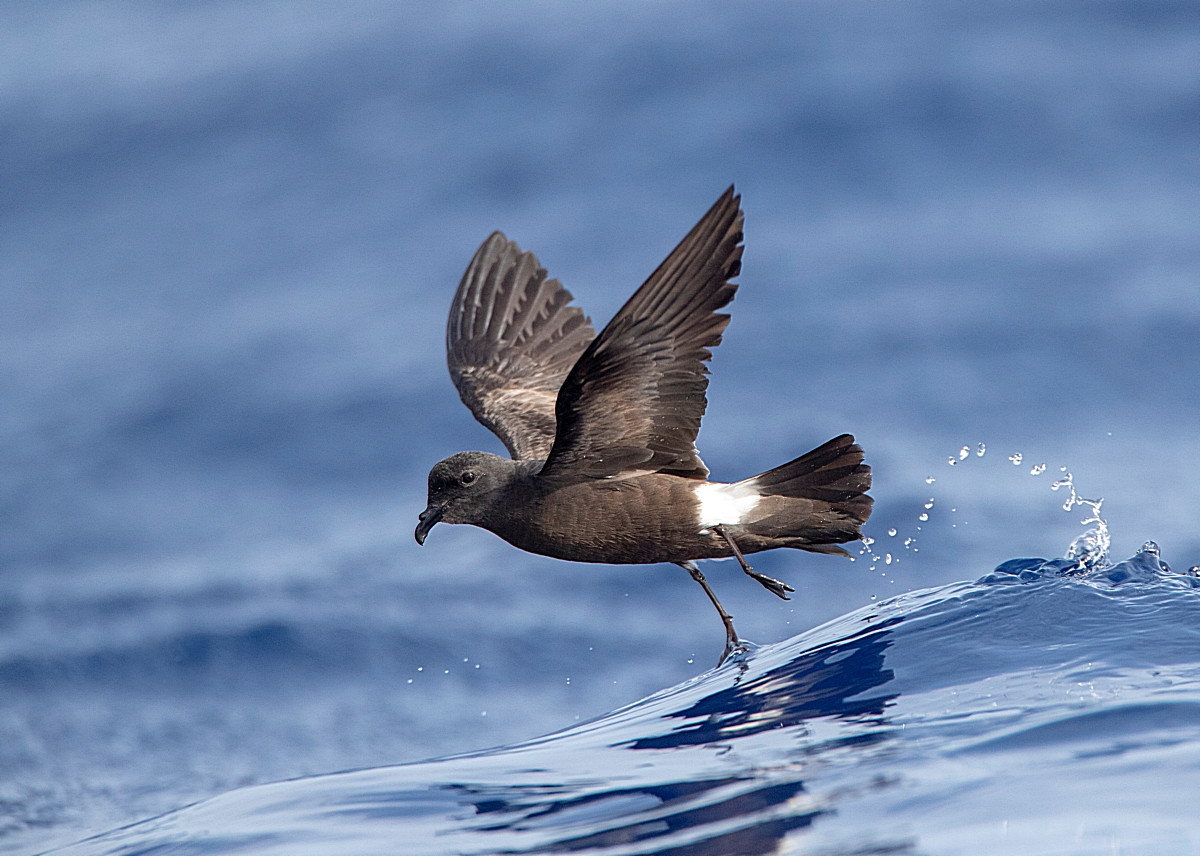
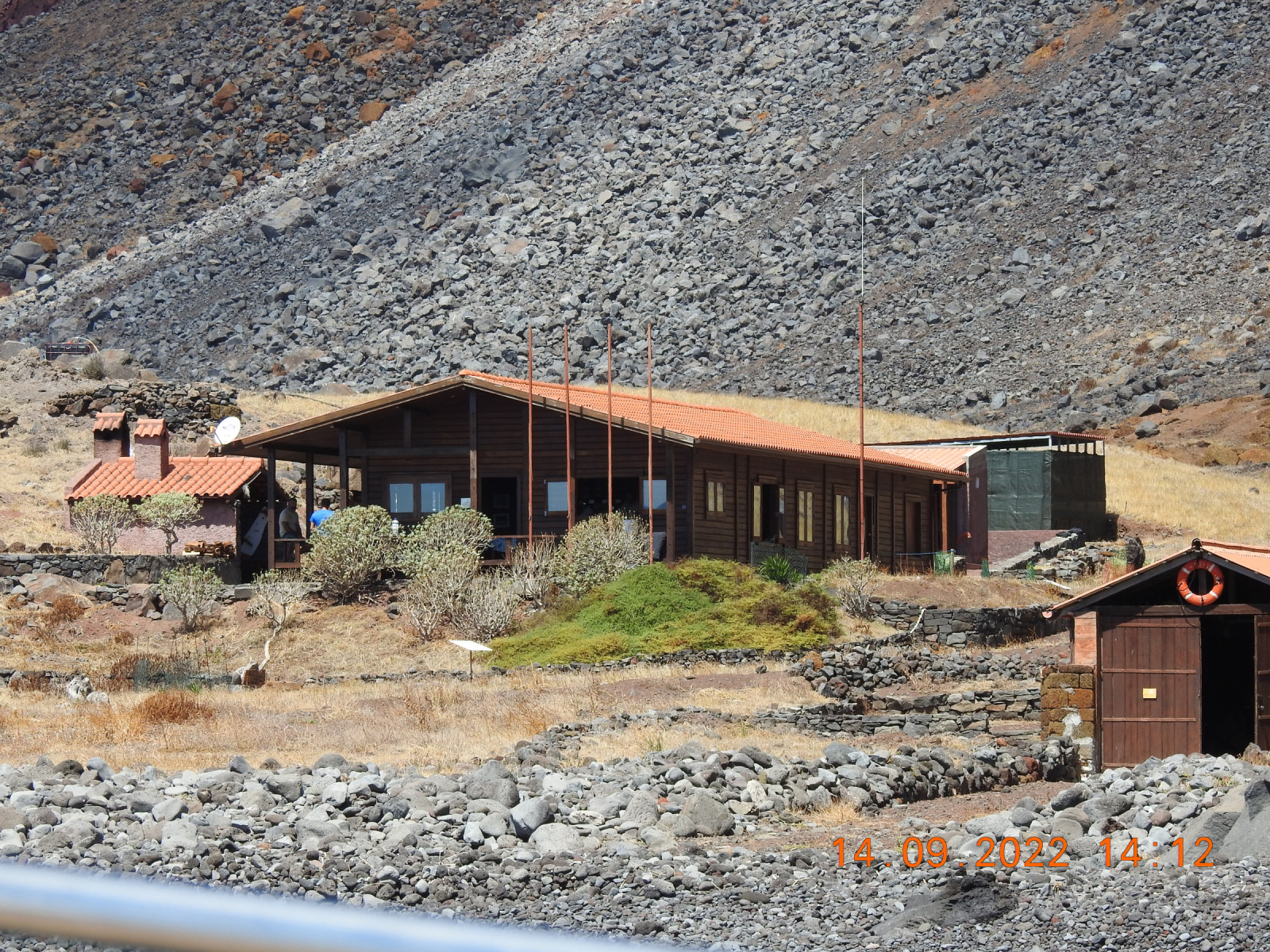
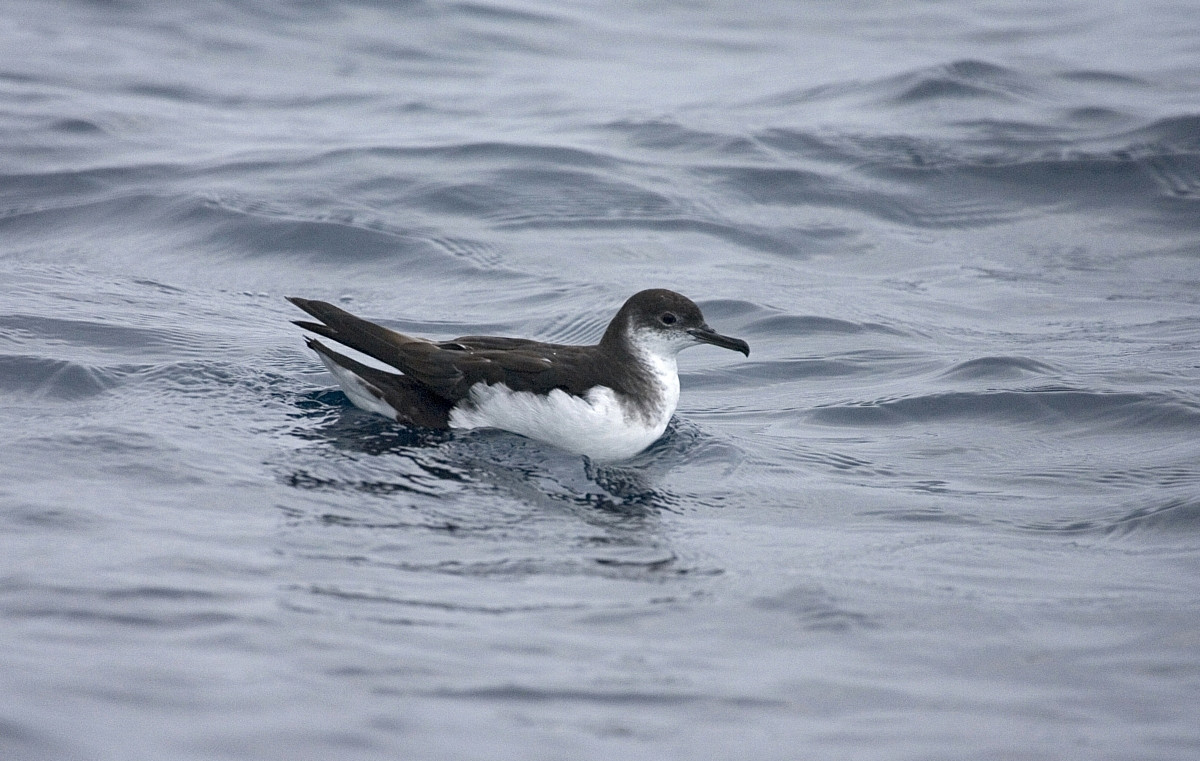
Three islands 25 kilometers southeast of Madeira known for their rugged, uninhabited landscapes, seals and seabirds.
The Ilhas Desertas islands are located about 25 kilometers southeast of Madeira and are known for their rugged, uninhabited landscapes. The archipelago consists of three islands: Ilhéu Chão, Deserta Grande, and Bugio. The islands are a designated nature reserve, home to a variety of seabirds and the endangered Mediterranean monk seal. And there is a research center for the rare Deserta Grande wolf spider. The islands offer great opportunities for birdwatching. Access to the islands is restricted, and a special permit is required to visit, so you need to book a guided tour.
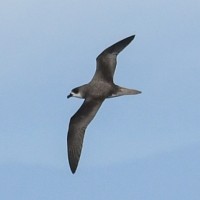
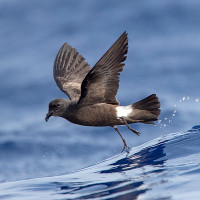
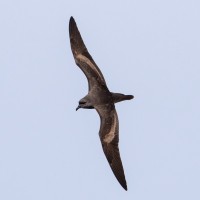
It's an important place for five seabird species who breed in Madeira. It's the only European breeding area of Pétrel gongon, who breeds mainly at the south plateau of Bugio. Here we can also find important colonies of Pétrel de Bulwer, Puffin cendré and Océanite de Castro. Another seabird, that can be spotted is Puffin de Macaronésie. In all three islands also breed Sterne pierregarin and Goéland leucophée, and some other Macaronesian endemic birds like Martinet unicolore, Pipit de Berthelot and Serin des Canaries.
Since the Ilhas Desertas are a protected nature reserve, you need to book a guided tour. Several companies offer day trips from Madeira (see the links below). Most tours depart from the harbor in Funchal, Madeira. The journey to the islands typically takes about 2.5 hours by catamaran. During the trip, you might spot dolphins and whales and of course seabirds. Once you arrive, a guide will take you on a tour of Deserta Grande, the largest island.
 ) Insérez les noms d'oiseau dans votre langue. Ils seront automatiquement traduits pour les autres usagers !
Votre feedback sera transmis à l’auteur.rice de cette zone et à l’équipe éditoriale de Birdingplaces, qui l’utiliseront pour améliorer la qualité des informations. (Vous souhaitez publier un commentaire visible en bas de page ? Fermez cette fenêtre et choisissez l’Option 1 : « Publier un commentaire, un conseil ou une observation ».)
Veuillez fournir des suggestions d'améliorations ou d'ajouts au texte de ce site ornithologique.
Veuillez fournir vos suggestions d'améliorations ou d'ajouts à la carte.
Veuillez fournir des suggestions d'améliorations ou d'ajouts à la liste des oiseaux.
Cliquez sur l'icône de l'oiseau () Insérez les noms d'oiseau dans votre langue. Ils seront automatiquement traduits pour les autres usagers !