 by Artemy Voikhansky, CC BY-SA 4.0 httpscreativecommons.orglicensesby-sa4.0, via Wikimedia Commons.jpg)

Charger images
Les formats d'image autorisés sont de type jpeg, png ou gif
La taille maximale du fichier doit être de 20MB
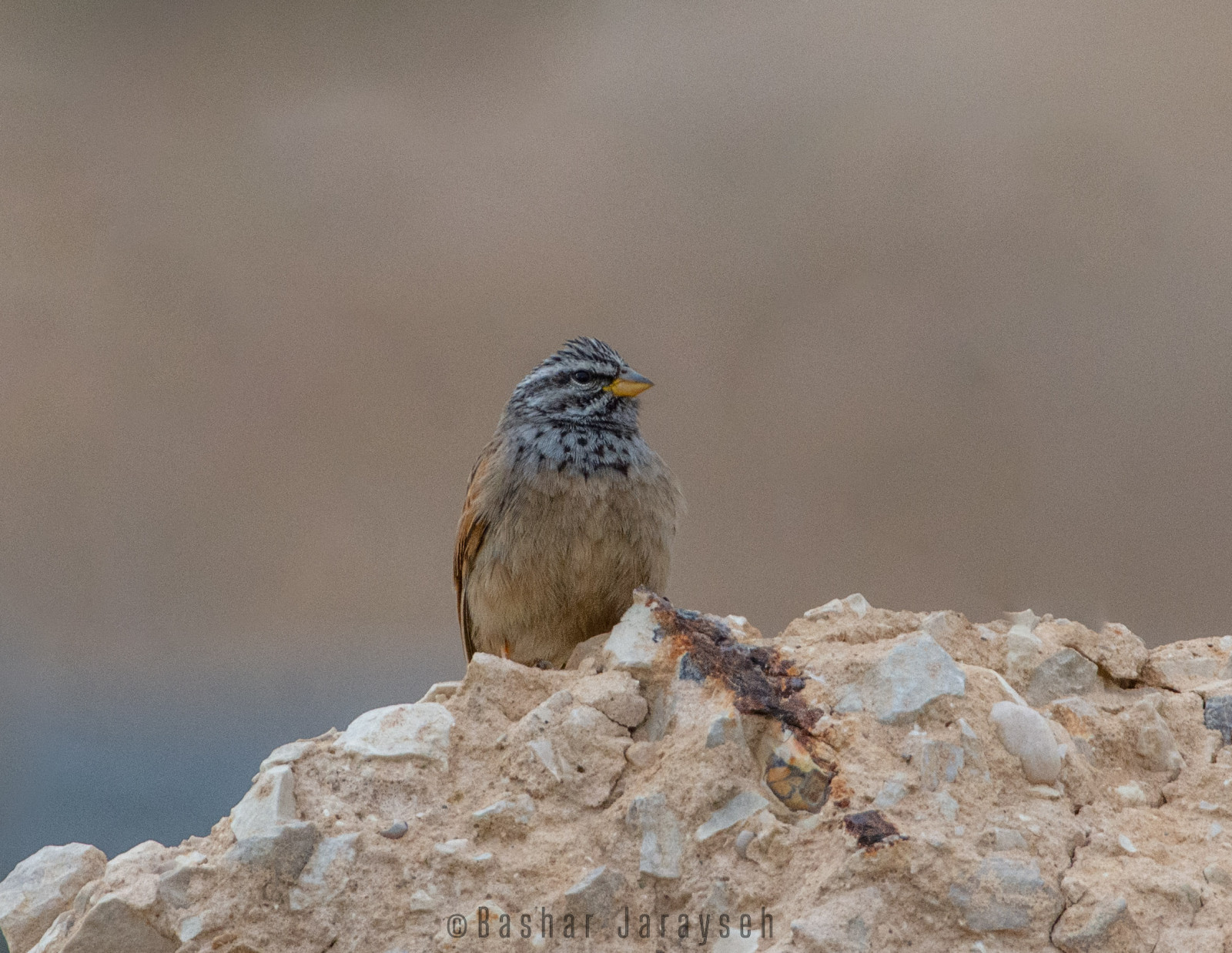
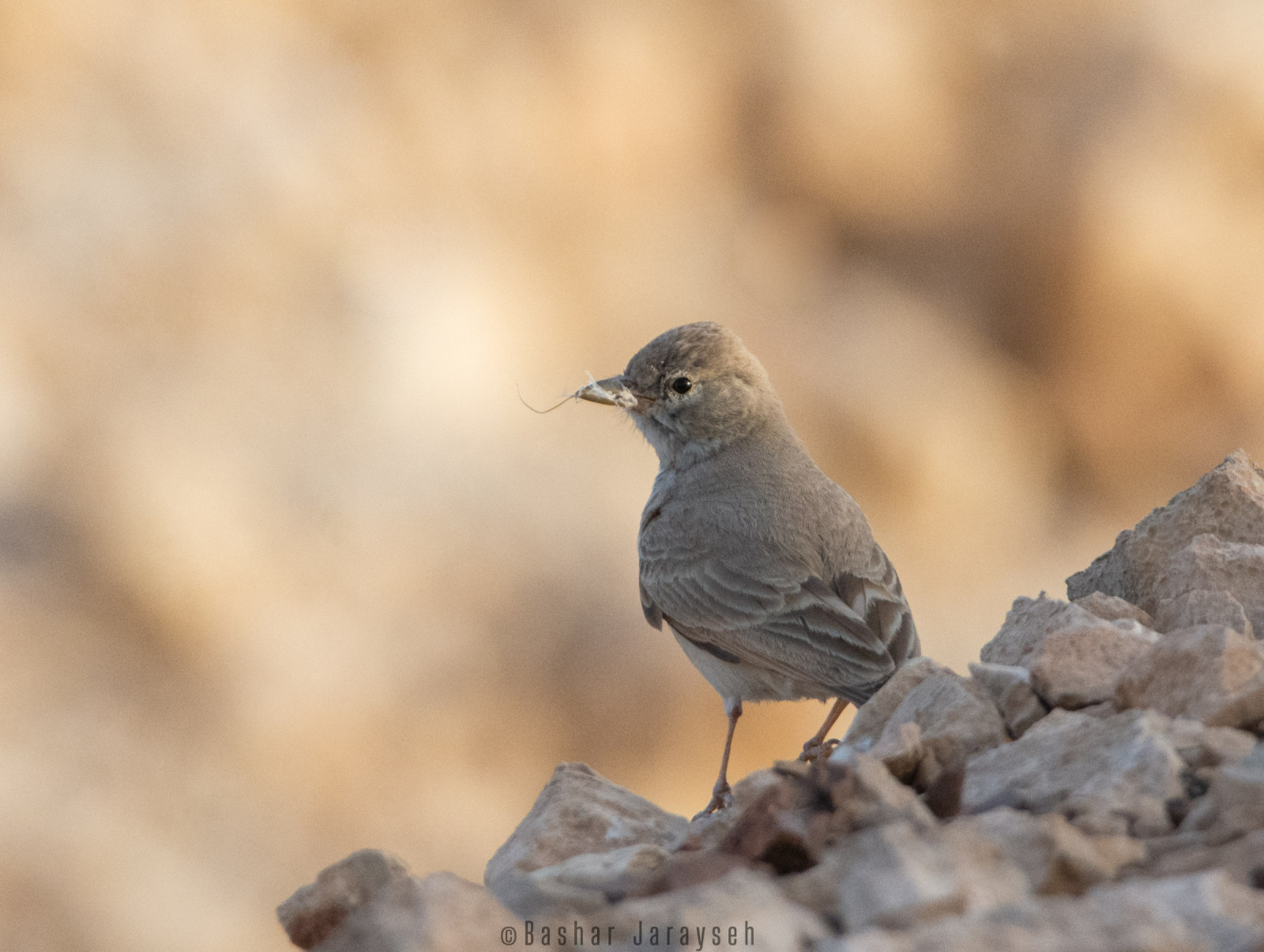
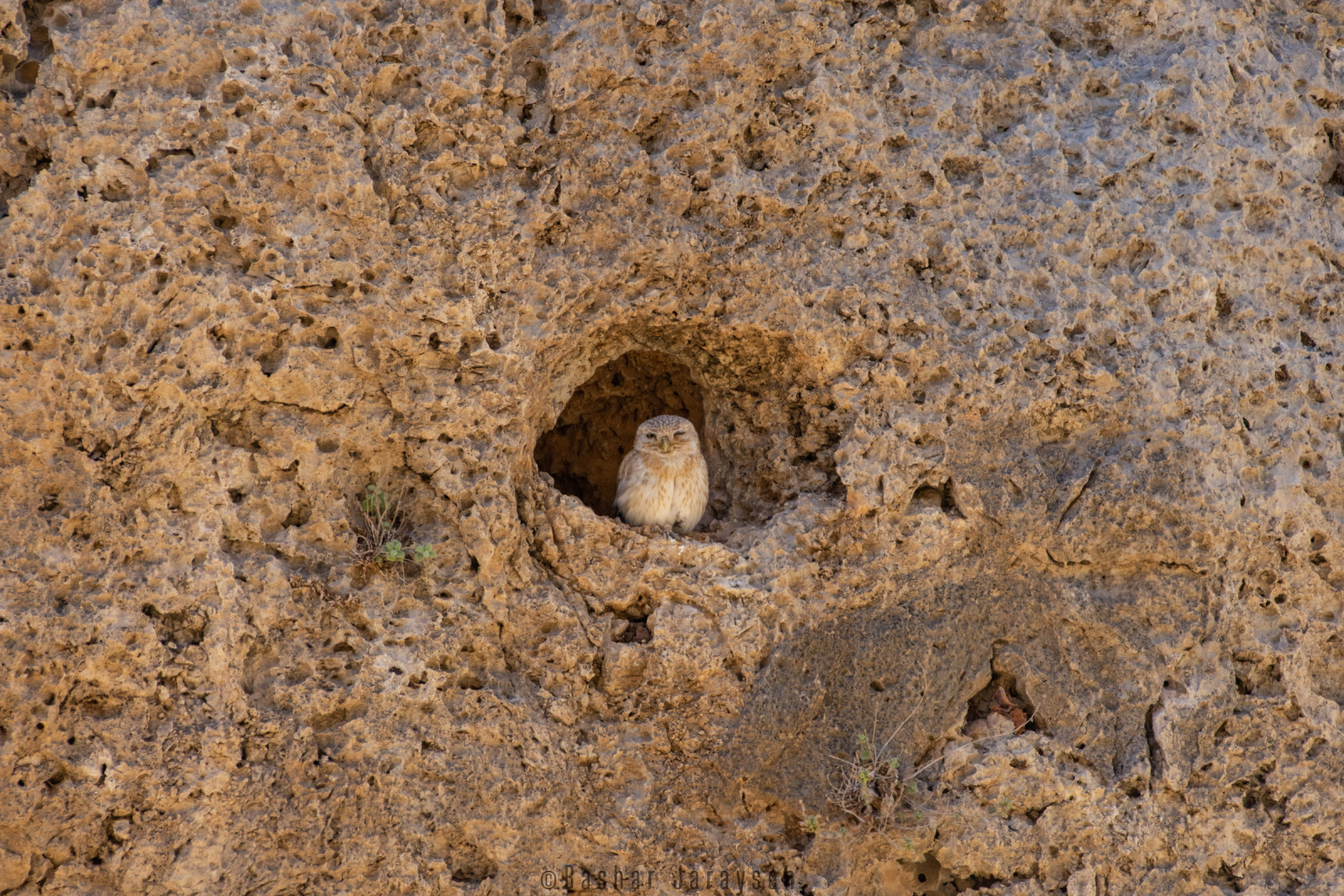
Wadi Fasayil Nature Reserve is a desert wadi in the central Jordan Valley, notable for its perennial springs and archaeological remains.
Wadi Fasayil is characterized by a combination of rocky desert slopes, cliffs, open wadis, and localized vegetation around springs and water channels. The presence of permanent water sources creates productive habitats within an otherwise arid landscape, attracting both resident desert species and migratory birds.
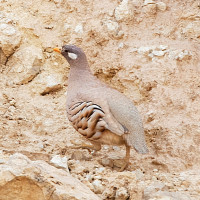
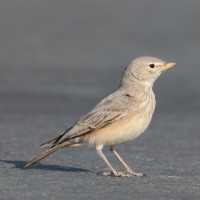
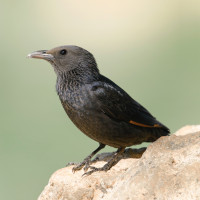
The site supports a typical desert birds, including Desert Lark, Blackstart, Tristram's Starling, Bruant striolé, and Perdrix de Hey. Other notable species include Long-billed Pipit, Monticole bleu, and Martinet des maisons.
During spring and autumn migration, bird activity increases significantly. Species such as Pouillot véloce, Bergeronnette grise, Hypolaïs pâle, and various wheatears use the area as a stopover, while soaring birds including Milan noir and Steppe Buzzard are regularly observed. The site also offers good chances of seeing Aigle royal and Aigle de Bonelli.
Wadi Fasayil Nature Reserve is located in the central Jordan Valley, northeast of Jericho, near the village of Fasayil and below the eastern slopes of the central highlands. The reserve can be accessed by car via Road 90. Informal parking is available near access points along the wadi. There is no direct public transport into the reserve.
The area is best explored on foot. Visitors can walk along the wadi and around springs and vegetated areas, or follow longer routes through the valley. Terrain is generally moderate, with rocky sections and exposed areas.
There is a hiking trail of approximately 7 km that starts from the eastern slopes north of Duma and descends toward Wadi Fasayil. This is a linear route, passing springs, open slopes, and desert habitats before reaching the wadi near Fasayil. Transport should be arranged at both ends.
Allow 2–3 hours for a short visit focused on birding near water sources, or longer for hiking the full trail.
The best time to visit is during spring and autumn migration, when bird diversity is highest. Summer conditions are extremely hot, and visits should be limited to early morning.
The wadi includes historical features such as ancient water systems, springs, and caves, adding cultural interest to the site. Visitors should remain on accessible paths, carry sufficient water, and avoid hiking during extreme heat or after heavy rain due to flash flood risk.
 ) Insérez les noms d'oiseau dans votre langue. Ils seront automatiquement traduits pour les autres usagers !
Votre feedback sera transmis à l’auteur.rice de cette zone et à l’équipe éditoriale de Birdingplaces, qui l’utiliseront pour améliorer la qualité des informations. (Vous souhaitez publier un commentaire visible en bas de page ? Fermez cette fenêtre et choisissez l’Option 1 : « Publier un commentaire, un conseil ou une observation ».)
Veuillez fournir des suggestions d'améliorations ou d'ajouts au texte de ce site ornithologique.
Veuillez fournir vos suggestions d'améliorations ou d'ajouts à la carte.
Veuillez fournir des suggestions d'améliorations ou d'ajouts à la liste des oiseaux.
Cliquez sur l'icône de l'oiseau () Insérez les noms d'oiseau dans votre langue. Ils seront automatiquement traduits pour les autres usagers !