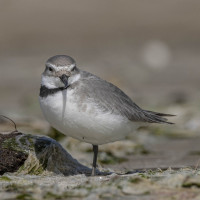
 Dotterel - Charadrius obscurus.jpg)


Charger images
Les formats d'image autorisés sont de type jpeg, png ou gif
La taille maximale du fichier doit être de 20MB
.jpg)
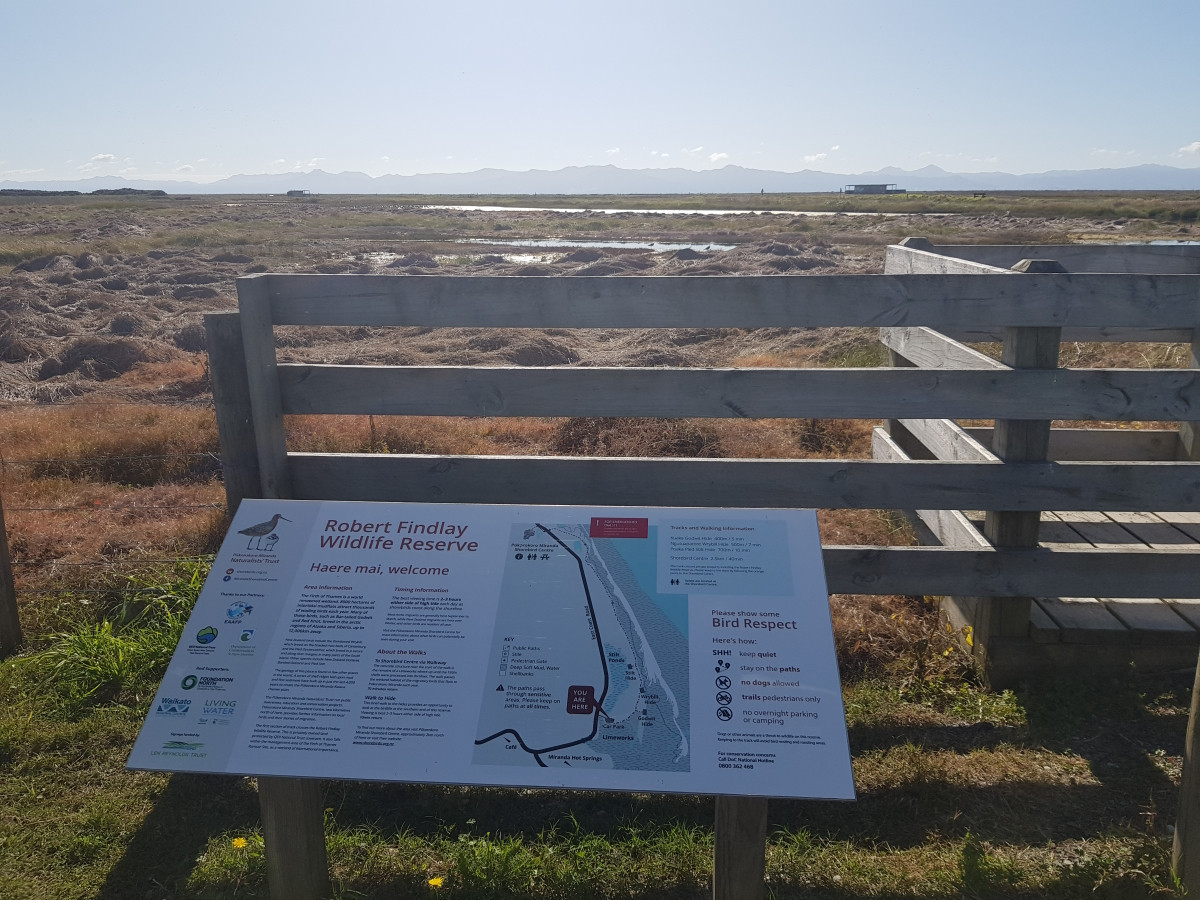
Commonly known as Miranda, with its Shorebird Centre, the Robert Findlay Wildlife Reserve is among the best places for common & rare shorebirds in New Zealand.
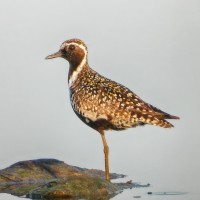
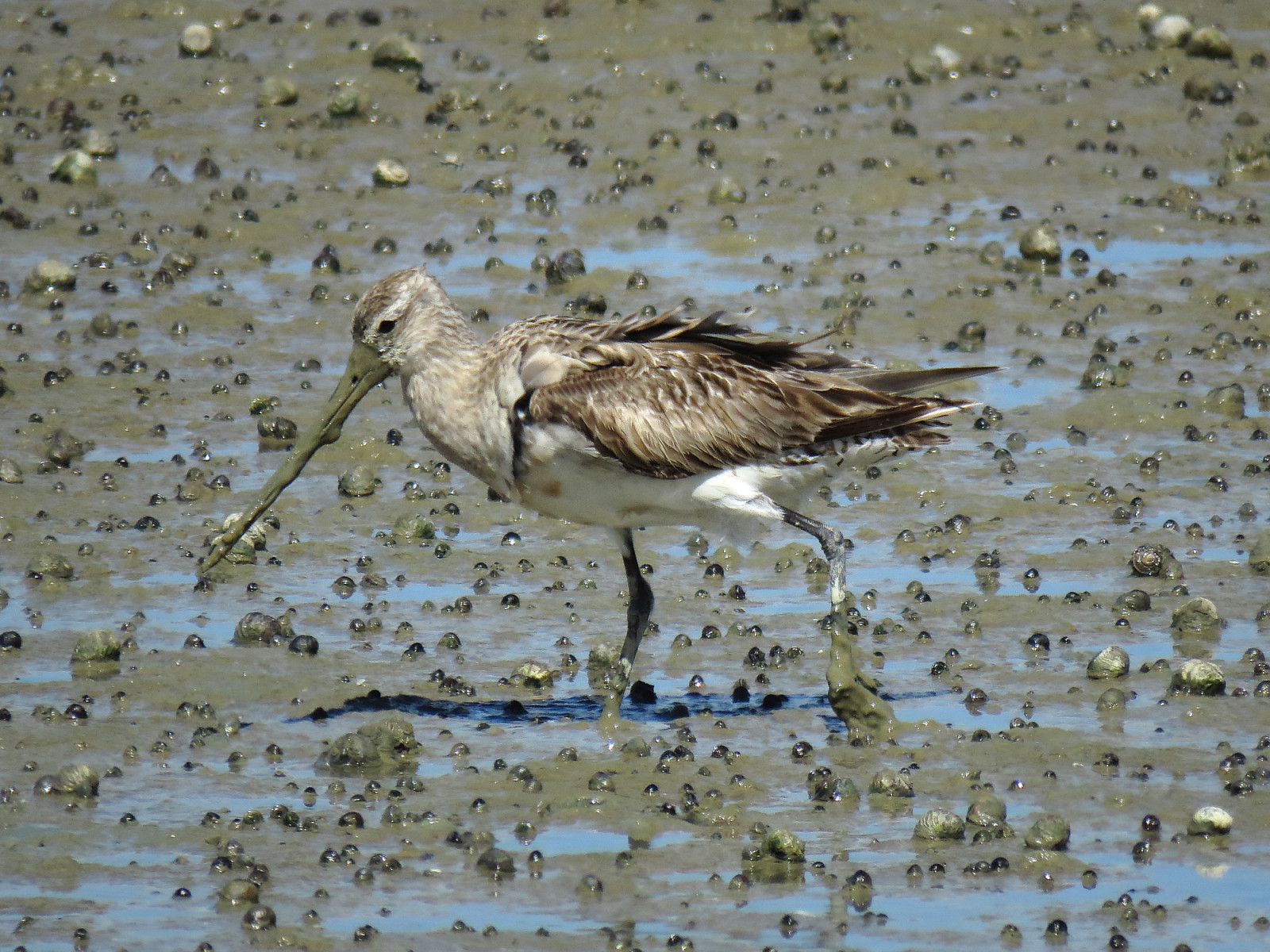
The area consists of ponds, wetland, and mudflats. Along the mudflats two hides provide you shelter from the elements, while you can observe thousands of shorebirds within two hours on either side of the high tide. This is a perfect place to spot endemics such as Wrybill, Variable Oystercatcher, and South Island Oystercatcher among the common Royal Spoonbill, Bar-tailed Godwit, Red Knot, and Pied Stilt. Moreover, the place is known to always have less common and rare birds present such as Ruddy Turnstone, Pacific Golden Plover, Eastern Curlew, or Red-necked Stint.
On the main pond, sometimes called the stilt pond, you can find more Pied Stilt among the Black Swan, Grey Teal, New Zealand Dabchick and other waterfowl. Australasian Bittern are often spotted in the wetland between the ponds and the Shorebird Centre.
The Pūkorokoro Miranda Shorebird Centre is close by, where you can learn more about the history of shorebird research and conservation in New Zealand. On some weekends they have volunteers at the hides that help and educate passers-by about birding.
Located in the Firth of Thames, the Pūkorokoro Shorebird Centre is a bit more than an hour drive away from Auckland or from Hamilton, or 30 minutes away from Thames. There is no public transport to get there.
There is parking and toilets available both at the centre and in the main birding area. Note that the latter car park has a gate that has to be opened and closed for access (So while it might seem closed at first glane, you are welcome to enter.) From the carpark you can already view the stilt ponds and it is just a few hundred meters to the hides along the mudflat. It is also possible to walk or cycle from the centre to the ponds and hides.
 ) Insérez les noms d'oiseau dans votre langue. Ils seront automatiquement traduits pour les autres usagers !
Votre feedback sera transmis à l’auteur.rice de cette zone et à l’équipe éditoriale de Birdingplaces, qui l’utiliseront pour améliorer la qualité des informations. (Vous souhaitez publier un commentaire visible en bas de page ? Fermez cette fenêtre et choisissez l’Option 1 : « Publier un commentaire, un conseil ou une observation ».)
Veuillez fournir des suggestions d'améliorations ou d'ajouts au texte de ce site ornithologique.
Veuillez fournir vos suggestions d'améliorations ou d'ajouts à la carte.
Veuillez fournir des suggestions d'améliorations ou d'ajouts à la liste des oiseaux.
Cliquez sur l'icône de l'oiseau () Insérez les noms d'oiseau dans votre langue. Ils seront automatiquement traduits pour les autres usagers !