

Charger images
Les formats d'image autorisés sont de type jpeg, png ou gif
La taille maximale du fichier doit être de 20MB
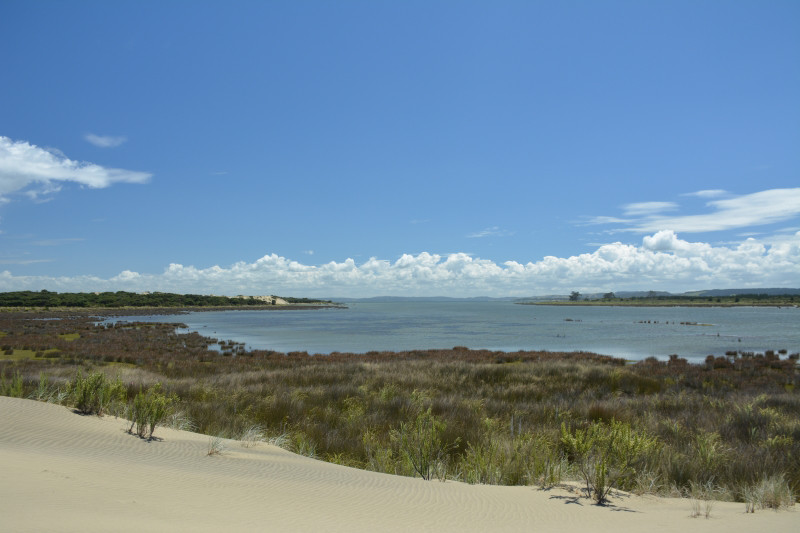
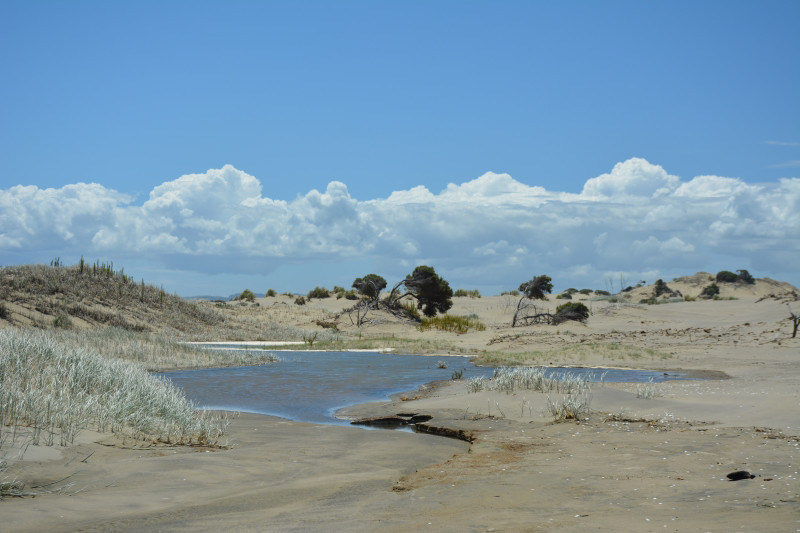
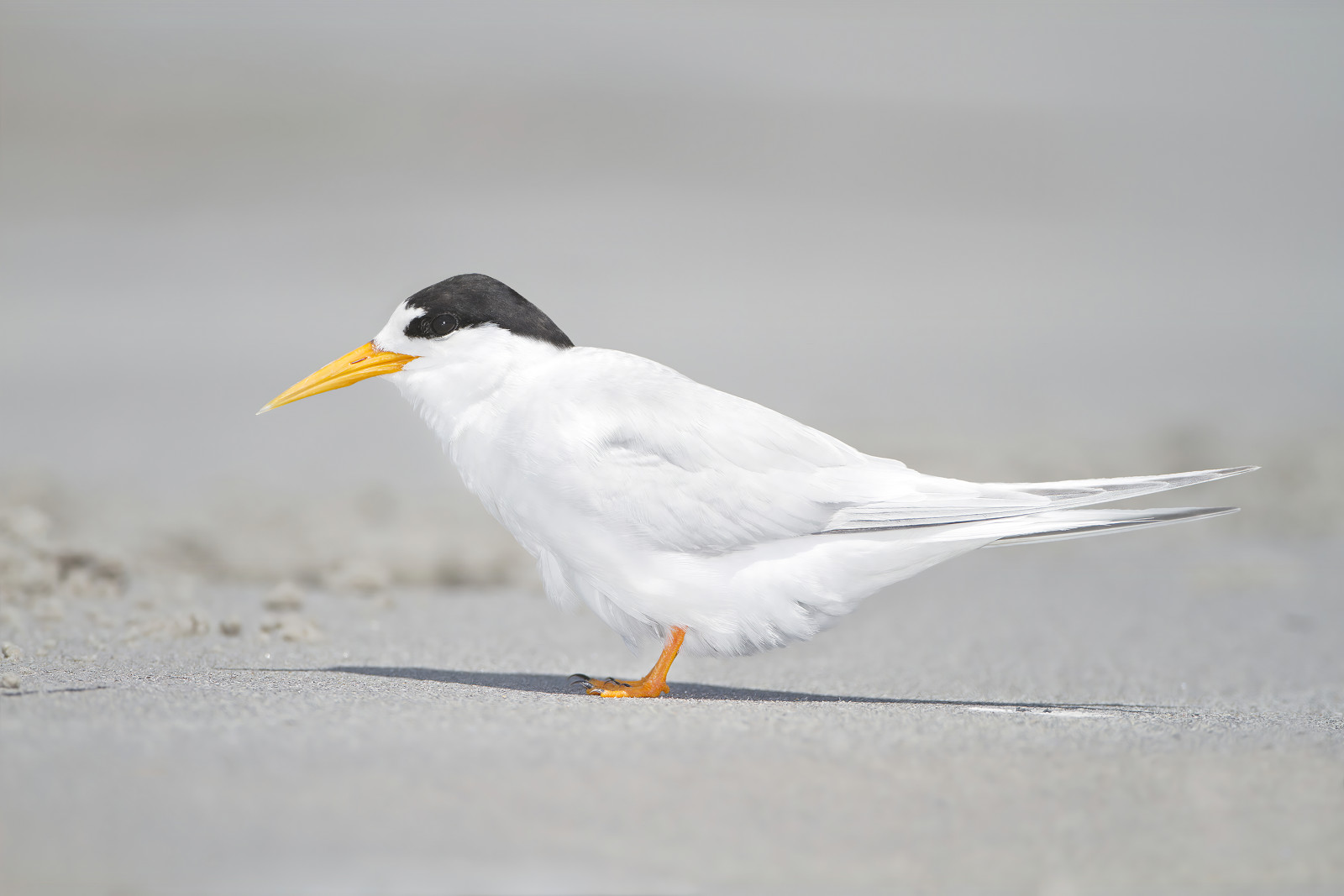
Manukapua or Big Sand Island in the Kaipara Harbour North of Auckland is an important area for waders and NZ's small Fairy Tern population.
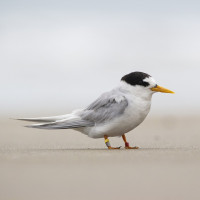
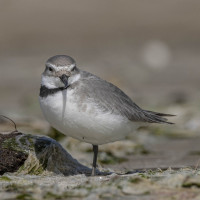
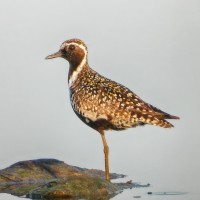
Manukapua Island is a big sandy island (4 km long, up to 1 km wide) surrounded by mudflats with several roosting sites for thousands of waders. Including many endemics such as Wrybill, New Zealand Dotterel, and South Island Oystercatcher, rare visitors and vagrants such as and , as well as for several tern species. For example, it is thewintering habitat of the endangered NZ subspecies of the Fairy Tern. It is also a special birding experience because you can only access the island by wading through the causeway.
The area is remote on the Okahukura Peninsula approximately a 1h45 min drive from Auckland, partially over unsurfaced gravel roads. There is no public transport to get close. There is parking on the road about 2,5 km from the causeway, or 1 km from the causeway if the car can drive on rough unsurfaced sandy rad, or at the causeway if you have a four-wheel drive, the weather conditions are good and you feel comfortable driving over the sandy road.
The area can only be explored by foot and you should expect to get wet feet - at low tide you can cross the causeway without getting wet feet, at high tide the water is about knee high. From there you can go along/over the mudflats to the main roost on the North End or cross to the Western side of the island and walk along the sandy beach. There are further roosts near and South of the causeway.
It is recommended to time your visit to be at the North End at high tide (see link to tides table below) and to use a scope in order to keep a safe, respectful distance to the birds.
Photo Fairy Tern by JJ Harrison (https://www.jjharrison.com.au/), CC BY-SA 3.0 <https://creativecommons.org/licenses/by-sa/3.0>, via Wikimedia Commons
 ) Insérez les noms d'oiseau dans votre langue. Ils seront automatiquement traduits pour les autres usagers !
Votre feedback sera transmis à l’auteur.rice de cette zone et à l’équipe éditoriale de Birdingplaces, qui l’utiliseront pour améliorer la qualité des informations. (Vous souhaitez publier un commentaire visible en bas de page ? Fermez cette fenêtre et choisissez l’Option 1 : « Publier un commentaire, un conseil ou une observation ».)
Veuillez fournir des suggestions d'améliorations ou d'ajouts au texte de ce site ornithologique.
Veuillez fournir vos suggestions d'améliorations ou d'ajouts à la carte.
Veuillez fournir des suggestions d'améliorations ou d'ajouts à la liste des oiseaux.
Cliquez sur l'icône de l'oiseau () Insérez les noms d'oiseau dans votre langue. Ils seront automatiquement traduits pour les autres usagers !