

.jpg)


Charger images
Les formats d'image autorisés sont de type jpeg, png ou gif
La taille maximale du fichier doit être de 20MB
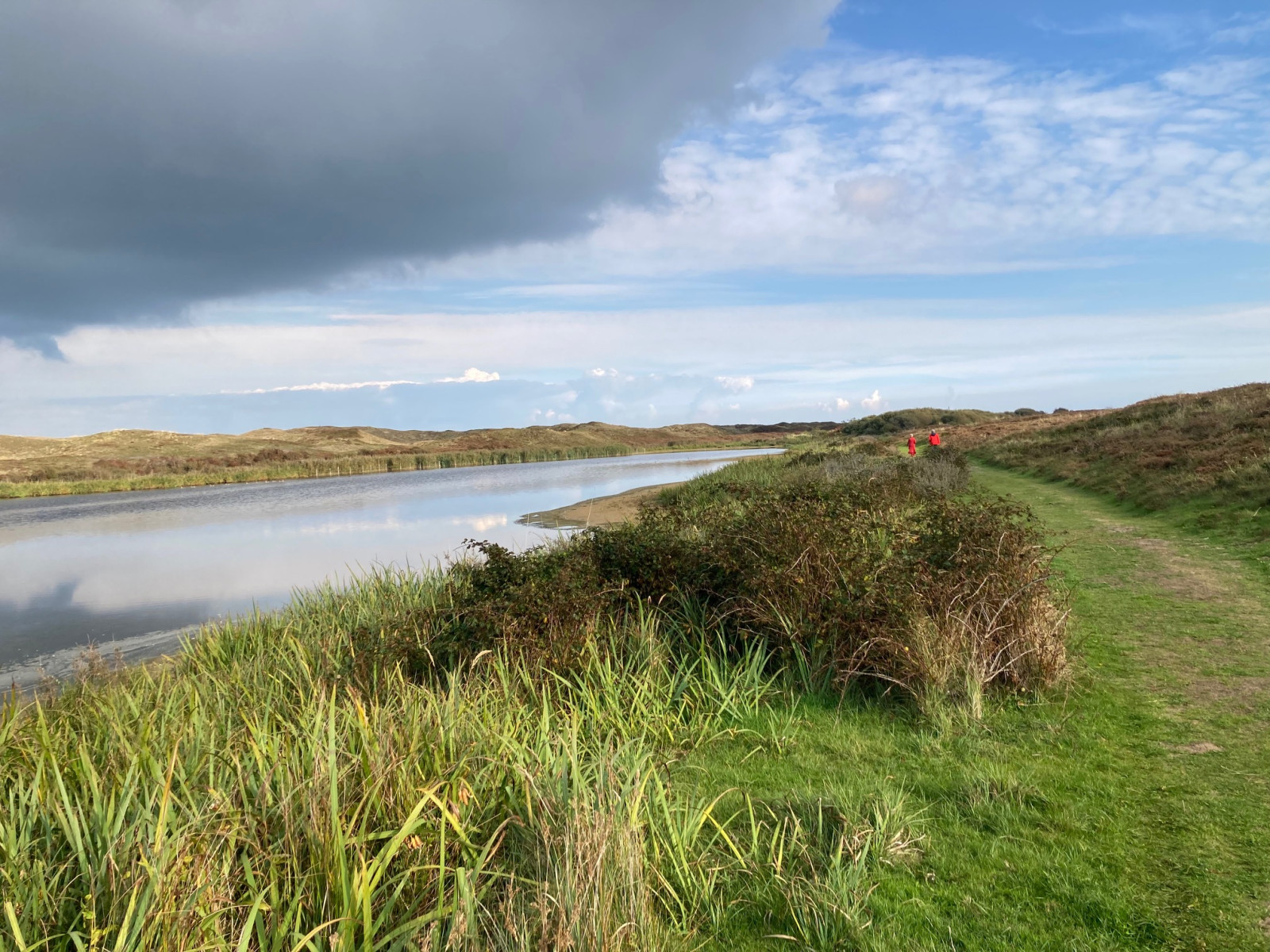
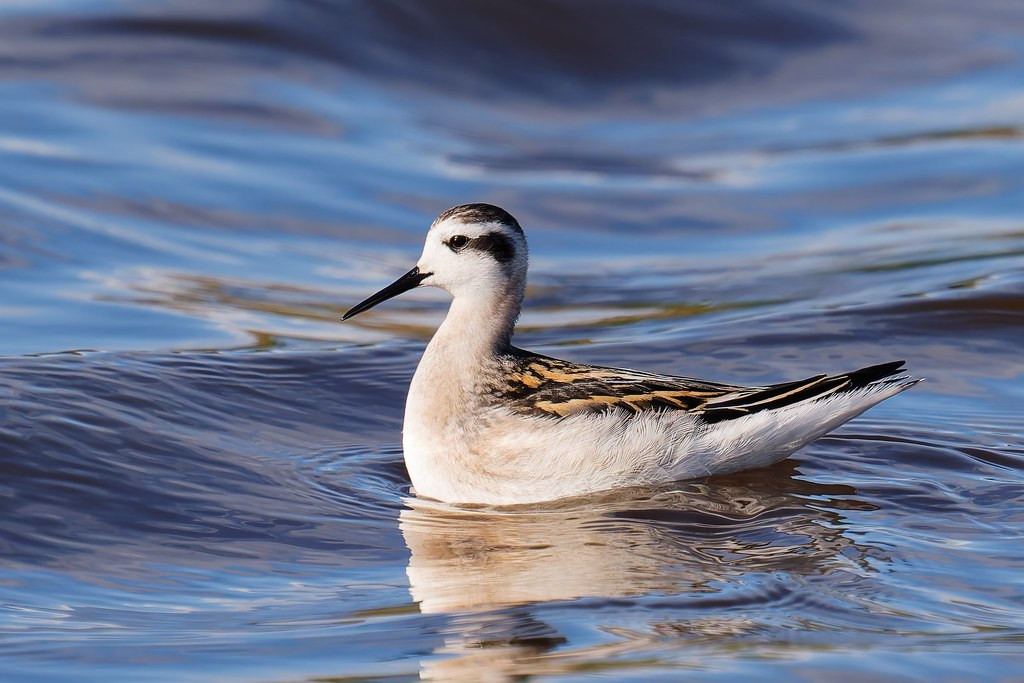
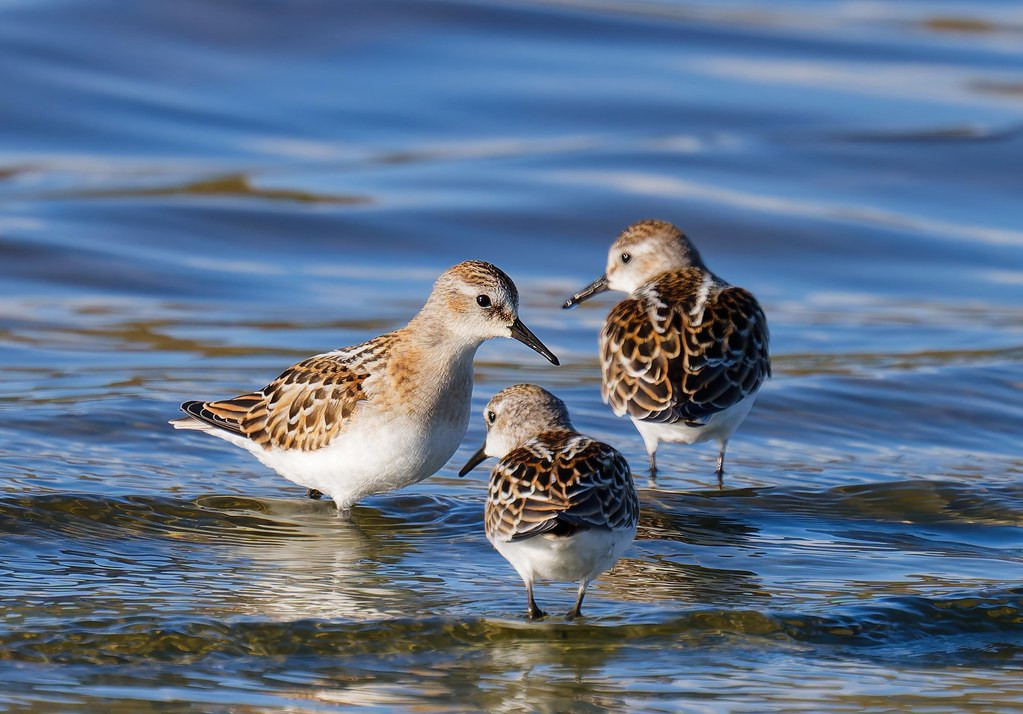
Wet dune valley, with lush reed beds and freshwater seepage from the dunes. Only possible to visit outside the breeding season.
The Pompevlak is a wet dune valley located in the southern part of Texel, nestled between the Moksloot and the Hoornderslag. It covers roughly 27 hectares. Historically, the Pompevlak played a vital role in Texel’s water supply. In the 18th century, pumps were installed to extract fresh water from the dunes, which was then transported to ships anchored in the Mokbaai. Water extraction continued until 1993, when Texel switched to mainland water supply and the pumps were removed.
The landscape is shaped by freshwater seepage from the dunes, which creates a lush environment filled with reeds and wetland vegetation. There are nice birds to see all year round. Scottish Highland cattle graze here, helping to maintain the open character of the valley. A green walking route runs through the valley, connecting Mokweg to Hoornderslag. Note: This path is closed during the breeding season from March 1 to September 1 to protect nesting birds.
_________________________
Nederlands: Het Pompevlak is een natte duinvallei in het zuiden van Texel, ingeklemd tussen de Moksloot en de Hoornderslag. Het beslaat ongeveer 27 hectare. Het Pompevlak speelde een essentiële rol in de watervoorziening van Texel. In de 18e eeuw werden pompen geïnstalleerd om zoet water uit de duinen te halen, dat vervolgens werd getransporteerd naar schepen die voor anker lagen in de Mokbaai. De waterwinning ging door tot 1993, toen Texel overschakelde op watervoorziening op het vasteland en de pompen werden verwijderd.
Door zoetwaterinfiltratie uit de duinen, heeft het gebied een weelderige riet- en moerasvegetatie. Er zijn het hele jaar rond wel leuke vogels te zien. Schotse Hooglanders grazen hier, wat bijdraagt aan het behoud van het open karakter van de vallei. Er loopt een wandelroute door de vallei die de Mokweg met de Hoornderslag verbindt. Let op: Dit pad is tijdens het broedseizoen van 1 maart tot 1 september gesloten om broedvogels te beschermen.
The Pompevlak is located just north of the Mokbaai and close to the village of Den Hoorn. If you're arriving by car, you can park near Horsmeertjes or along the Mokweg. From there, it’s a short walk to the start of the trail. Cyclists can also follow the Mokweg and lock their bikes before entering the walking path. The path is only open outside the breeding season from September 1 to March 1, to protect nesting birds.
_________________________
Nederlands: Het Pompevlak ligt net ten noorden van de Mokbaai en ten zuidwesten van het dorp Den Hoorn. Met de auto kun je parkeren bij de Horsmeertjes of langs de Mokweg. Vanaf daar is het een korte wandeling naar het begin van het wandelpad. Fietsers kunnen ook de Mokweg volgen en hun fiets op slot zetten voordat ze het wandelpad opgaan. Het pad langs het Pompevlak is alleen buiten het broedseizoen van 1 september tot 1 maart geopend om broedende vogels te beschermen.
Texel is one of the best bird watching destinations in the Netherlands. Bird watchers from all over Europe come to this Wadden Sea island to watch birds. Rare birds and vagrants are often seen on Texel and interesting birds can be observed all year round. Klaas de Jong - one of the most reputed bird guides in the Netherlands - lives on Texel and knows the island as no other. Klaas offers full day or half day birding tours. Klaas shows you countless bird species and always searches for the most recent rarities on the island.
One of the great services Klaas provides, is the pick-up-service. His minibus can pick you up at your hotel or at the ferry port. A very convenient service if you only have a day to explore the island. Directly from the ferry you you can start off and from there Klaas takes you to the best birding areas of the island.
For more information about Klaas' bird tours, times and prices visit his website.
 ) Insérez les noms d'oiseau dans votre langue. Ils seront automatiquement traduits pour les autres usagers !
Votre feedback sera transmis à l’auteur.rice de cette zone et à l’équipe éditoriale de Birdingplaces, qui l’utiliseront pour améliorer la qualité des informations. (Vous souhaitez publier un commentaire visible en bas de page ? Fermez cette fenêtre et choisissez l’Option 1 : « Publier un commentaire, un conseil ou une observation ».)
Veuillez fournir des suggestions d'améliorations ou d'ajouts au texte de ce site ornithologique.
Veuillez fournir vos suggestions d'améliorations ou d'ajouts à la carte.
Veuillez fournir des suggestions d'améliorations ou d'ajouts à la liste des oiseaux.
Cliquez sur l'icône de l'oiseau () Insérez les noms d'oiseau dans votre langue. Ils seront automatiquement traduits pour les autres usagers !