Charger images
Les formats d'image autorisés sont de type jpeg, png ou gif
La taille maximale du fichier doit être de 20MB
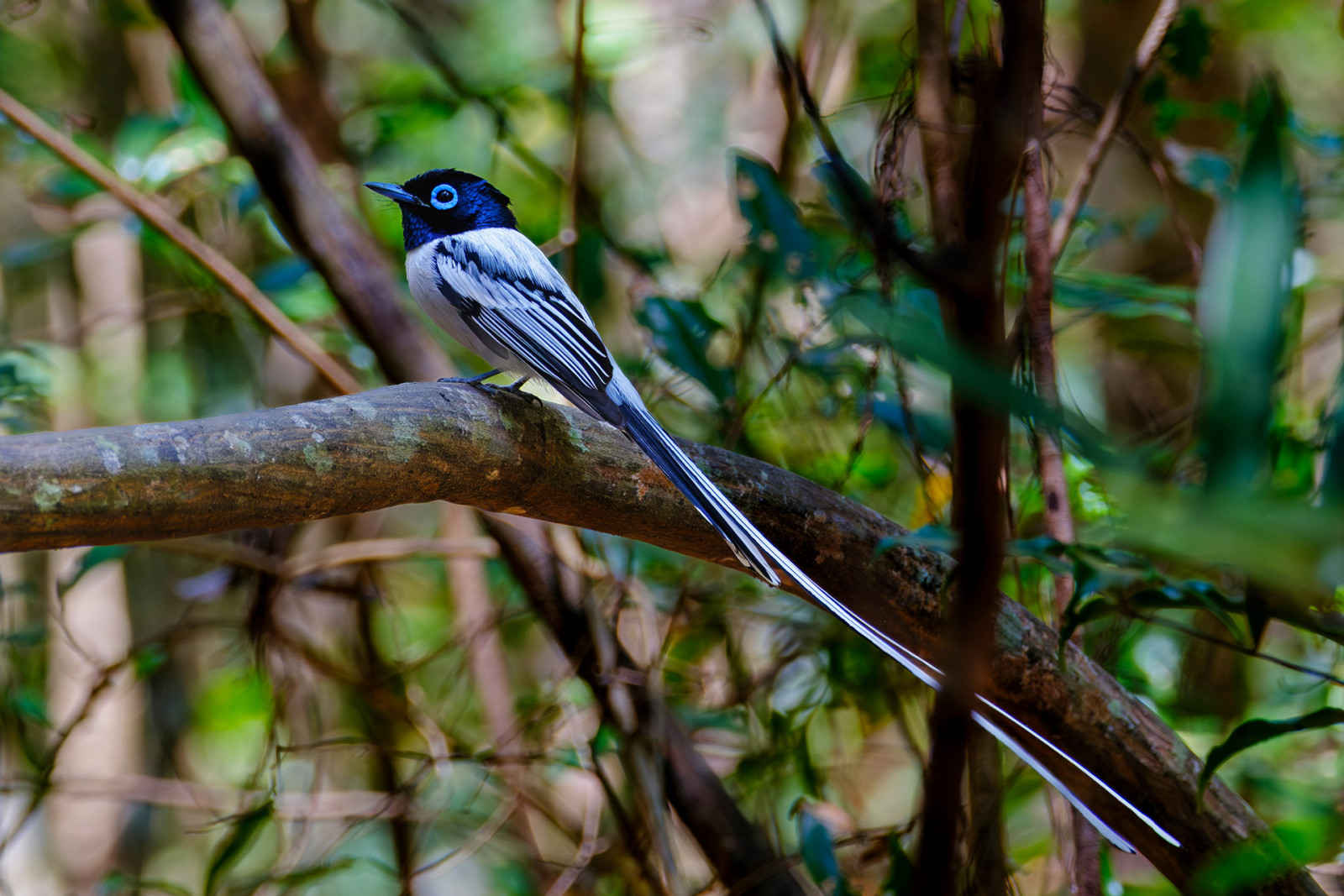
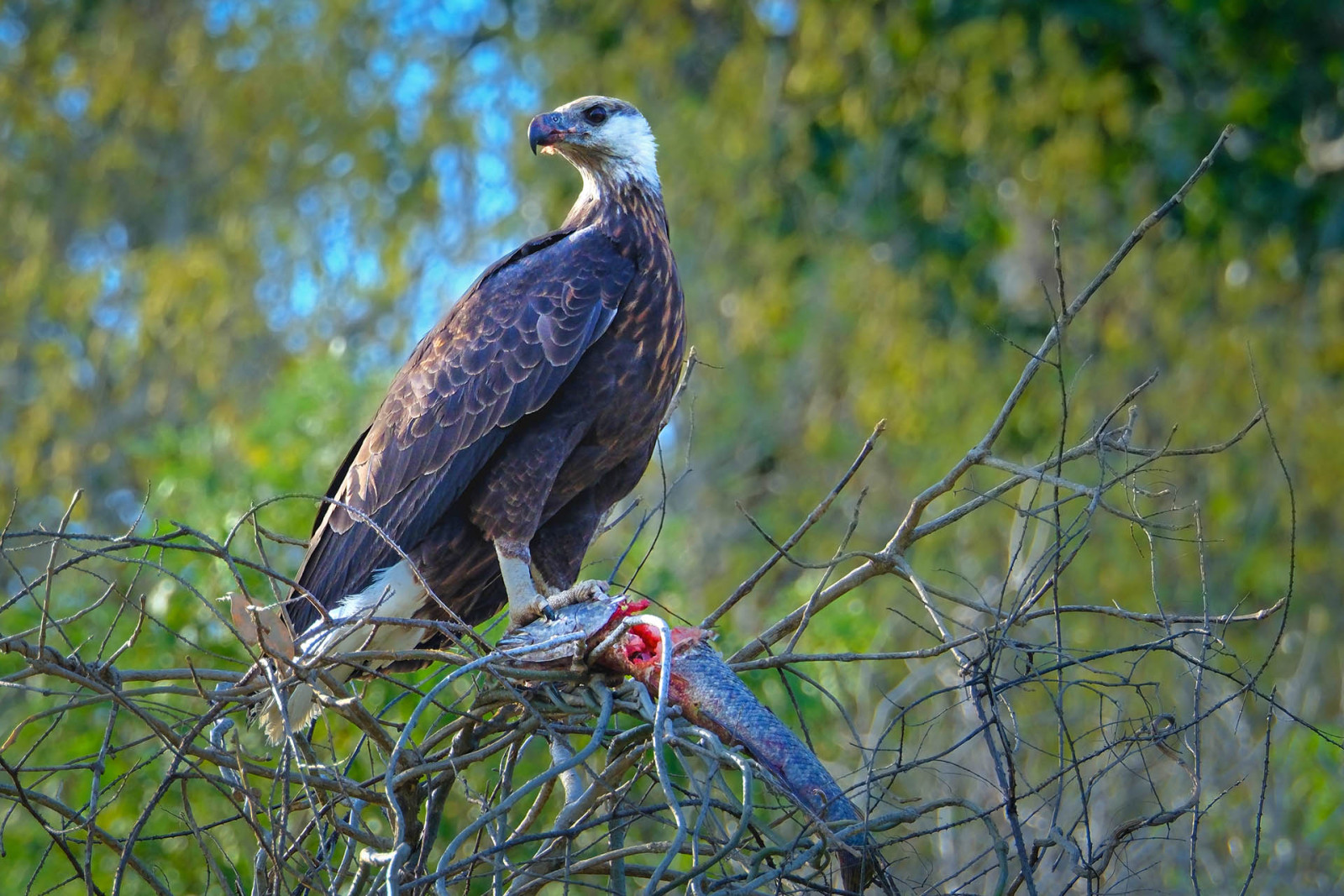
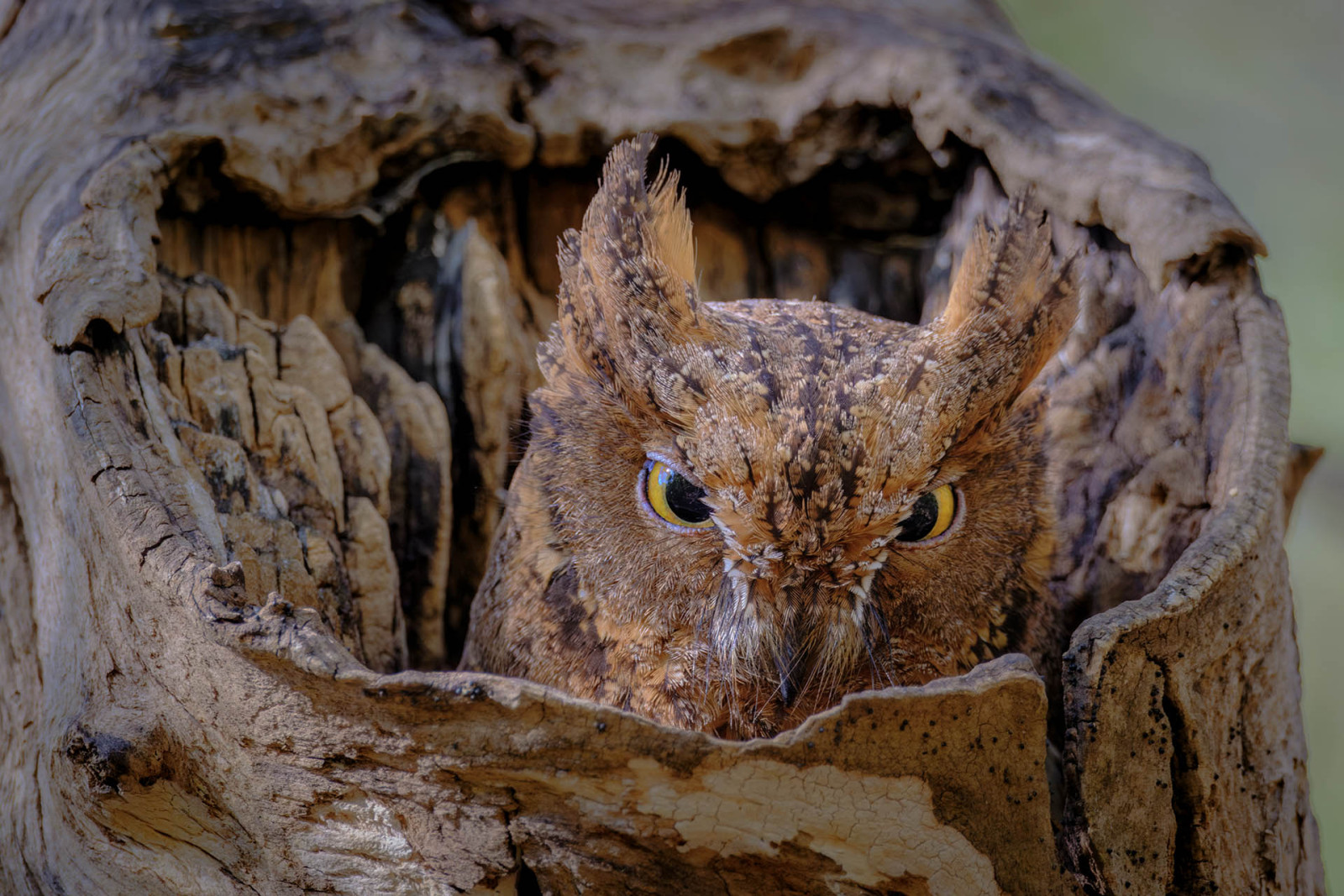
National park of 136,000 hectares in the northwest of Madagascar, an important sanctuary for many endemic animal and plant species.
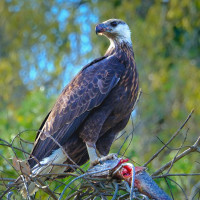
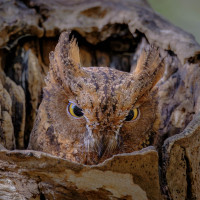
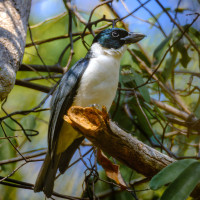
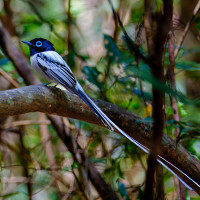
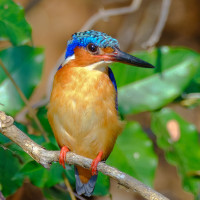
Ankarafantsika is a vast National Park that protects a mosaic of habitats that support a rich array of wildlife. It is a vital conservation area known for its unique blend of dry deciduous forests, savannah, lakes, and dramatic canyon landscapes. With almost 150 bird species recorded (75 found nowhere else), Ankarafantsika is great for birding. The park is home to birds like White-breasted Mesite, Schlegel's Asity, Madagascar Ibis, Banded Kestrel, Van Dam's Vanga, Blue Vanga, Madagascar Scops-Owl, Malagasy Kingfisher and Red-capped Coua. Lake Ravelobe is a central feature, offering chances to spot Humblot's Heron and Madagascar Fish-Eagle. The terrain is varied, with rolling hills and eroded ravines.
Ankarafantsika National Park is situated approximately 450 kilometers northwest of the capital, Antananarivo, 115 km north of the city of Mahajanga. The park is easily accessible from Mahajanga via National Road 4. Visitors can enjoy daytime and nighttime guided walks to see both diurnal and nocturnal animals, boat trips on Lake Ravelobe (1) for birdwatching, and hikes to the Ankarokaroka Canyon (2). The park offers basic lodging.
Andranofasika village (3) is the entry point, where the park office and basic accommodations are located. April to November (dry season) is ideal for hiking and general wildlife viewing. The trails are dry. October–November is peak season for birdwatching and reptile activity, especially after the first rains. December to March (wet season) brings lush vegetation and amphibian activity, but access may be limited due to rain and flooding.
 ) Insérez les noms d'oiseau dans votre langue. Ils seront automatiquement traduits pour les autres usagers !
Votre feedback sera transmis à l’auteur.rice de cette zone et à l’équipe éditoriale de Birdingplaces, qui l’utiliseront pour améliorer la qualité des informations. (Vous souhaitez publier un commentaire visible en bas de page ? Fermez cette fenêtre et choisissez l’Option 1 : « Publier un commentaire, un conseil ou une observation ».)
Veuillez fournir des suggestions d'améliorations ou d'ajouts au texte de ce site ornithologique.
Veuillez fournir vos suggestions d'améliorations ou d'ajouts à la carte.
Veuillez fournir des suggestions d'améliorations ou d'ajouts à la liste des oiseaux.
Cliquez sur l'icône de l'oiseau () Insérez les noms d'oiseau dans votre langue. Ils seront automatiquement traduits pour les autres usagers !