Charger images
Les formats d'image autorisés sont de type jpeg, png ou gif
La taille maximale du fichier doit être de 20MB
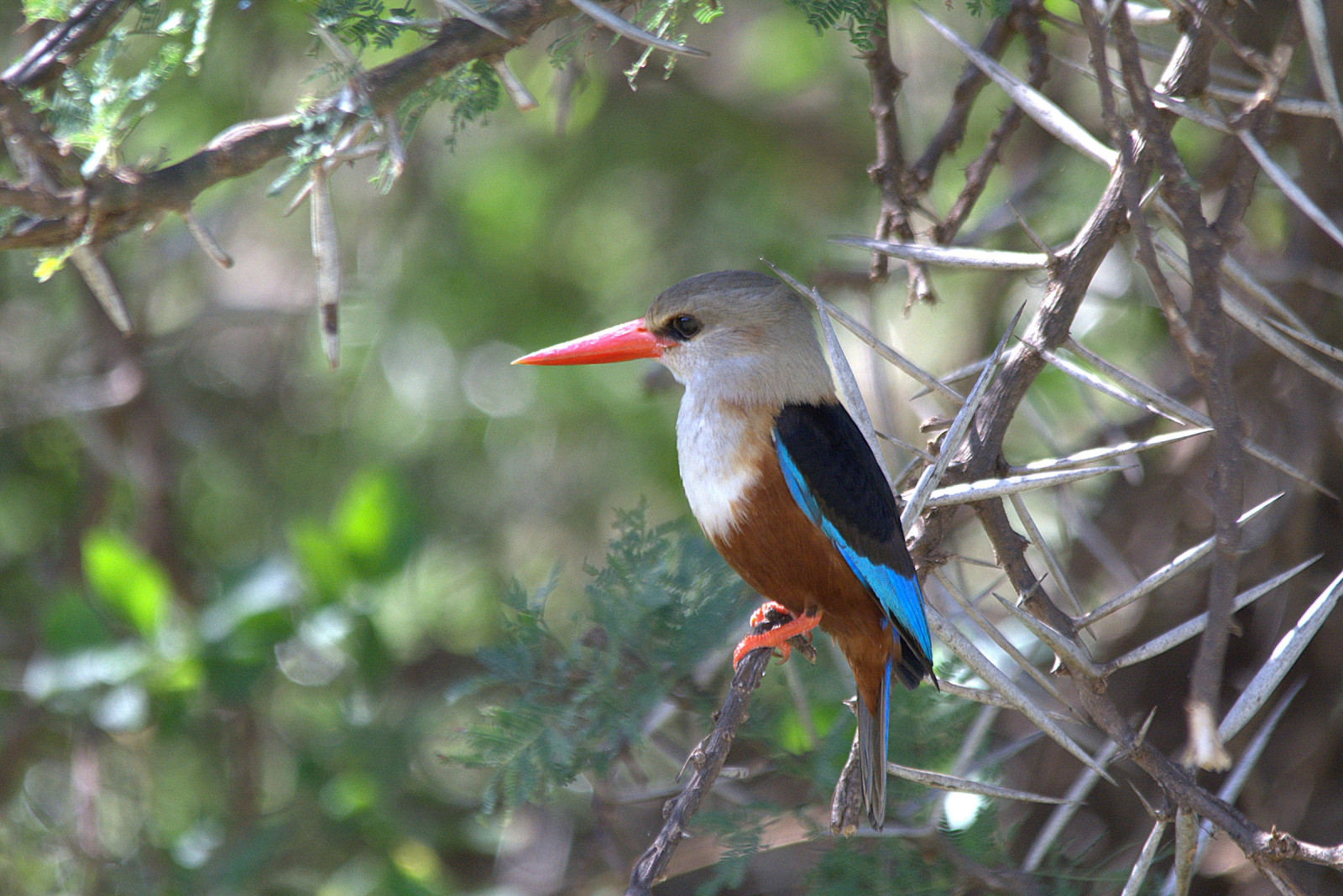
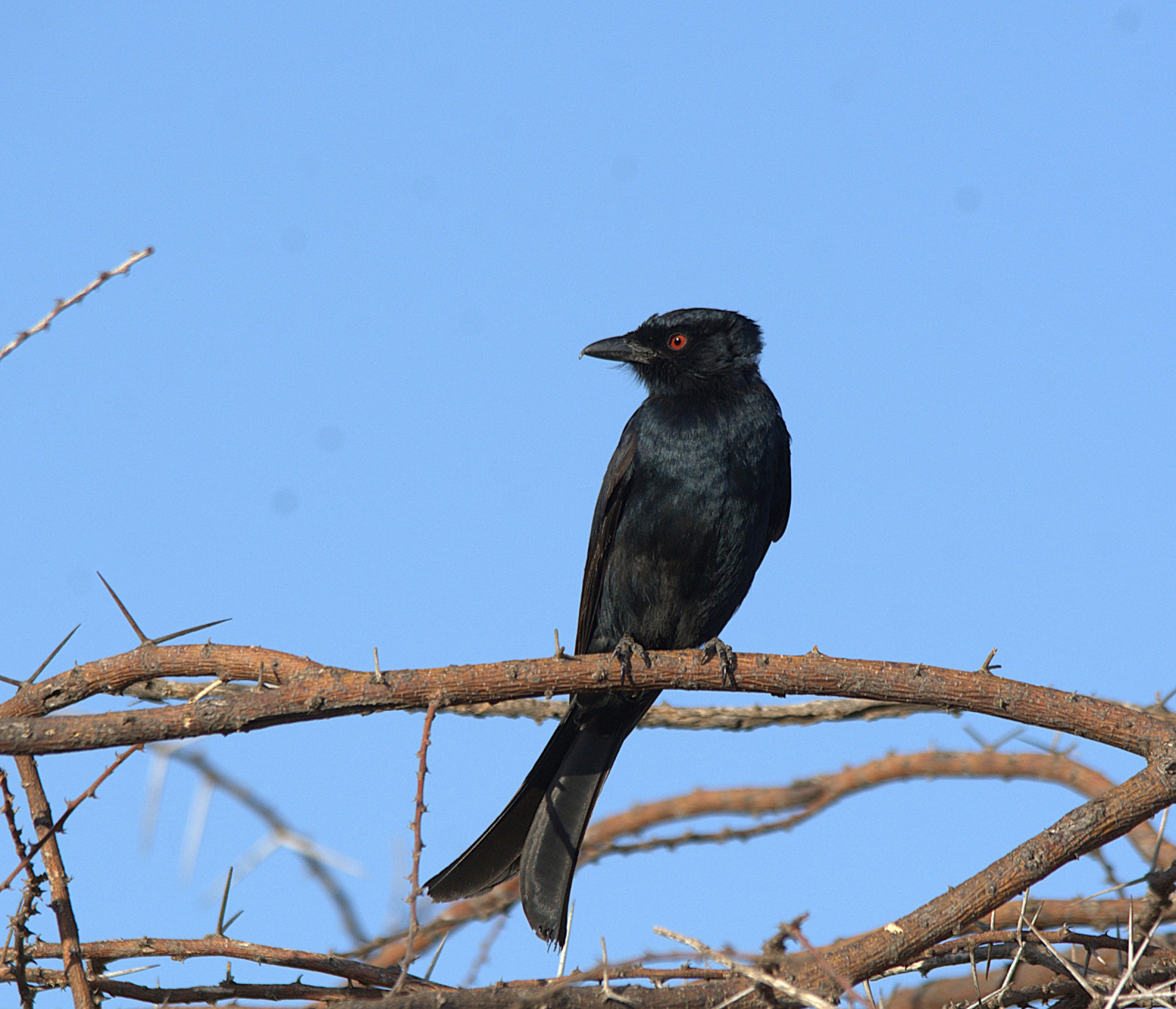
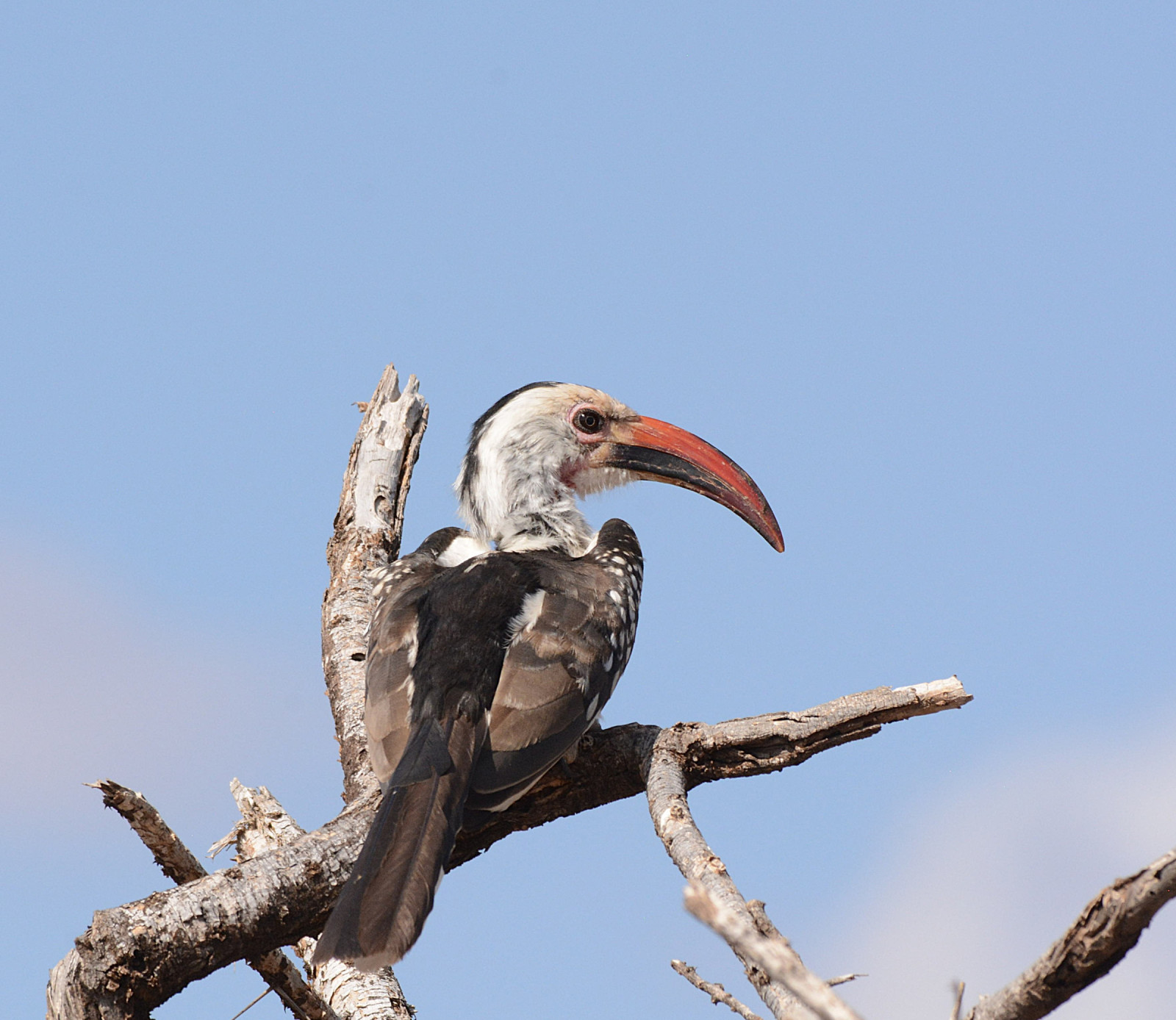
Samburu National Reserve really is a birdwatcher's paradise with 689 recorded bird species.
Samburu National Reserve is located in Northern Kenya. This vast expanse of remote pristine wilderness measures 165 square kilometers in area and borders the Ewaso Ng'iro River to the south, which separates it from the Buffalo Springs National Reserve.
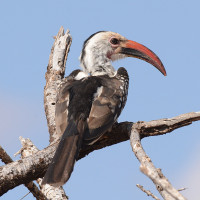
With 689 recorded bird species, Samburu offers an extraordinary variety of birds, from the water birds and rare species found only in northern Kenya through to savannah birds. The reserve’s mosaic of habitats supports both resident species and migratory visitors, especially during from November to April when Palearctic migrants flock to the region.
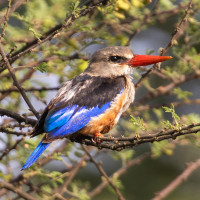
Down by the river you might be able to spot the Grey-headed Kingfisher, Sacred Ibis, Wood Sandpiper, African Spoonbill, Woolly-necked Stork, and Yellow-billed Stork.
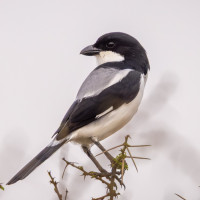
In the savannah areas you should be able to see the White-throated Bee-eater, Rosy-patched Bushshrike, Taita Fiscal, Golden-breasted Starling, Eastern Chanting-Goshawk and Three-banded Courser (Heuglin's Courser).
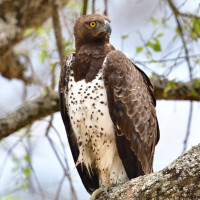
And in the acacia trees you can find the African Grey Hornbill, Jackson's Hornbill, Laughing Dove, Black-shouldered Kite, Martial Eagle, Black-capped Social-Weaver and Donaldson-Smith's Sparrow-Weaver.
Samburu National Reserve is located in northern Kenya, along the Ewaso Ng'iro River within Samburu County, about 350 kilometers north of Nairobi. It is about a 5 and 1/2 hour drive from Nairobi and it is best to explore it by car. In order to really take in all that this place has to offer, you should spend at least a full day exploring it.
It is also recommended, after the long drive up from Nairobi, to stay in one of the lodges or camps located in the reserve or a hotel in Archer's Post (which is the small town close to the main gate).
 ) Insérez les noms d'oiseau dans votre langue. Ils seront automatiquement traduits pour les autres usagers !
Votre feedback sera transmis à l’auteur.rice de cette zone et à l’équipe éditoriale de Birdingplaces, qui l’utiliseront pour améliorer la qualité des informations. (Vous souhaitez publier un commentaire visible en bas de page ? Fermez cette fenêtre et choisissez l’Option 1 : « Publier un commentaire, un conseil ou une observation ».)
Veuillez fournir des suggestions d'améliorations ou d'ajouts au texte de ce site ornithologique.
Veuillez fournir vos suggestions d'améliorations ou d'ajouts à la carte.
Veuillez fournir des suggestions d'améliorations ou d'ajouts à la liste des oiseaux.
Cliquez sur l'icône de l'oiseau () Insérez les noms d'oiseau dans votre langue. Ils seront automatiquement traduits pour les autres usagers !