Charger images
Les formats d'image autorisés sont de type jpeg, png ou gif
La taille maximale du fichier doit être de 20MB
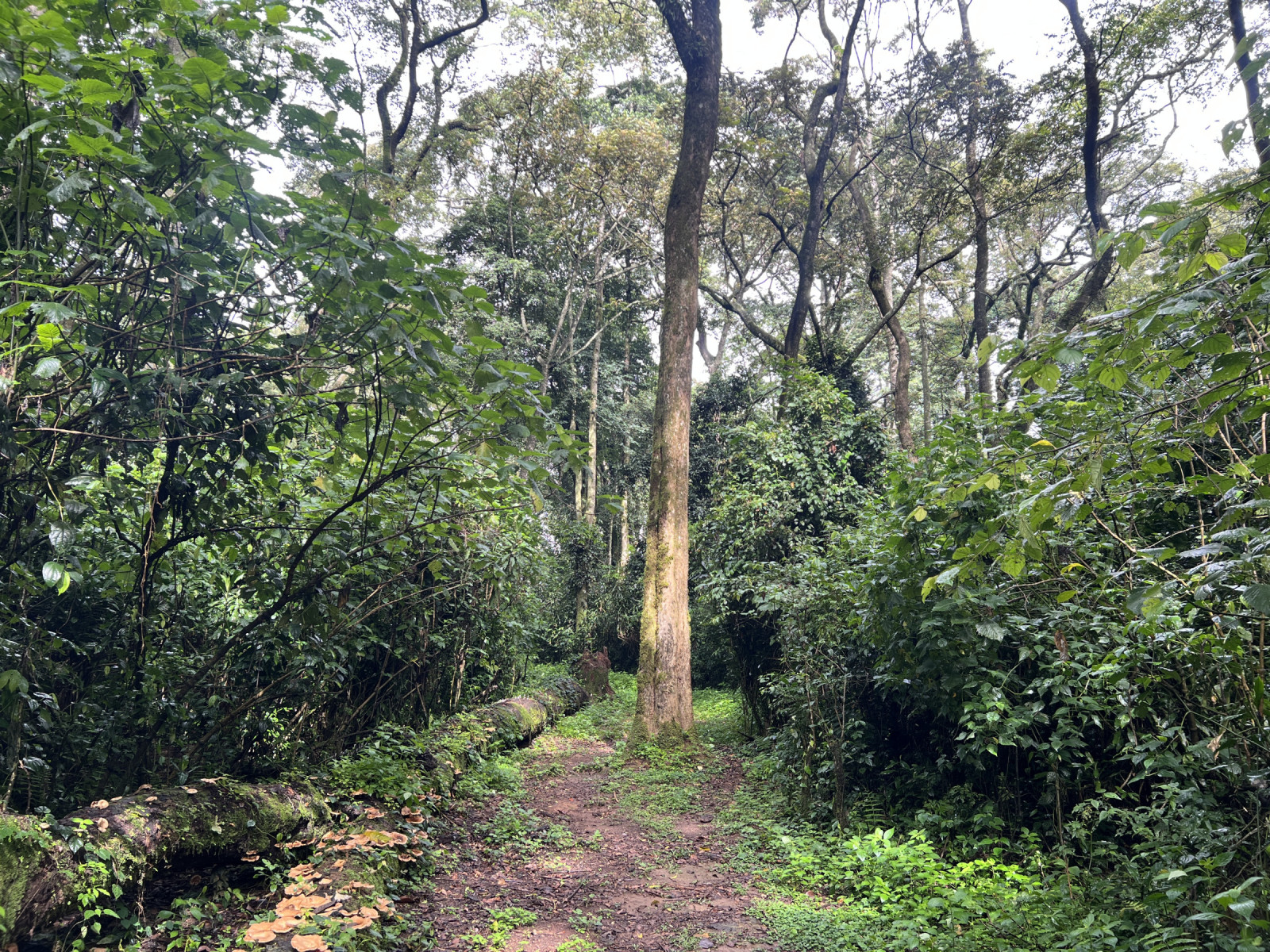
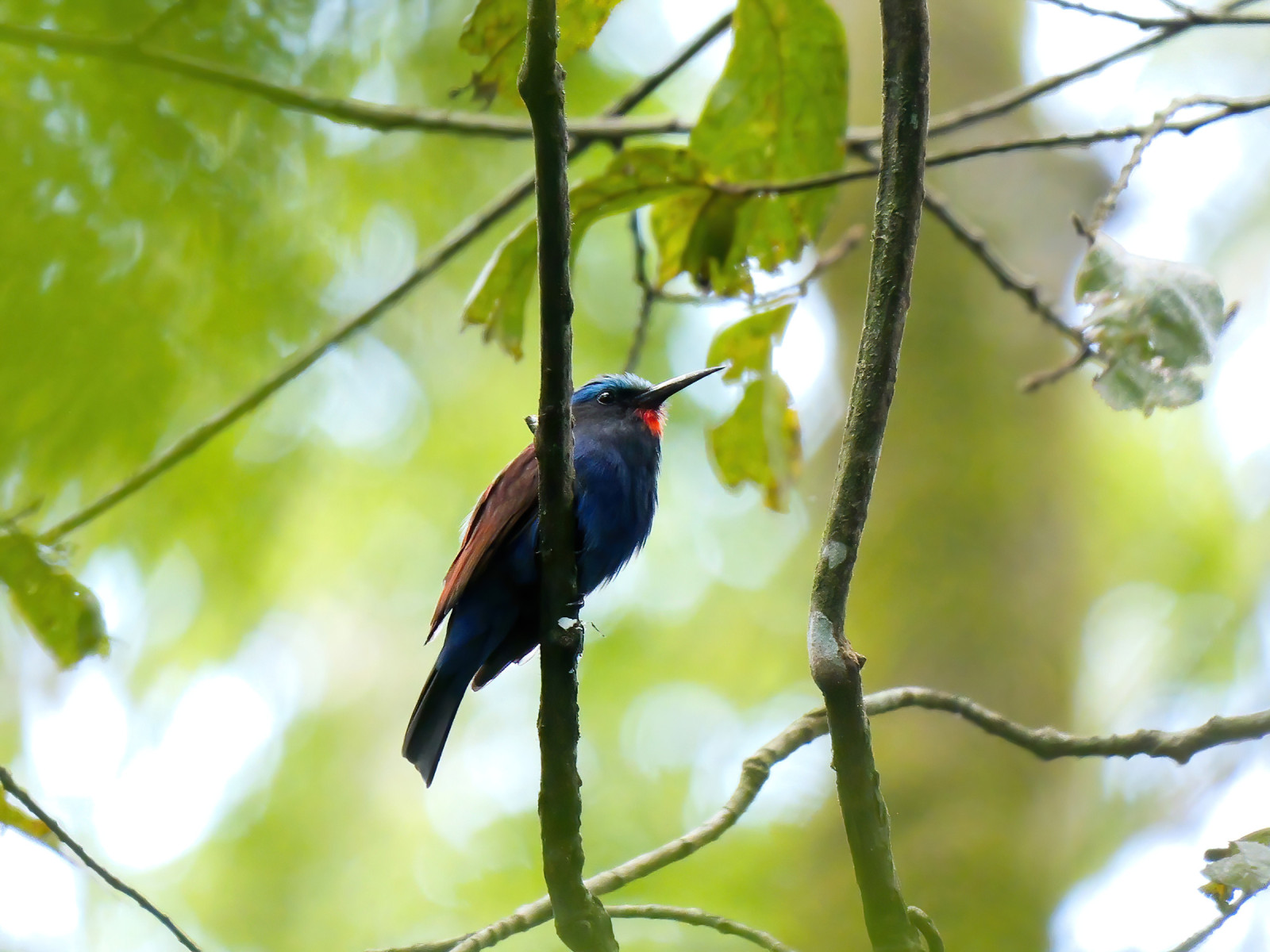
Kakamega Forest is one of the top African tropical forest birding spots in Kenya, and a must for any birder in the region.
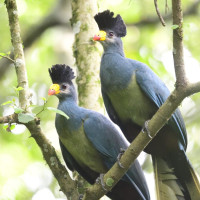
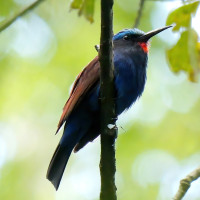
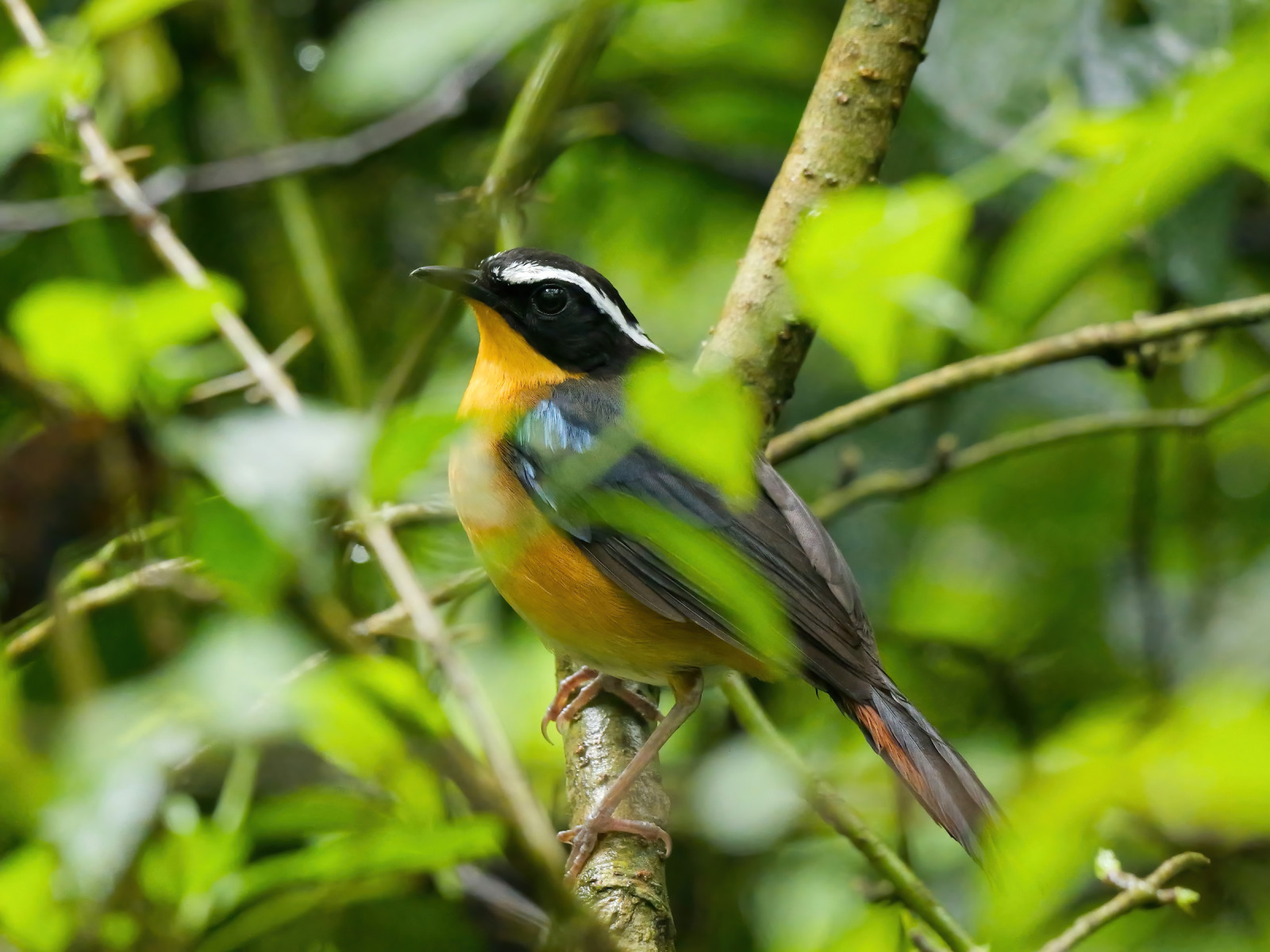
Kakamega is a large remnant of the once extensive tropical forests found from Kenya west to Uganda and the Congo. As such, it has numerous special and hard to find elsewhere species - including Blue-headed Bee-eater, Gray-chested Babbler (very hard to find), Red-headed Malimbe, Jameson's Wattle-eye, Blue-shouldered Robin-Chat, and lots of greenbuls! Also Great Blue Turaco can be observed. With over 400 species on an extensive trail network, every birder visiting Kenya should spend a few days here at least.
Kakamega Forest is located in western Kenya, within Kakamega County, near the border with Uganda. It lies approximately 418 km northwest of Nairobi and about 50 km north of Kisumu. The main area for birding is around the Isecheno Forest Station and Rondo Lodges. It is best to stay inside the park or at a hotel nearby. You will have to drive to get there - or take a taxi.
The forest can only be explored on foot - slowly and patiently. Hiring a specialist birding guide is highly recommended, and they also will help you take care of the entrance fee.
There are two places to stay at Kakamega forest. The first (and most well known) is the Rondo Retreat. It is expensive, but meals are included, and guides can be arranged from there. The second place is Isecheno Blue-shouldered Guest House, which is located just outside the forest (very easy walkable distance). It is managed by Smith Likare, who is also an exceptional birding guide. Smith can be reached on WhatsApp at +254 722 886833. The guest house itself is inexpensive, basic, but clean, safe and has hot showers (after a long day in the forest!). You can purchase tasty meals for a modest price. For the budget conscious birder, this is a great place to stay.

 ) Insérez les noms d'oiseau dans votre langue. Ils seront automatiquement traduits pour les autres usagers !
Votre feedback sera transmis à l’auteur.rice de cette zone et à l’équipe éditoriale de Birdingplaces, qui l’utiliseront pour améliorer la qualité des informations. (Vous souhaitez publier un commentaire visible en bas de page ? Fermez cette fenêtre et choisissez l’Option 1 : « Publier un commentaire, un conseil ou une observation ».)
Veuillez fournir des suggestions d'améliorations ou d'ajouts au texte de ce site ornithologique.
Veuillez fournir vos suggestions d'améliorations ou d'ajouts à la carte.
Veuillez fournir des suggestions d'améliorations ou d'ajouts à la liste des oiseaux.
Cliquez sur l'icône de l'oiseau () Insérez les noms d'oiseau dans votre langue. Ils seront automatiquement traduits pour les autres usagers !