


Charger images
Les formats d'image autorisés sont de type jpeg, png ou gif
La taille maximale du fichier doit être de 20MB

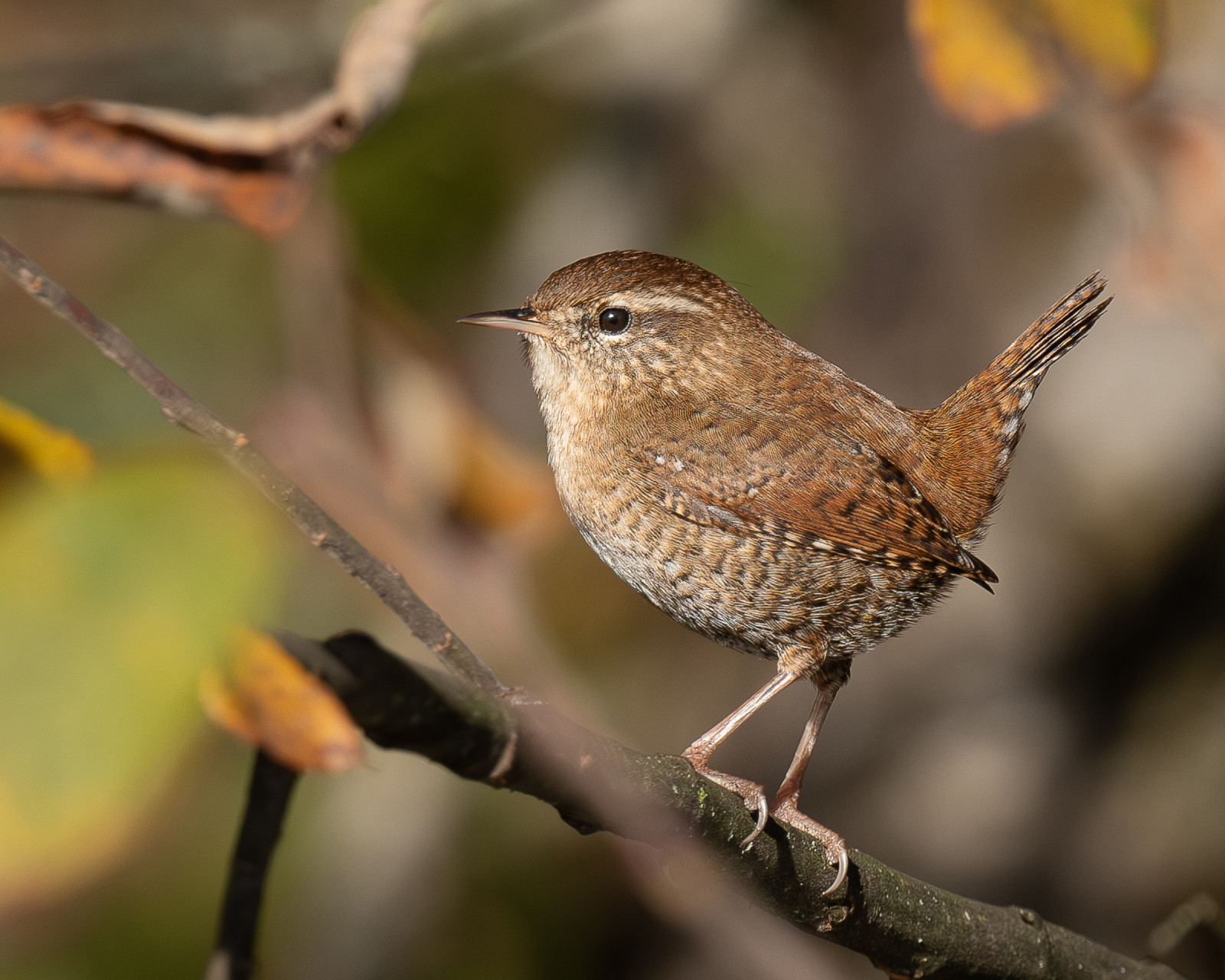

The Perivolis Monastery is a fantastic spot for migrants, and provides some beautiful scenery too.
Just east of Andissa, the Perivolis Monastery is located, and provides a fantastic spot for migrants. Just around the monastery, several large trees are used by many species of migrant and breeding birds. Often, Petit-duc scops can be heard here too.
A small track leads you through the gorge of the Lardia and Voulgaris rivers. This gorge is a great spot for many species, both migrating and breeding. The river is used by waders, ducks, herons, storks and wagtails as foraging area. Carefully walk along the path and check the river with binoculars to find them. The adjacent scrubs, bushes and trees are perfect for migrants, like Gobemouche noir and Loriot d'Europe. Scarcer migrants, like Rossignol progné, tend to be found here more often. One of the few locations on the island to provide habitat for Troglodyte mignon too. The rocky outcrops along the gorge are breeding habitat for (small numbers of) Faucon d'Éléonore and Faucon crécerellette, but mainly Circaète Jean-le-Blanc and Buse féroce can be seen here. The semi open hills are great for Moineau soulcie, Fauvette passerinette and Sittelle de Neumayer.
The area can be accessed by a road, leading down to the monastery, and an unpaved path next to the gorge northwards.
 ) Insérez les noms d'oiseau dans votre langue. Ils seront automatiquement traduits pour les autres usagers !
Votre feedback sera transmis à l’auteur.rice de cette zone et à l’équipe éditoriale de Birdingplaces, qui l’utiliseront pour améliorer la qualité des informations. (Vous souhaitez publier un commentaire visible en bas de page ? Fermez cette fenêtre et choisissez l’Option 1 : « Publier un commentaire, un conseil ou une observation ».)
Veuillez fournir des suggestions d'améliorations ou d'ajouts au texte de ce site ornithologique.
Veuillez fournir vos suggestions d'améliorations ou d'ajouts à la carte.
Veuillez fournir des suggestions d'améliorations ou d'ajouts à la liste des oiseaux.
Cliquez sur l'icône de l'oiseau () Insérez les noms d'oiseau dans votre langue. Ils seront automatiquement traduits pour les autres usagers !