


Charger images
Les formats d'image autorisés sont de type jpeg, png ou gif
La taille maximale du fichier doit être de 20MB
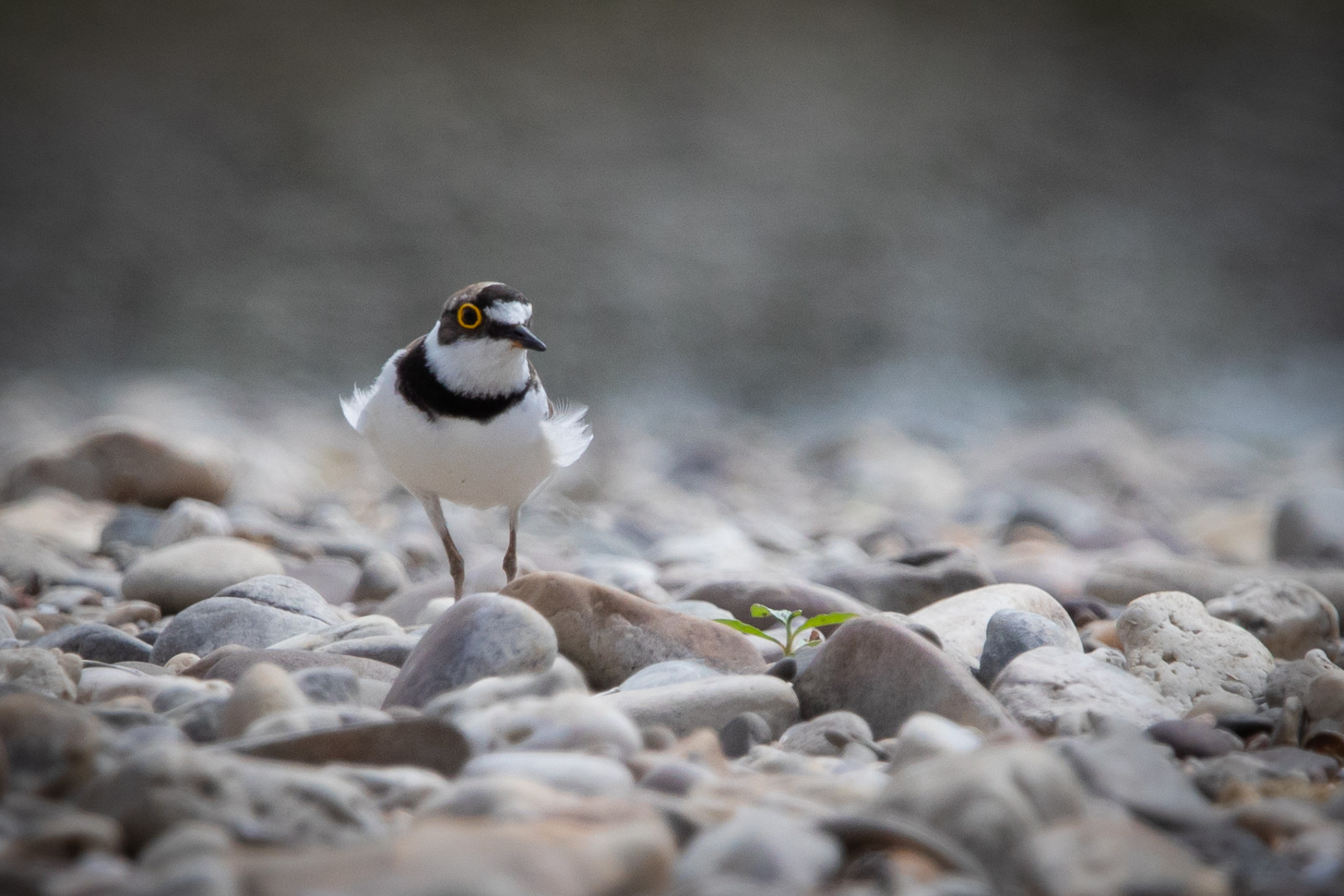
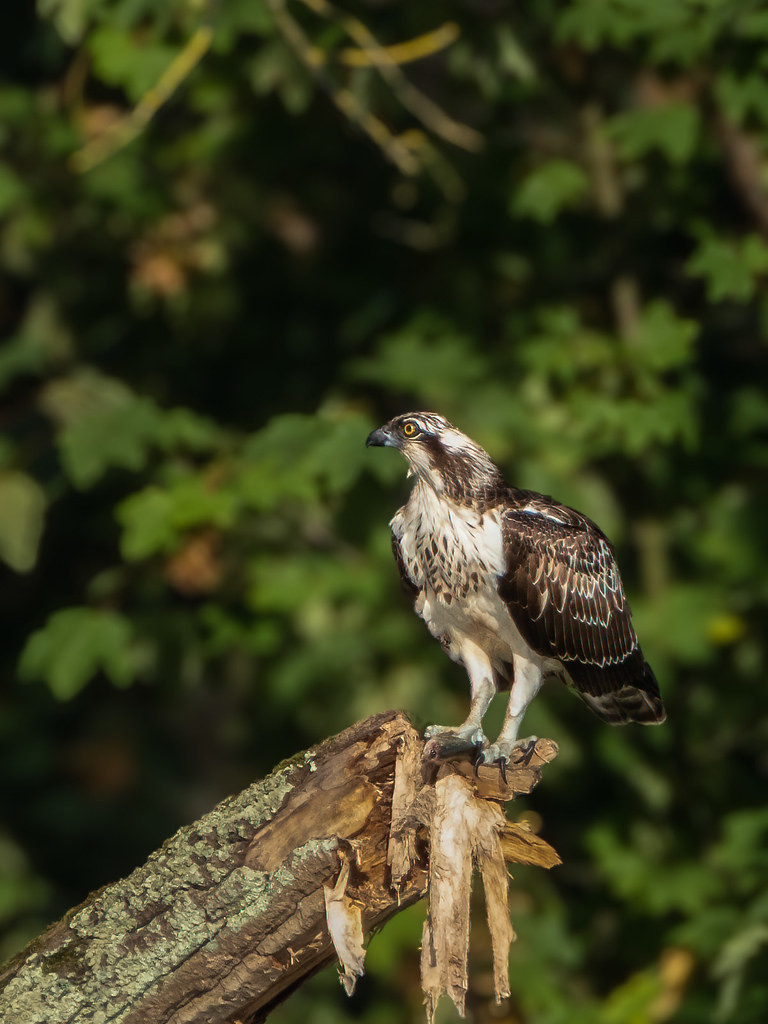
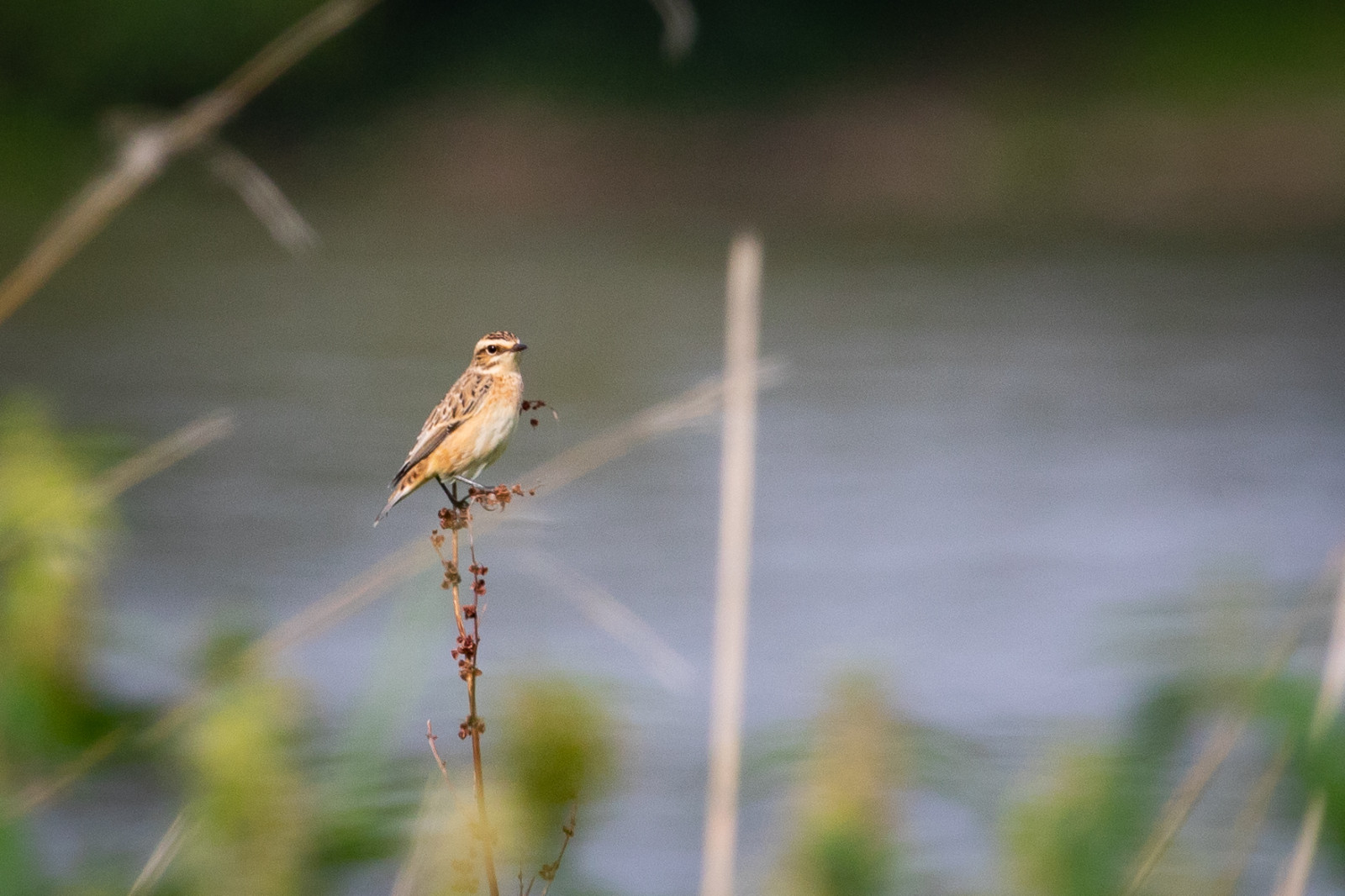
With an area of 316 hectares, the Urdenbacher Kämpe is the largest nature reserve in Düsseldorf. The mix of wet meadows, ponds and bushes attracts many birds.
The Urdenbacher Kämpe is a typical piece of old Lower Rhine cultural landscape with pollard willows, fruit trees and wet meadows. In Spring the flowering fruit trees are particularly worth seeing. The landscape is structured by rows of trees and hedges. As an intact meadow landscape, the areas of the Urdenbacher Kämpe that are not diked are regularly flooded by the Rhine. The meandering arc-shaped course of the Urdenbacher Altrhein corresponds roughly to the course that the Rhine had until the middle of the 14th century. Numerous wetlands and fens have formed in the area of the Old Rhine. In the event of flooding, the area is also filled with rising groundwater.
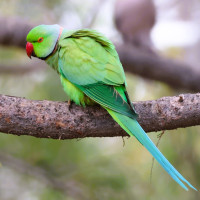
The fruit trees are the habitat of birds such as Pic vert and Rougequeue à front blanc. In the wetlands, ponds, hedges, forest areas and meadows many other birds can be seen or heard: Martin-pêcheur d'Europe, Tadorne casarca, Râle des genêts (very rare), Rousserolle verderolle, Canard souchet , Petit Gravelot, Rossignol philomèle, Harle bièvre, Sarcelle d'hiver, Fuligule milouin, Grèbe castagneux, Bouvreuil pivoine, Bergeronnette des ruisseaux, Perruche à collier and Loriot d'Europe. During migration, often Balbuzard pêcheur is observed.
The Urdenbacher Kämpe are located south of the city of Düsseldorf along the river Rhine. You can make a nice circular walk of 10 km around the area. Easy to reach from Düsseldorf by bike of public transport. You can get of at train station Düsseldorf-Garath (1), from where it is only a short walk to the area, or you can reach the area with Bus 788 and get off at busstop Mühlenplatz (2). There are several parking options. Press P on the map for directions to a car park.
 ) Insérez les noms d'oiseau dans votre langue. Ils seront automatiquement traduits pour les autres usagers !
Votre feedback sera transmis à l’auteur.rice de cette zone et à l’équipe éditoriale de Birdingplaces, qui l’utiliseront pour améliorer la qualité des informations. (Vous souhaitez publier un commentaire visible en bas de page ? Fermez cette fenêtre et choisissez l’Option 1 : « Publier un commentaire, un conseil ou une observation ».)
Veuillez fournir des suggestions d'améliorations ou d'ajouts au texte de ce site ornithologique.
Veuillez fournir vos suggestions d'améliorations ou d'ajouts à la carte.
Veuillez fournir des suggestions d'améliorations ou d'ajouts à la liste des oiseaux.
Cliquez sur l'icône de l'oiseau () Insérez les noms d'oiseau dans votre langue. Ils seront automatiquement traduits pour les autres usagers !