

Charger images
Les formats d'image autorisés sont de type jpeg, png ou gif
La taille maximale du fichier doit être de 20MB
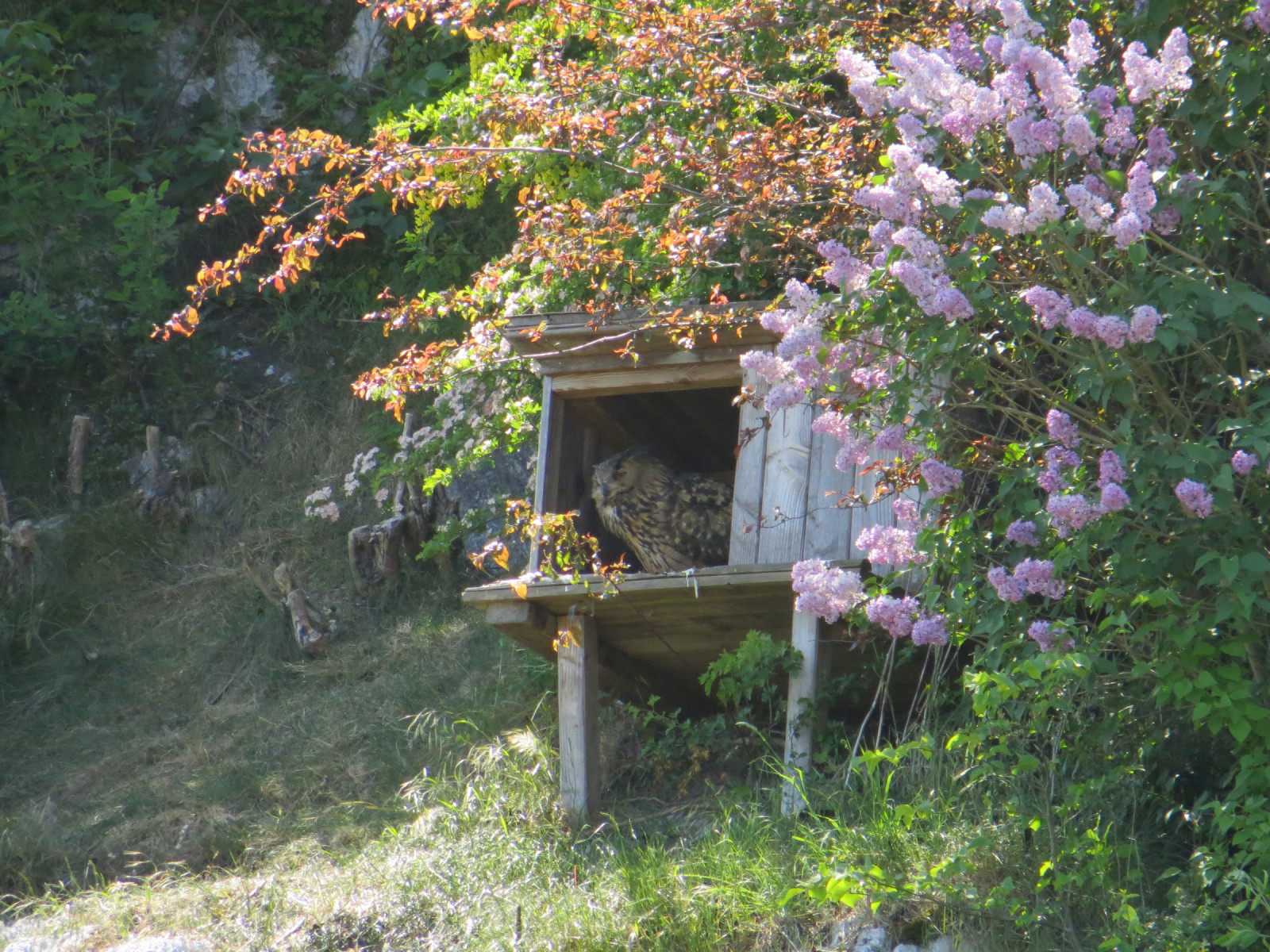
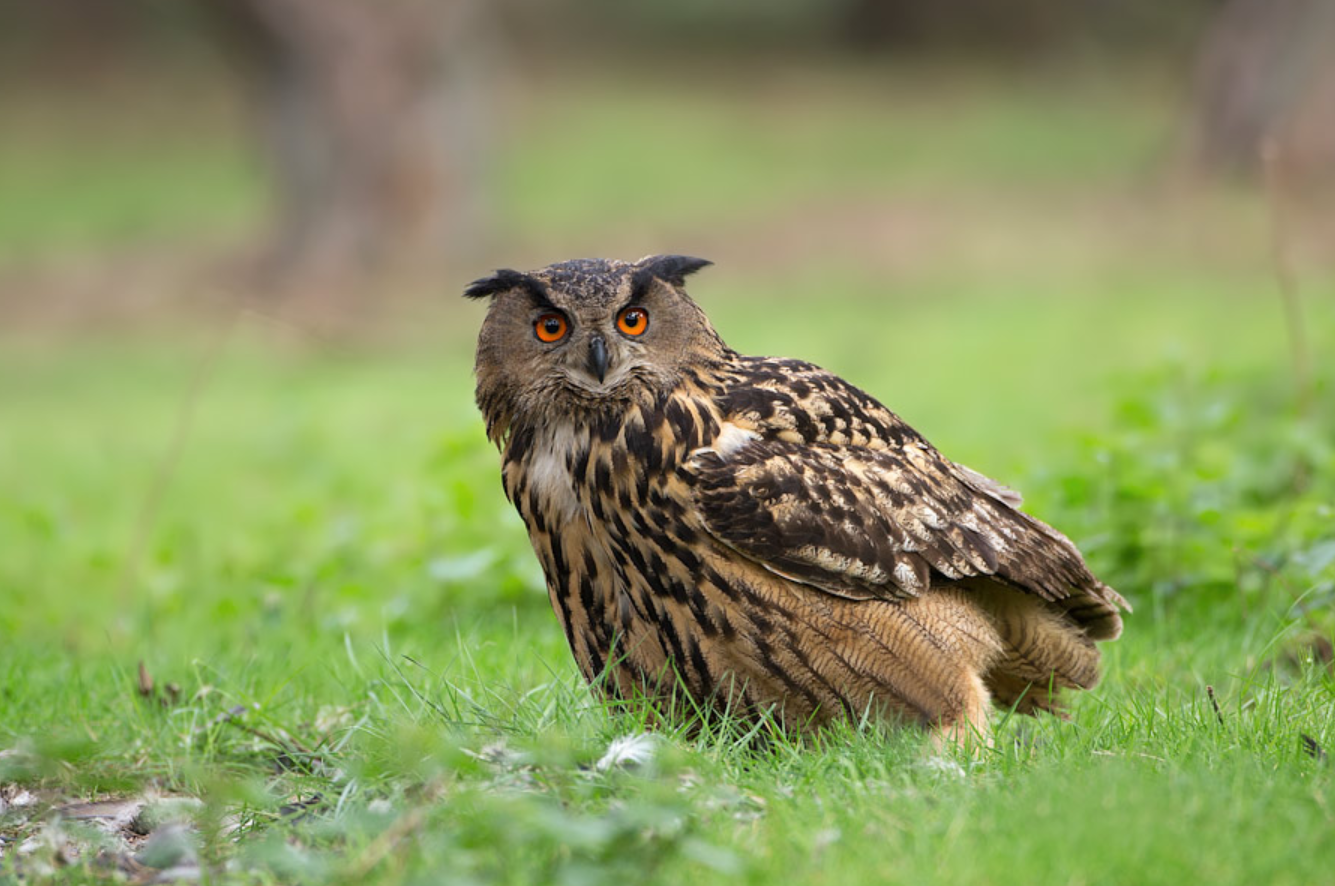

This 91-meter-high rock in Bad Segeberg has a beautiful viewpoint and is a breeding ground of the Grand-duc d'Europe.
The Segeberger Kalkberg is a 91-meter-high rock. Despite its name, it is not made of limestone but consists of gypsum and anhydrite, formed about 250 million years ago. It is a beautiful hill with many breeding birds in the mountain forest. The rock faces are breeding ground of the Grand-duc d'Europe. From the viewing terrace of the Noctalis bat house you have the best view of young and old Grand-duc d'Europe.
The Segeberger Kalkberg is located in the town of Bad Segeberg. The hill is easily accessible on foot from the town centre where there are numerous parking spaces. Press a P on the map for directions to a parking spot.
The Kalkberghöhle (Kalkberg Cave) beneath the rock is one of Europe’s largest bat habitats, sheltering around 30,000 bats during winter. The cave is home to nine bat species and the Segeberger Höhlenkäfer, a beetle found only here. The site is protected, and the cave is closed to visitors during winter to ensure the bats' hibernation remains undisturbed.
 ) Insérez les noms d'oiseau dans votre langue. Ils seront automatiquement traduits pour les autres usagers !
Votre feedback sera transmis à l’auteur.rice de cette zone et à l’équipe éditoriale de Birdingplaces, qui l’utiliseront pour améliorer la qualité des informations. (Vous souhaitez publier un commentaire visible en bas de page ? Fermez cette fenêtre et choisissez l’Option 1 : « Publier un commentaire, un conseil ou une observation ».)
Veuillez fournir des suggestions d'améliorations ou d'ajouts au texte de ce site ornithologique.
Veuillez fournir vos suggestions d'améliorations ou d'ajouts à la carte.
Veuillez fournir des suggestions d'améliorations ou d'ajouts à la liste des oiseaux.
Cliquez sur l'icône de l'oiseau () Insérez les noms d'oiseau dans votre langue. Ils seront automatiquement traduits pour les autres usagers !