

Charger images
Les formats d'image autorisés sont de type jpeg, png ou gif
La taille maximale du fichier doit être de 20MB
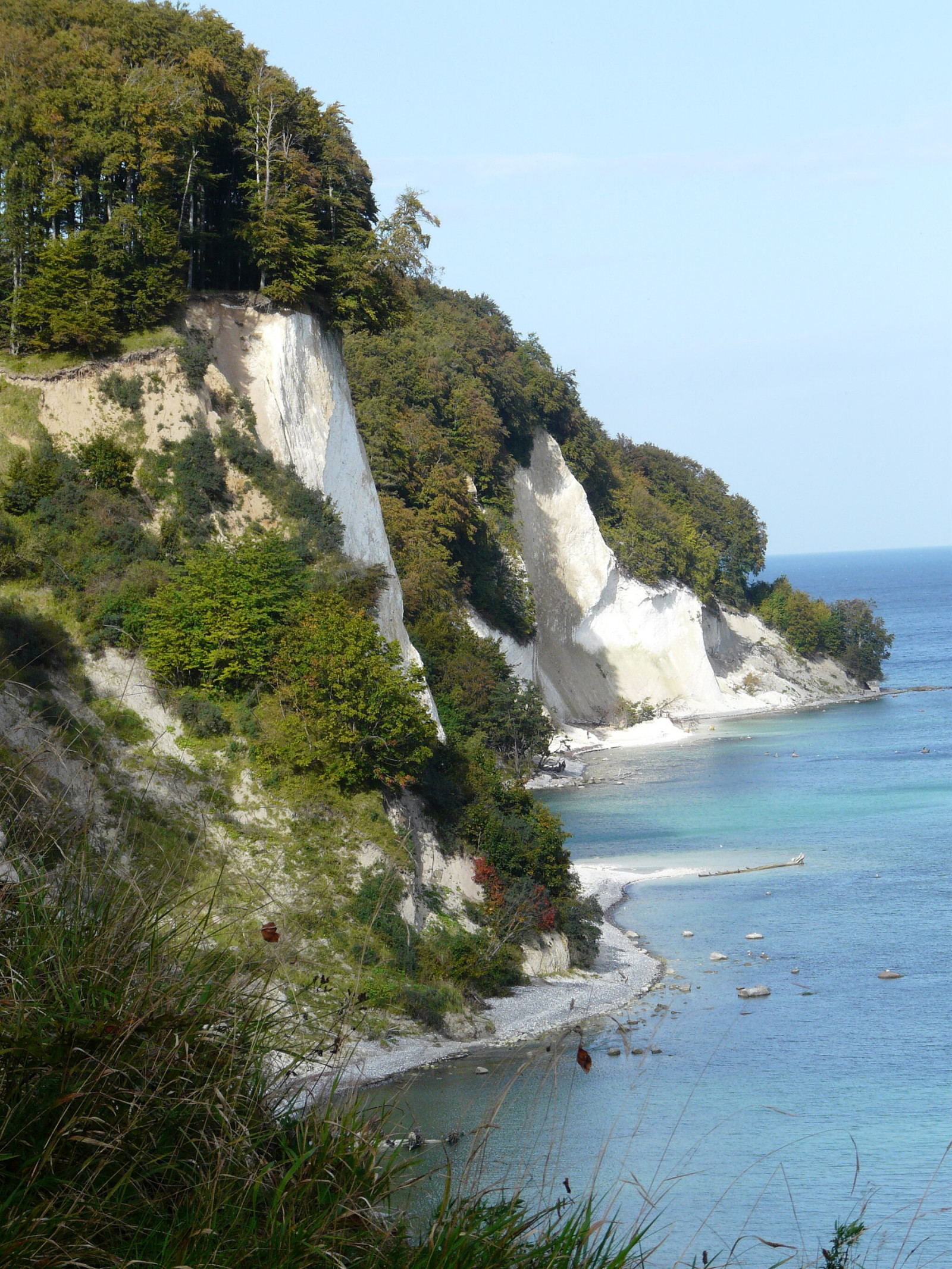

National park with the largest chalk cliffs in Germany and old beech forests.
National park Jasmund is located in the east of the island of Rügen. It is famous for its impressive, millennia-old chalk cliffs and its rustic beech forests. The cliffs are the largest chalk cliffs in Germany, the highest of which is Königsstuhl (King's chair), rising to 118 m above the Baltic Sea.
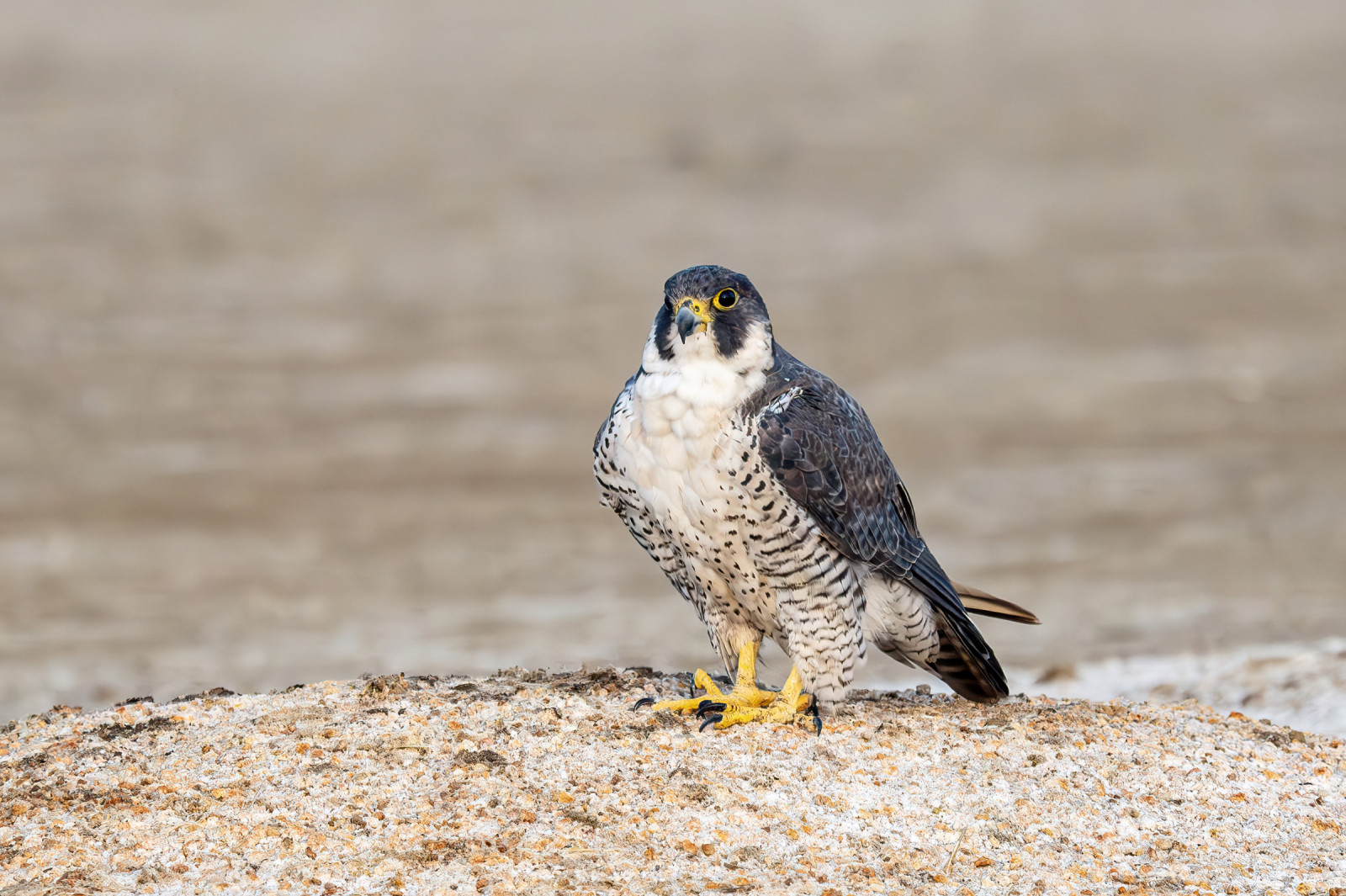
Typical forest birds such as the Rougegorge familier can be observed here. But rarer forest birds such as Pic noir can also be observed. Rarities that can be regularly observed here are Gobemouche nain and Pouillot verdâtre. In addition, the Faucon pèlerin breeds on the chalk cliffs.
Many migratory birds can be observed in front of the chalk cliffs, and for some time now the Fou de Bassan have also been seen frequently. It is not uncommon to see Plongeon arctique and Pygargue à queue blanche here.
Nationalpark Jasmund is located on the Jasmund peninsula, in the northeast of the island of Rügen. Access is possible by bus, but only as far as the National Park Center. If you arrive by car you can park close to the National Park Center. Press P on the map for directions to the parking. The area itself can only be entered on foot. You can make a circular walk or just follow the coastline. The route that is shown on the map is the walk along the coast (7 km, one way).
 ) Insérez les noms d'oiseau dans votre langue. Ils seront automatiquement traduits pour les autres usagers !
Votre feedback sera transmis à l’auteur.rice de cette zone et à l’équipe éditoriale de Birdingplaces, qui l’utiliseront pour améliorer la qualité des informations. (Vous souhaitez publier un commentaire visible en bas de page ? Fermez cette fenêtre et choisissez l’Option 1 : « Publier un commentaire, un conseil ou une observation ».)
Veuillez fournir des suggestions d'améliorations ou d'ajouts au texte de ce site ornithologique.
Veuillez fournir vos suggestions d'améliorations ou d'ajouts à la carte.
Veuillez fournir des suggestions d'améliorations ou d'ajouts à la liste des oiseaux.
Cliquez sur l'icône de l'oiseau () Insérez les noms d'oiseau dans votre langue. Ils seront automatiquement traduits pour les autres usagers !