


Charger images
Les formats d'image autorisés sont de type jpeg, png ou gif
La taille maximale du fichier doit être de 20MB

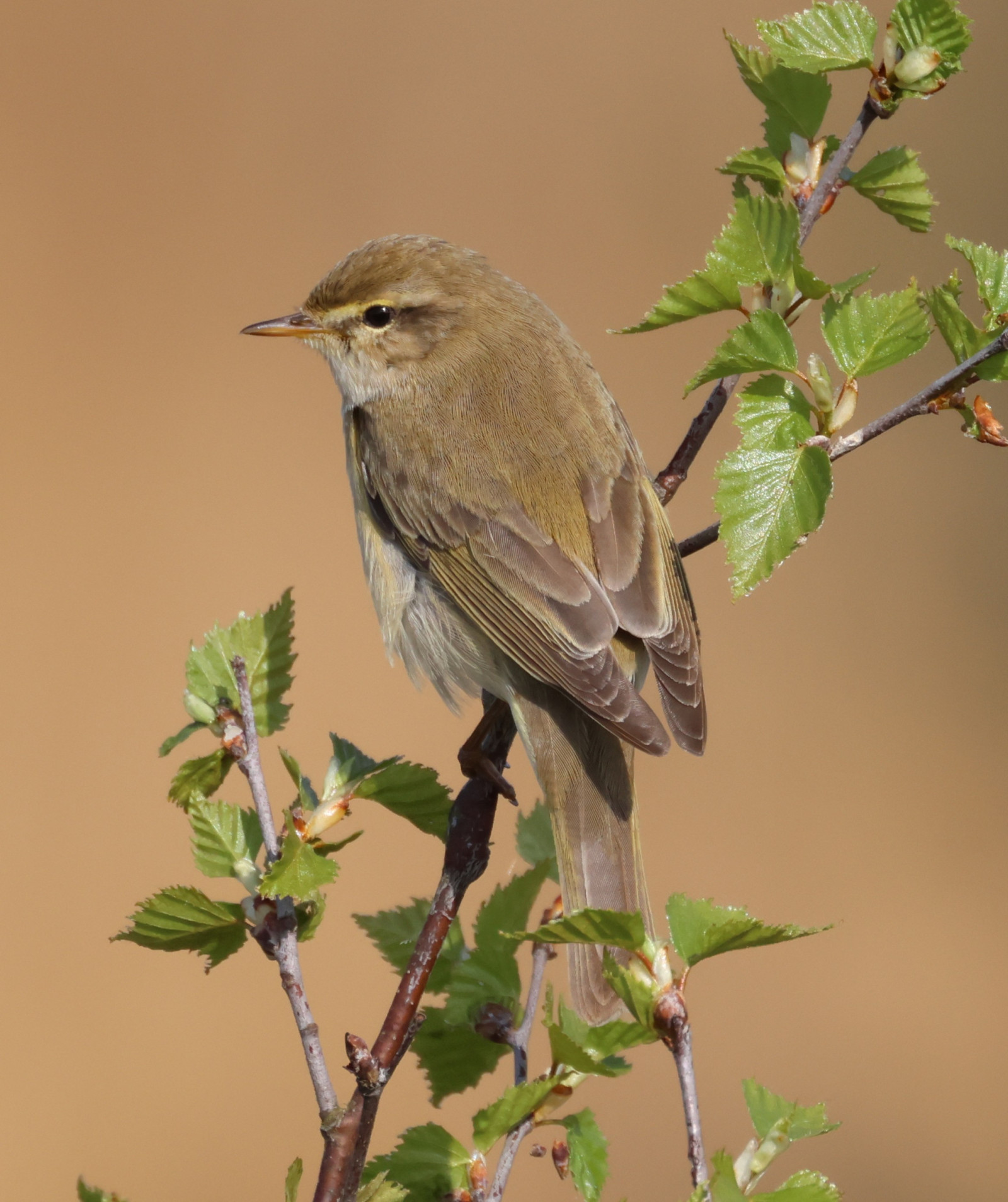
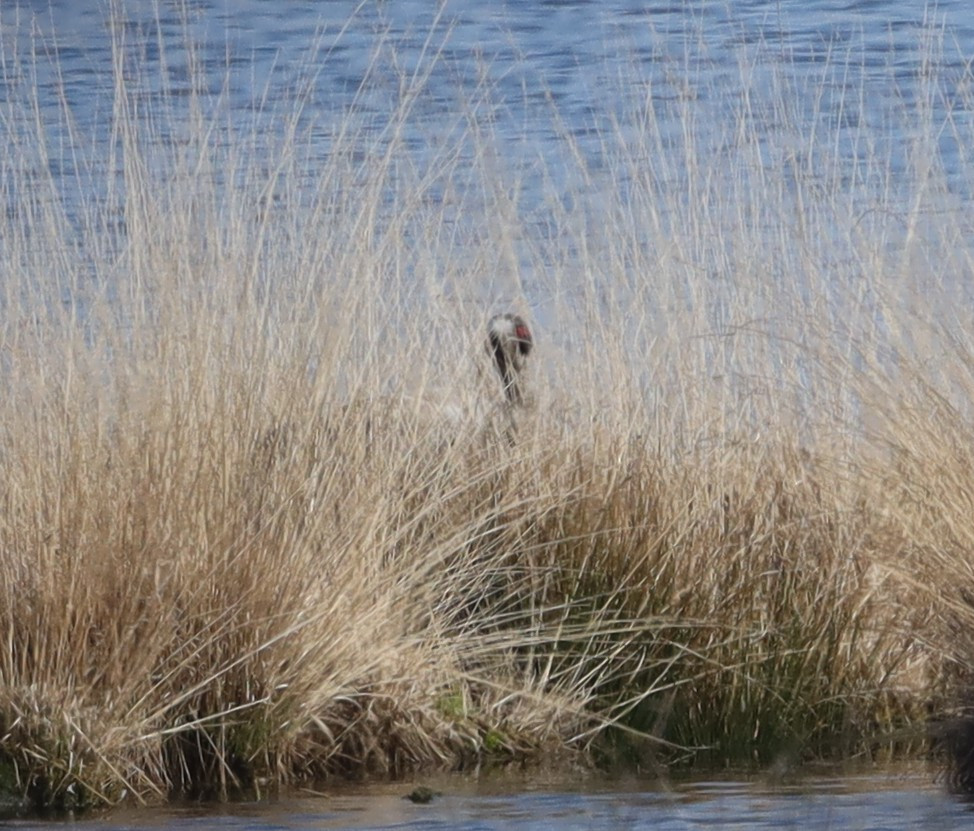
Moor area with a still intact raised bog remnant of 1.5 square kilometre. During migration large groups of Grue cendrée make a stop in the area.
Part of the Huvenhoopsmoor raised bog has been completely spared from drainage and peat extraction to this day. As early as the 1960s, the intact remains were separated from the surrounding areas by a watertight sheet pile wall to prevent them from drying out in the course of drainage in the surrounding area. The 1.5 square kilometre intact remainder is largely open terrain with very few trees. The raised bog area may not be entered, but is clearly visible from an observation stand at the end of a trail.
Grue cendrée is breeding in the Huvenhoopsmoor. In addition, you can find Faucon hobereau, Pie-grièche écorcheur, Coucou gris, Vanneau huppé, Bécassine des marais, Grèbe castagneux, Busard des roseaux, Milan royal, Tarier pâtre, Bruant jaune, Bruant des roseaux, geese and many species of ducks. There are also over 20 species of dragonflies.
During Grue cendrée migration in spring and autumn many Grue cendrée rest for a few days in the Huvenhoopsmoor. During this time, the bog is populated by several thousand Grue cendrée that feed on harvested fields in the area.
The Huvenhoopsmoor is located 8 km east of the town of Gnarrenburg. The easiest way to reach Huvenhoopsmoor is to follow signs to 'Naturschutzgebiet Huvenhoopsmoor' from Gnarrenburg. Parking is available near the trail (1) to the outlook platform. Press P on the map for directions to the parking. A bit further north is another parking near the educational trail Moorerlebnispfad (2) and the lake Huvenhoopssee (3). Public transport: the closest train station is in Gnarrenburg.
 ) Insérez les noms d'oiseau dans votre langue. Ils seront automatiquement traduits pour les autres usagers !
Votre feedback sera transmis à l’auteur.rice de cette zone et à l’équipe éditoriale de Birdingplaces, qui l’utiliseront pour améliorer la qualité des informations. (Vous souhaitez publier un commentaire visible en bas de page ? Fermez cette fenêtre et choisissez l’Option 1 : « Publier un commentaire, un conseil ou une observation ».)
Veuillez fournir des suggestions d'améliorations ou d'ajouts au texte de ce site ornithologique.
Veuillez fournir vos suggestions d'améliorations ou d'ajouts à la carte.
Veuillez fournir des suggestions d'améliorations ou d'ajouts à la liste des oiseaux.
Cliquez sur l'icône de l'oiseau () Insérez les noms d'oiseau dans votre langue. Ils seront automatiquement traduits pour les autres usagers !