


Charger images
Les formats d'image autorisés sont de type jpeg, png ou gif
La taille maximale du fichier doit être de 20MB
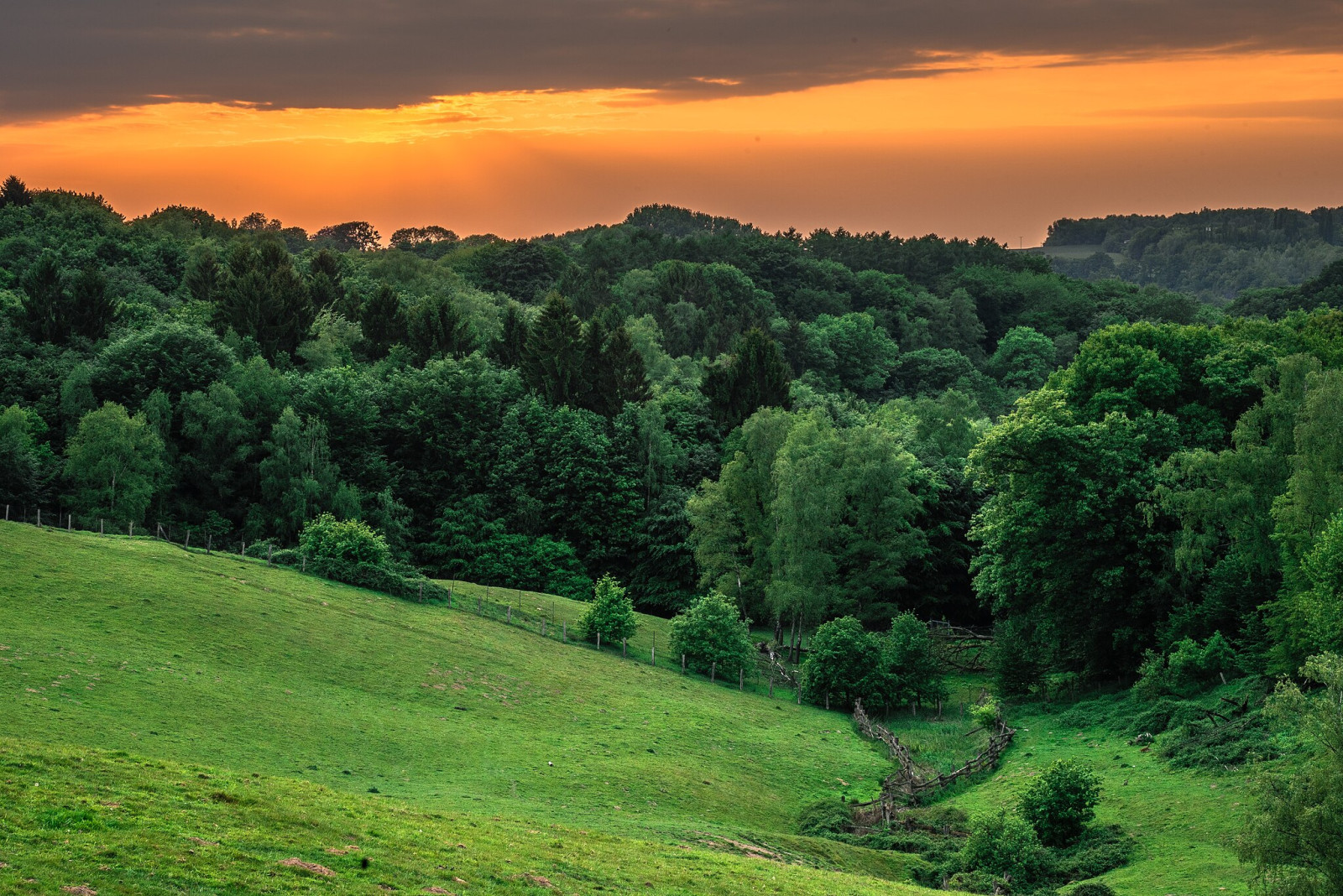


This wildlife reserve creates a diverse connection between the beech wood of the Neandertal valley, higher lying madows and park like structures.
A walk around the wildlife reserve Eiszeitliches Wildgehege through the Neandertal valley along the Düssel river and back along the meadows is quite nice on it's own and offers opportunities to see a variety of birds. About 125 bird species have been recorded in the area, with about 75 of them beeing quite regular at some time of the year. An average visit in the summer half year can usually result in about 30 species. A walk around the wildlife reserve can be combined with a visit to the Neanderthal Museum.
In the beech forest Pic mar and in some years Pic noir are resident. Bergeronnette des ruisseaux and Martin-pêcheur d'Europe are both common along the Düssel river, with the latter beeing more often heard than seen. Cincle plongeur also used to be common along the river, but in recent years they are only regular at the main road bridge right in front of the museum.
In the hedges along the meadows Bruant jaune and Fauvette grisette are breeding. Étourneau sansonnet, Bergeronnette grise, Grive draine, Pic vert, Faucon crécerelle and Buse variable search the meadows for food. Milan royal can often be seen over the valley during the summer half year.
The fences, trees and bushes around the game reserve and on the nearby Parkfriedhof are popular resting spots for migrating passerines such as: Rougequeue à front blanc, Gobemouche gris, Gobemouche noir and Pipit des arbres and more rarely: Tarier des prés, Tarier pâtre and Traquet motteux. In the meadows during migration sometimes Pipit farlouse and Bergeronnette printanière search for food.
The meadows at the edge of the valley can also be good viewing points for autumn migration. On good migration days hundreds of Grive litorne, Grive mauvis, Alouette des champs, Pipit farlouse, Pinson des arbres, Pinson du Nord and Étourneau sansonnet can be seen migrating through. In lesser number birds like Alouette lulu and Épervier d'Europe can be observed and there is always the chance for someting special.
In winter alder trees in the valley can lure in big groups of Tarin des aulnes. Around March huge amounts of ivy in the neandertal valley often supports several hundred of Grive mauvis for a couple weeks.
Close to the game reserve on Diepensiepen 6 in the Neandertal valley lies a pond with a tiny little island. On it stands a single weeping willow with about 10 pairs of Héron cendré nesting on it. It's a very picturesque view, popular with photographers.
Eiszeitliches Wildgehege Neandertal is located just outside Düsseldorf, close to the highways A46 and A3. Parking is possible either at the Neanderthal Museum or at the Parkfriedhof in Hochdahl. Press a P on the map for directions. You can access the area with train from Düsseldorf HBF. Take the S8 towards Hagen/Wuppertal until Hochdahl Millrath (marked 1 on the map) or the S28 toward Mettmann/Wuppertal until Neandertal Museum, with a little walk you end at the starting parking spots for the cars.
Acces to the area is best by food. The walk around the reserve features several inclines with steep wooden steps. You should take about 3 hours for a walk around the area. If you want to watch autumn migration, take as much time as you can. A spotting scope is usefull, if you want to search all fencepoles for passerines.
The Cafe Op dem Kamp along the way, gives a good opportunity for a break with coffee and homemade cake.
The Eiszeitliches Wildgehege Neandertal is a wildlife park where animals from the Ice Age are kept in large, natural enclosures. You can find European bison (wisent), Heck cattle, and Heck horses. The wildlife park is free to enter. You can visit at any time, as the wildlife park is always accessible.
 ) Insérez les noms d'oiseau dans votre langue. Ils seront automatiquement traduits pour les autres usagers !
Votre feedback sera transmis à l’auteur.rice de cette zone et à l’équipe éditoriale de Birdingplaces, qui l’utiliseront pour améliorer la qualité des informations. (Vous souhaitez publier un commentaire visible en bas de page ? Fermez cette fenêtre et choisissez l’Option 1 : « Publier un commentaire, un conseil ou une observation ».)
Veuillez fournir des suggestions d'améliorations ou d'ajouts au texte de ce site ornithologique.
Veuillez fournir vos suggestions d'améliorations ou d'ajouts à la carte.
Veuillez fournir des suggestions d'améliorations ou d'ajouts à la liste des oiseaux.
Cliquez sur l'icône de l'oiseau () Insérez les noms d'oiseau dans votre langue. Ils seront automatiquement traduits pour les autres usagers !