



Charger images
Les formats d'image autorisés sont de type jpeg, png ou gif
La taille maximale du fichier doit être de 20MB
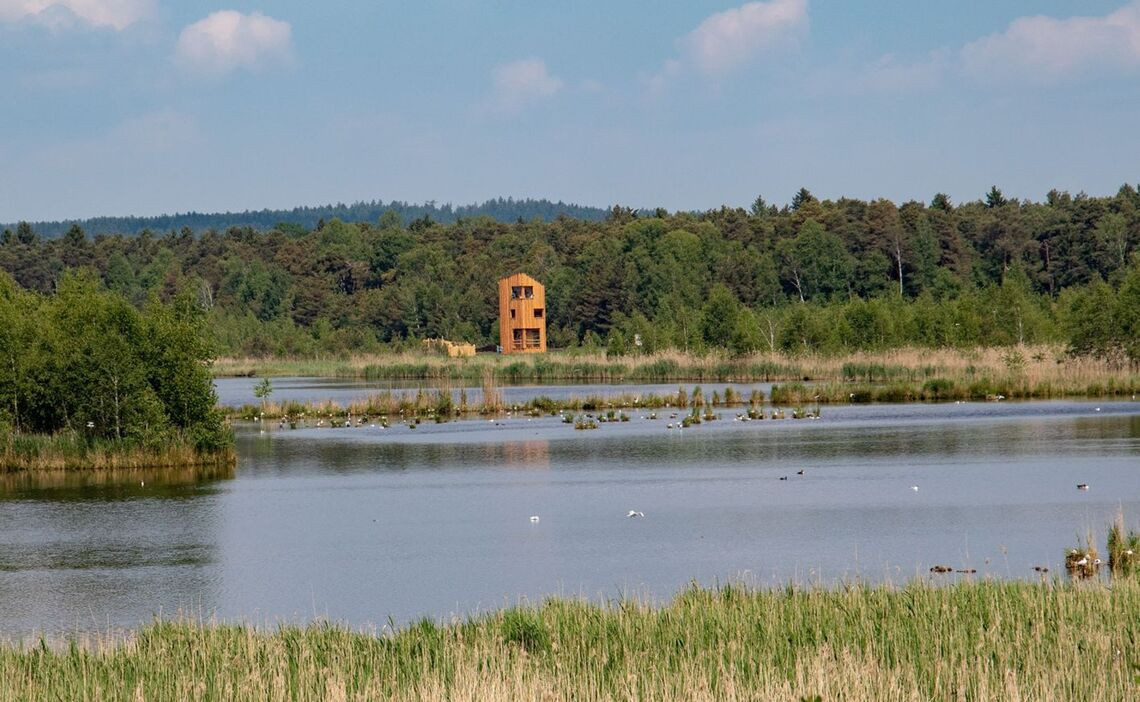
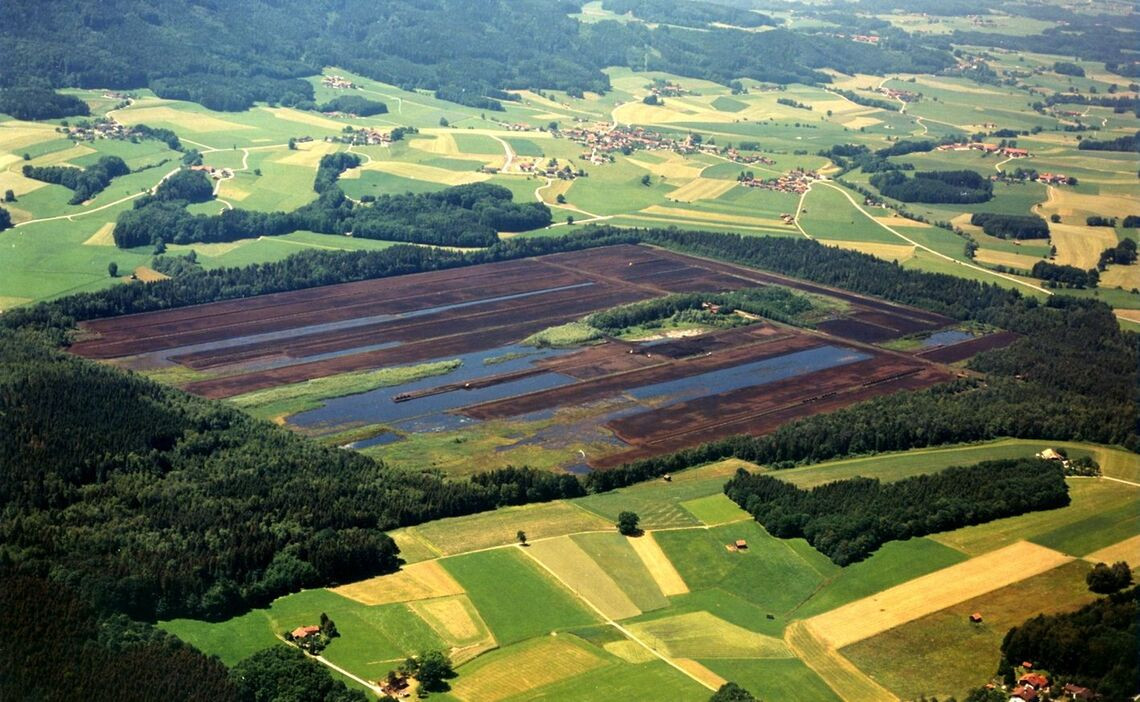
Moorland of 250 hectares belonging to the Ainringer and Peracher Moos landscape protection area. A wide variety of water birds can be found.
The Ainringer Moos has its origins in the last ice age around 12,000 years ago. Dead parts of plants formed peat layer by layer. Peat mining began at the beginning of the 19th century. Renaturation began in the 1990s and the area was waterlogged again by closing the drainage ditches. Reed zones and bushy areas with birch trees formed. A circular moorland trail with a viewing tower was created.
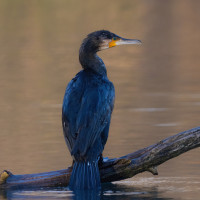
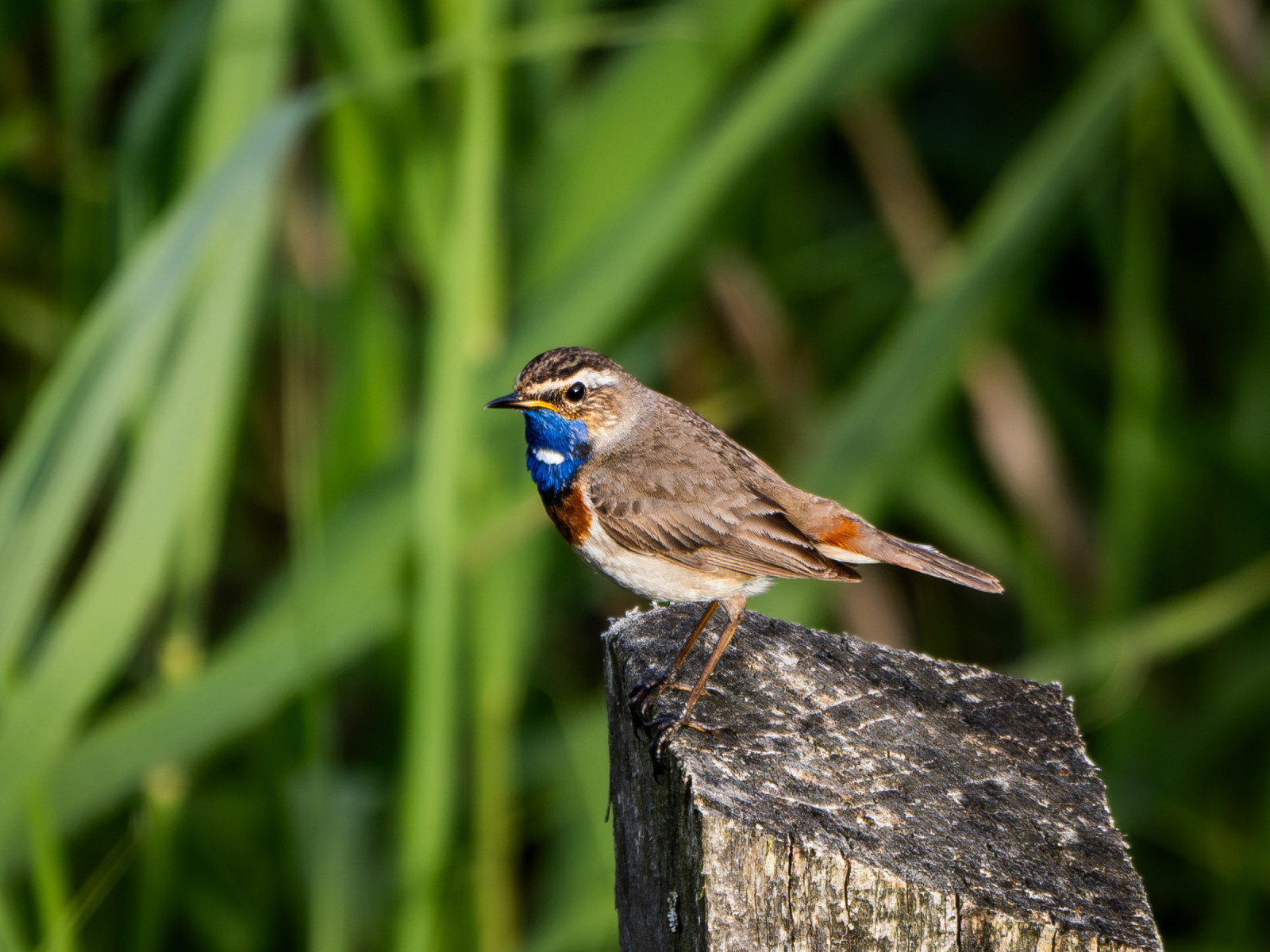
The Ainringer Moos is an important stopover for many migratory birds and an important breeding habitat for numerous bird species. These include waders, herons, ducks and geese. Among the birds you can encounter are Grande Aigrette, Grèbe castagneux, Grèbe huppé, Vanneau huppé, Chevalier aboyeur, Grand Cormoran, Coucou gris, Tourterelle des bois, Gorgebleue à miroir, Mésange huppée, Bruant jaune, Sarcelle d'été and Busard des roseaux.
The Ainringer Moos is located west of the village of Ainring. The area can be reached via several roads. Parking is available at the Ainring swimming pool, Schwimmbadstraße 13, 83404 Ainring and at the old peat station in Mühlreit on the B 304. Click on a P in the map for directions. The circular walking route indicated on the map is about 4 km. If you do a circular walk from the Ainring swimming pool parking it is about 7,5 km.
 ) Insérez les noms d'oiseau dans votre langue. Ils seront automatiquement traduits pour les autres usagers !
Votre feedback sera transmis à l’auteur.rice de cette zone et à l’équipe éditoriale de Birdingplaces, qui l’utiliseront pour améliorer la qualité des informations. (Vous souhaitez publier un commentaire visible en bas de page ? Fermez cette fenêtre et choisissez l’Option 1 : « Publier un commentaire, un conseil ou une observation ».)
Veuillez fournir des suggestions d'améliorations ou d'ajouts au texte de ce site ornithologique.
Veuillez fournir vos suggestions d'améliorations ou d'ajouts à la carte.
Veuillez fournir des suggestions d'améliorations ou d'ajouts à la liste des oiseaux.
Cliquez sur l'icône de l'oiseau () Insérez les noms d'oiseau dans votre langue. Ils seront automatiquement traduits pour les autres usagers !