Charger images
Les formats d'image autorisés sont de type jpeg, png ou gif
La taille maximale du fichier doit être de 20MB
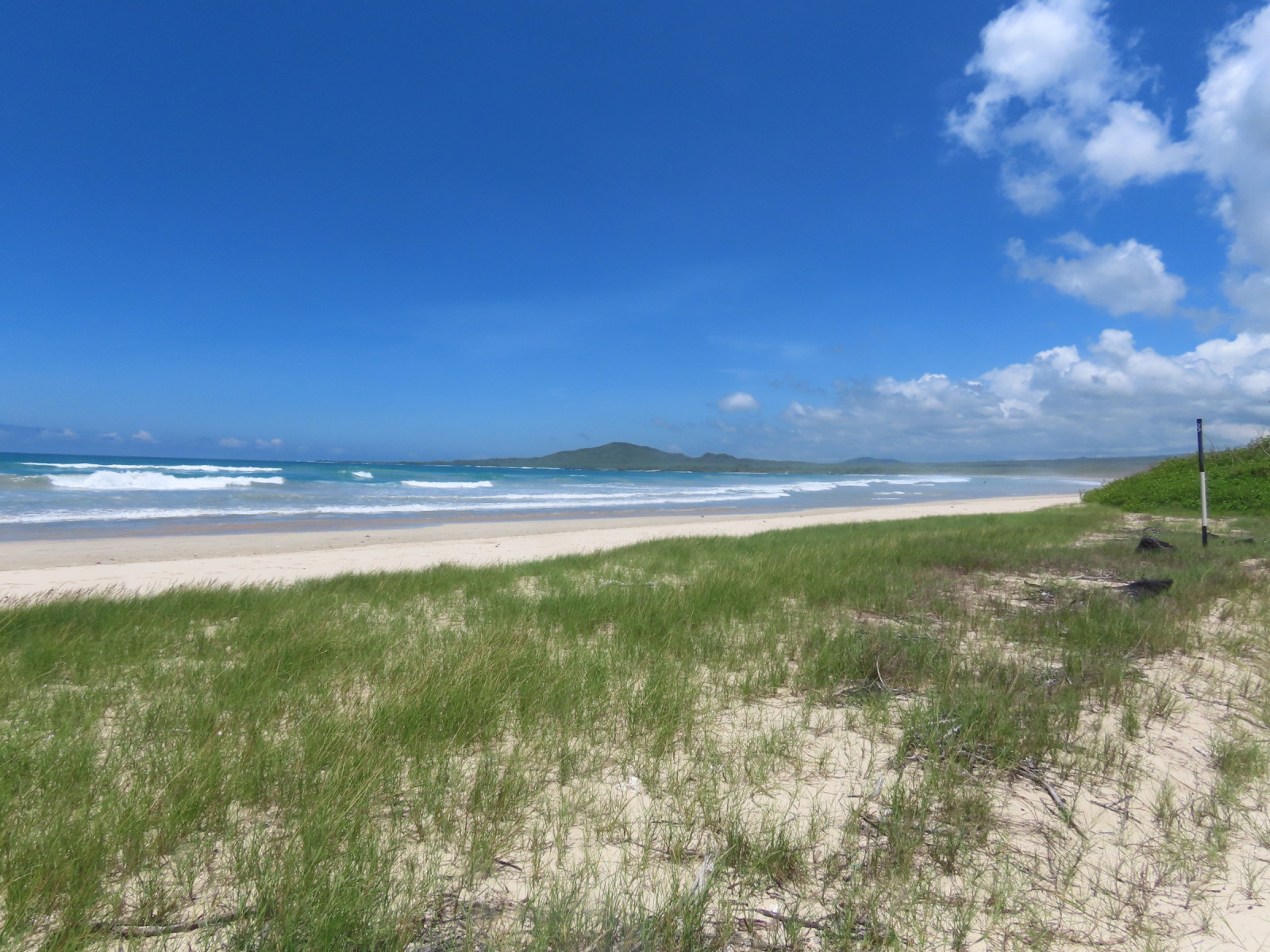
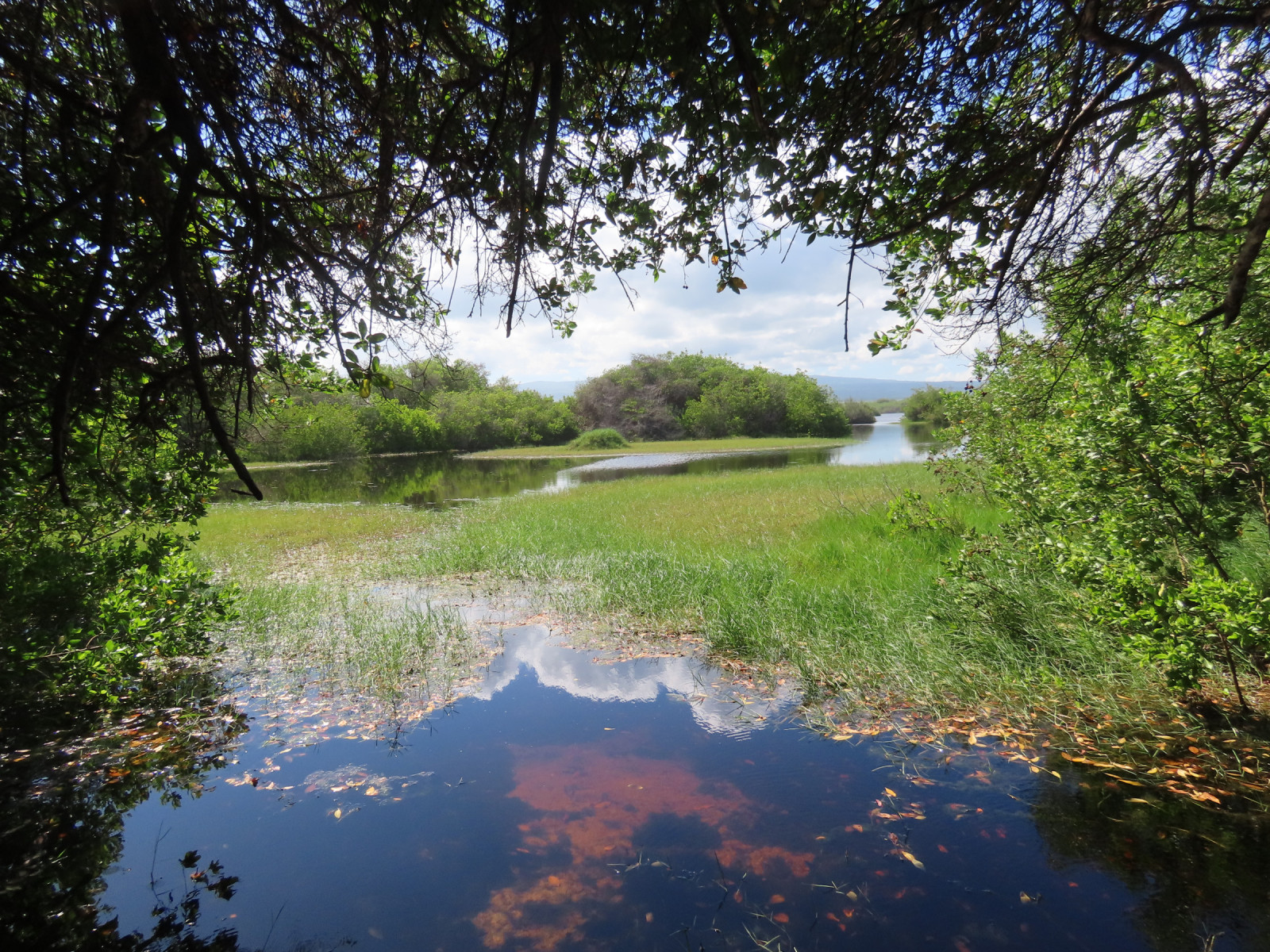
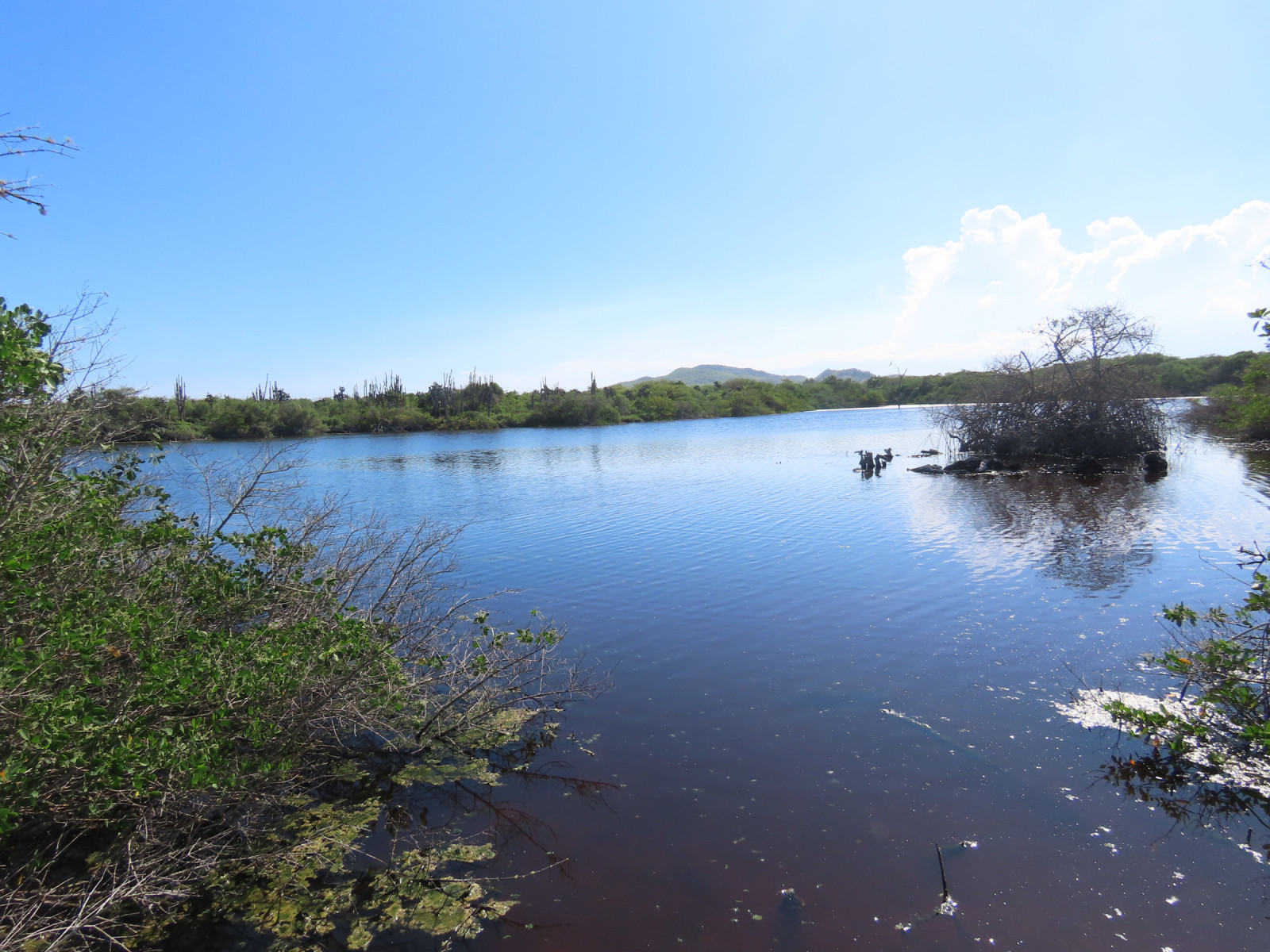
A free trail allowing visitors to discover the full fauna and flora of the Galapagos coastal and arid lowland ecosystems.
For most activities in the Galapagos islands, you must book a tour with an accredited guide, but the Camino de las Tortugas is open to all visitors during the day, for free (although guided tours are also offered). It's best to walk this trail very early in the morning, as soon as the sun rises, because most birds in the region become far less active during the hottest times of the day.
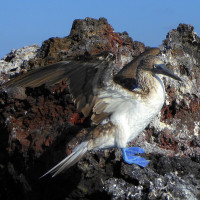
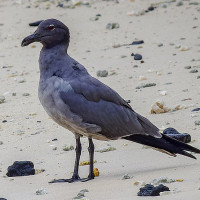
The full trail, which starts at the edge of Puerto Villamil following the coastline then goes on to the wall of tears, is the best way to familiarise yourself with the wildlife of Santa Isabela's coasts. The beach is often frequented at low tide by many wader and gull species, and numerous seabirds can also be spotted from the beaches or some of the rocky coastal viewpoints further along, for example Lava Gull , Blue-footed Booby , Hudsonian Whimbrel , Grey Plover , Semipalmated Plover , and Wandering Tattler.
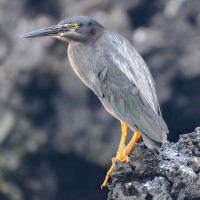
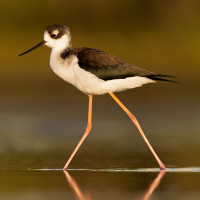
Further along, the trail passes by large brackish lagoons that serve as feeding grounds for herons and waders such as Striated Heron , Great Egret and Black-necked Stilt. These are surrounded by mangrove ecosystems that are a good place to see Yellow Warbler and Galapagos Flycatcher.
After the mangrove areas, the landscape becomes very arid and rocky, with opuntias and shrubs. This area harbours species such as Galapagos Mockingbird , Small Ground-Finch , Medium Ground-Finch , and Common Cactus-Finch. The trail is also a great place to be up close with the famous giant turtles of the archipelago, which often feed on the vegetation by the roadside.
The path has multiple observation platforms and side-paths leading to beaches or deep inside mangrove areas and lagoons.
The path is marked by wooden road signs, just continue due West from Antonio Gil road as you leave Puerto Villamil. Cars can drive up to the checkpoint at mangrove point, then you can only proceed on foot or on a bicycle (there are bicycle rentals within the city). There are guided tours that use small busses, but these have to be booked in advance.
Under the warm tropical sun, it is a fairly tough walk, especially if you go to the three viewpoints in the hills behind the wall of tears, and so most people use bicycles. The gravel path is very flat, wide, and well-maintained, and should pose no problem. However it's perfectly possible on foot if you take regular breaks, bring enough water, and rest in one of the few rest areas placed in the shade under the trees.

 ) Insérez les noms d'oiseau dans votre langue. Ils seront automatiquement traduits pour les autres usagers !
Votre feedback sera transmis à l’auteur.rice de cette zone et à l’équipe éditoriale de Birdingplaces, qui l’utiliseront pour améliorer la qualité des informations. (Vous souhaitez publier un commentaire visible en bas de page ? Fermez cette fenêtre et choisissez l’Option 1 : « Publier un commentaire, un conseil ou une observation ».)
Veuillez fournir des suggestions d'améliorations ou d'ajouts au texte de ce site ornithologique.
Veuillez fournir vos suggestions d'améliorations ou d'ajouts à la carte.
Veuillez fournir des suggestions d'améliorations ou d'ajouts à la liste des oiseaux.
Cliquez sur l'icône de l'oiseau () Insérez les noms d'oiseau dans votre langue. Ils seront automatiquement traduits pour les autres usagers !