

Charger images
Les formats d'image autorisés sont de type jpeg, png ou gif
La taille maximale du fichier doit être de 20MB

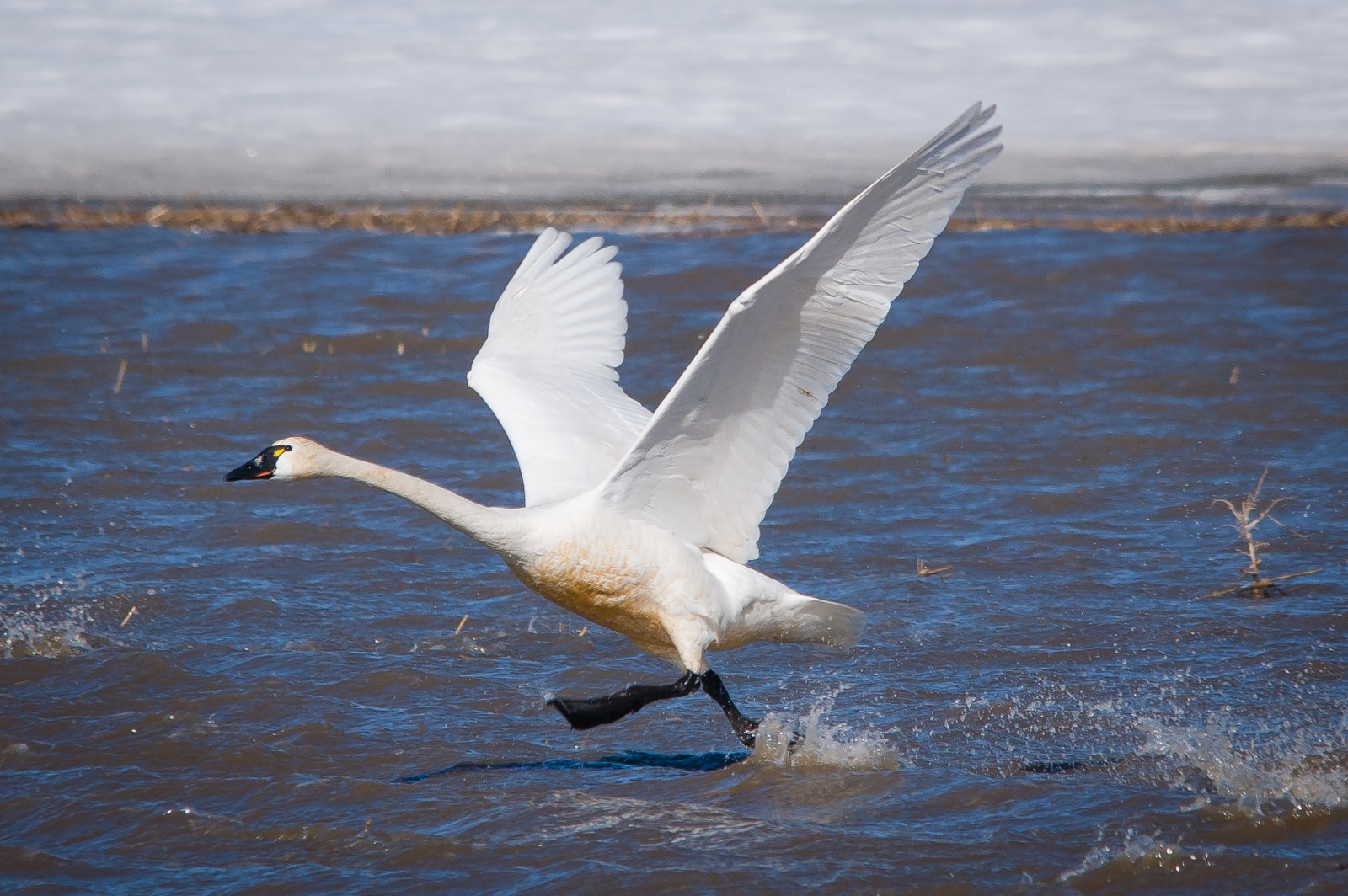
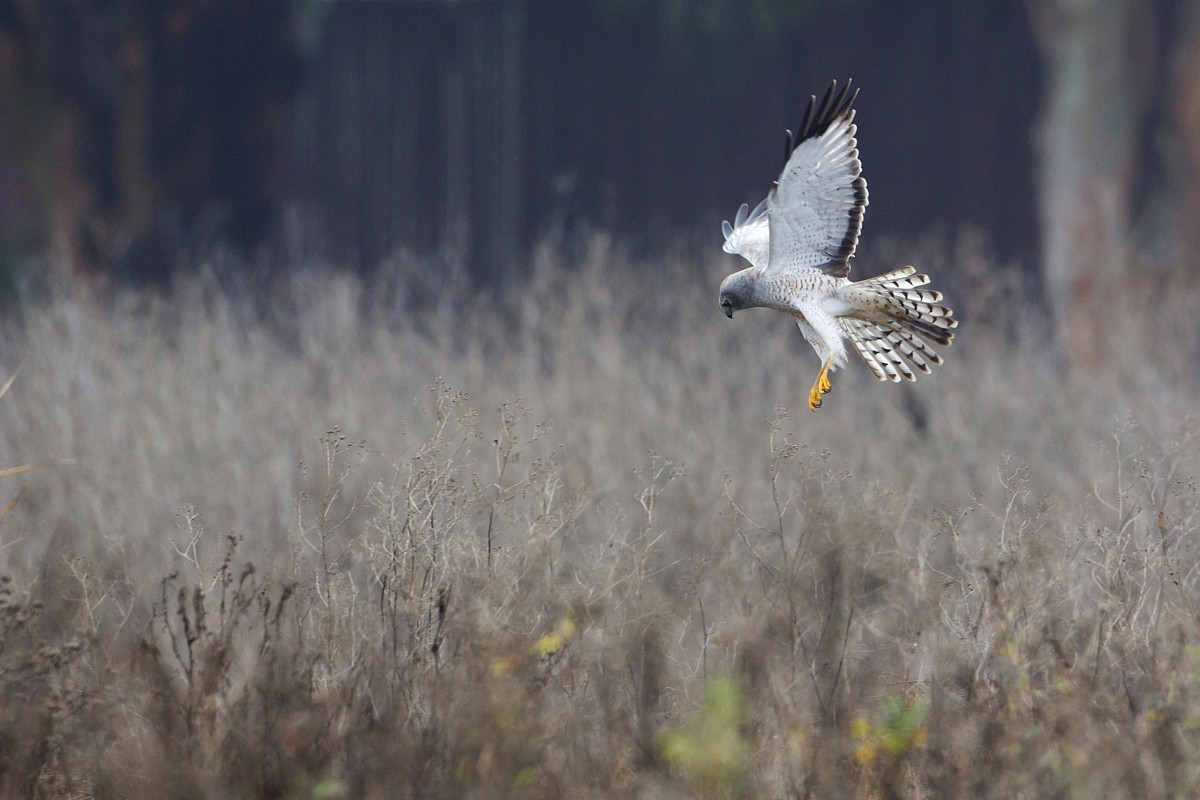
Key site for bird migration research, offering conservation efforts, educational programs, and birding opportunities.
Long Point Bird Observatory (LPBO) is a world-renowned birding hotspot located on the north shore of Lake Erie in Ontario, Canada. It is part of the Long Point Biosphere Reserve, a unique and ecologically rich area known for its diverse habitats and extraordinary bird migrations.
Long Point is a long, sandy peninsula that extends about 40 km into Lake Erie. The landscape is a mix of sand dunes, marshes, forests, and meadows, creating a variety of habitats that attract an incredible diversity of bird species.
Spring (March–May): A spectacular migration period with thousands of songbirds, including warblers like the Blackburnian Warbler, Chestnut-sided Warbler, and Scarlet Tanager. Waterfowl such as Blue-winged Teal and Northern Pintail are also common.
Summer (June–August): Breeding birds like the Prothonotary Warbler, Least Bittern, and Red-headed Woodpecker nest in the area. Ospreys and Bald Eagles can be seen fishing along the shoreline.
Fall (September–November): Massive raptor migration, including Broad-winged Hawks and Sharp-shinned Hawks. Warblers and thrushes pass through, along with impressive flocks of Sandhill Cranes.
Winter (December–February): Fewer birds, but hardy species like Snowy Owls, Rough-legged Hawks, and Northern Shrikes make for rewarding winter birding.
Long Point Bird Observatory (LPBO) is located in southwestern Ontario, Canada, along the north shore of Lake Erie. The observatory is part of the Long Point Biosphere Reserve and lies near the town of Port Rowan, approximately 2.5 hours from Toronto and 1 hour from London, Ontario by car.
By car, take Highway 401 to Woodstock, then exit onto Highway 59 south toward Norwich and Port Rowan. From Port Rowan, continue on Long Point Road (Highway 59) to Long Point. Parking is available near Old Cut Research Station, one of LPBO’s main bird monitoring sites. Press P on the map for directions.
Many trails and observation areas, such as those around the Old Cut Research Station, are best explored on foot.
 ) Insérez les noms d'oiseau dans votre langue. Ils seront automatiquement traduits pour les autres usagers !
Votre feedback sera transmis à l’auteur.rice de cette zone et à l’équipe éditoriale de Birdingplaces, qui l’utiliseront pour améliorer la qualité des informations. (Vous souhaitez publier un commentaire visible en bas de page ? Fermez cette fenêtre et choisissez l’Option 1 : « Publier un commentaire, un conseil ou une observation ».)
Veuillez fournir des suggestions d'améliorations ou d'ajouts au texte de ce site ornithologique.
Veuillez fournir vos suggestions d'améliorations ou d'ajouts à la carte.
Veuillez fournir des suggestions d'améliorations ou d'ajouts à la liste des oiseaux.
Cliquez sur l'icône de l'oiseau () Insérez les noms d'oiseau dans votre langue. Ils seront automatiquement traduits pour les autres usagers !