
Charger images
Les formats d'image autorisés sont de type jpeg, png ou gif
La taille maximale du fichier doit être de 20MB
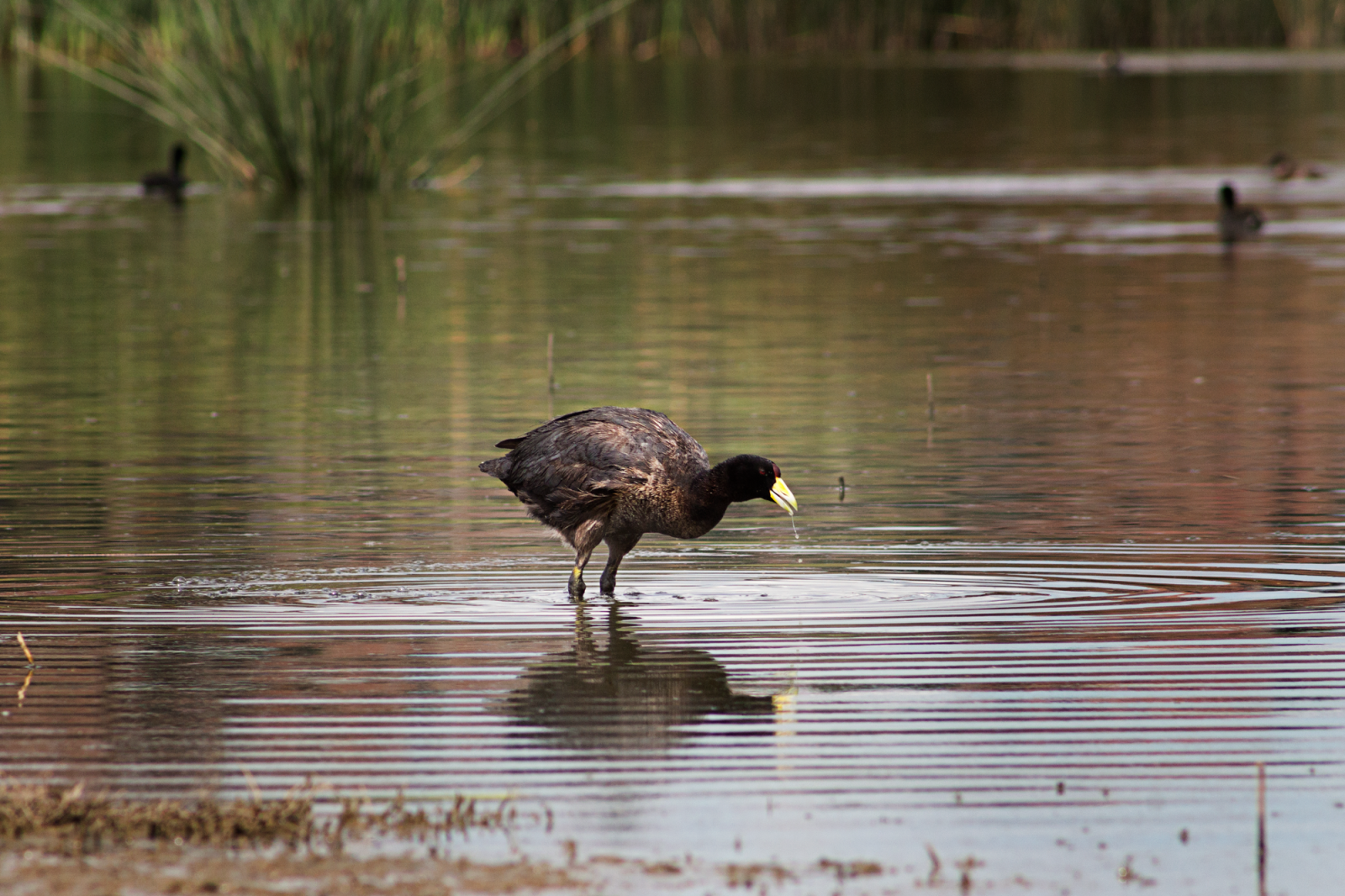
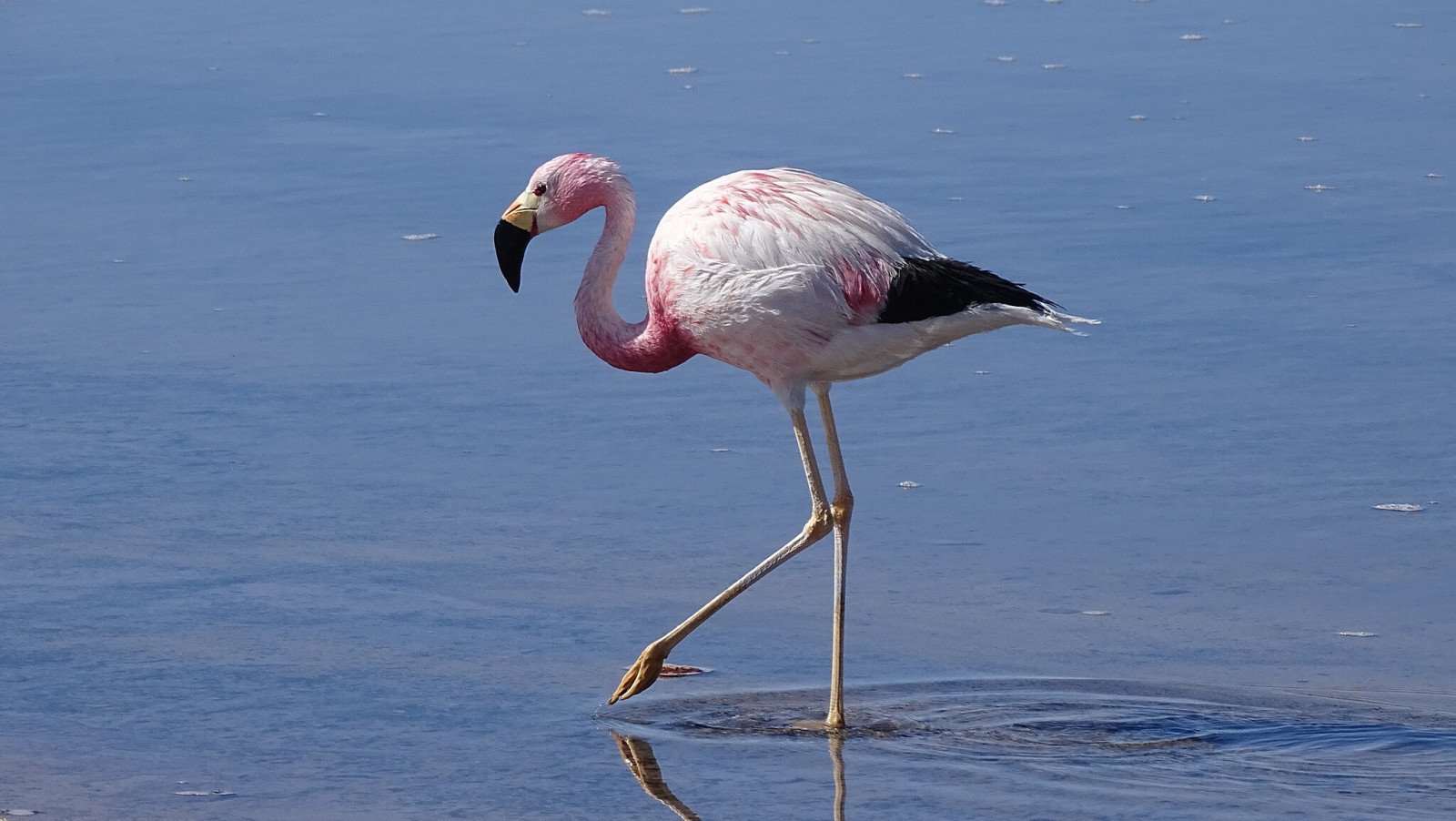

Lake in the city of Cochabamba and easily accessible from the airport. It is situated at an altitude of 2,570 meters and is home to more than 180 bird species.
Laguna Alalay is located in a high valley at a transition zone between the tropical cloud and mountain forests of Chapares and the high Andean habitats, such as those of Tunari National Park. It offers interesting observation opportunities in every season and is easily accessible (although the trails should only be used after registration or consultation with the local officers of the Guardia Ambiental (headquarters on the northern edge of the lake, marked 1 on the map). More than 250 bird species have been recorded there.
The area is home to more than 70 breeding bird species, the most common of which are Ruddy Duck, White-cheeked Pintail, Yellow-billed Pintail, Andean Coot, Common Gallinule, Cattle Egret, Black-necked Stilt and White-tufted Grebe.
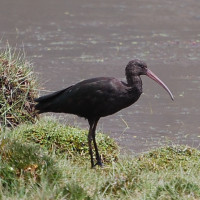
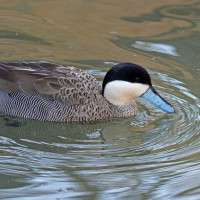
Seven Andean endemics breed: Puna Teal, Silvery Grebe, Puna Ibis, Puna Plover, Andean Avocet, Bare-faced Ground Dove and Brown-backed Mockingbird. One endemic species for Central and South America: Yellow-chevroned Parakeet. And one endemic species for Bolivia: Bolivian Blackbird.
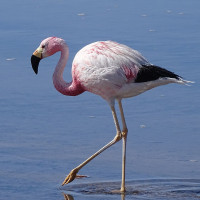
In addition, the area can hold surprises during migration. Andean Flamingo, James's Flamingo, Chilean Flamingo, Andean Lapwing and Roseate Spoonbill use Laguna Alalay as a resting place, as do waders of the species Lesser Yellowlegs, Greater Yellowlegs and Wilson's Phalarope.
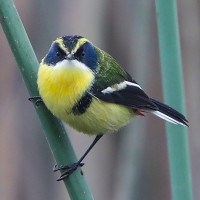
Particularly attractive species that can be observed include Sparkling Violetear, Glittering-bellied Emerald, Red-tailed Comet, Southern Caracara, Roadside Hawk, Red-crested Cardinal and Many-colored Rush Tyrant.
Laguna Alalay is located on the east side of the city of Cochabamba. The lake is accessible from all sides because it is surrounded by a road, the Circuito Bolivia. There are no designated parking areas, but cars can be parked at various spots along the edge. The walk around the lake is about 7 km.
The area has been severely affected by (plastic) pollution in the surrounding area and the introduction of wastewater, which can lead to algal blooms, unpleasant odors, and fish mortality. Land acquisition for recreational use (adjacent soccer fields), uncontrolled burning of reeds, and dogs running loose have all endangered reed-nesting bird species.
 ) Insérez les noms d'oiseau dans votre langue. Ils seront automatiquement traduits pour les autres usagers !
Votre feedback sera transmis à l’auteur.rice de cette zone et à l’équipe éditoriale de Birdingplaces, qui l’utiliseront pour améliorer la qualité des informations. (Vous souhaitez publier un commentaire visible en bas de page ? Fermez cette fenêtre et choisissez l’Option 1 : « Publier un commentaire, un conseil ou une observation ».)
Veuillez fournir des suggestions d'améliorations ou d'ajouts au texte de ce site ornithologique.
Veuillez fournir vos suggestions d'améliorations ou d'ajouts à la carte.
Veuillez fournir des suggestions d'améliorations ou d'ajouts à la liste des oiseaux.
Cliquez sur l'icône de l'oiseau () Insérez les noms d'oiseau dans votre langue. Ils seront automatiquement traduits pour les autres usagers !