




Charger images
Les formats d'image autorisés sont de type jpeg, png ou gif
La taille maximale du fichier doit être de 20MB
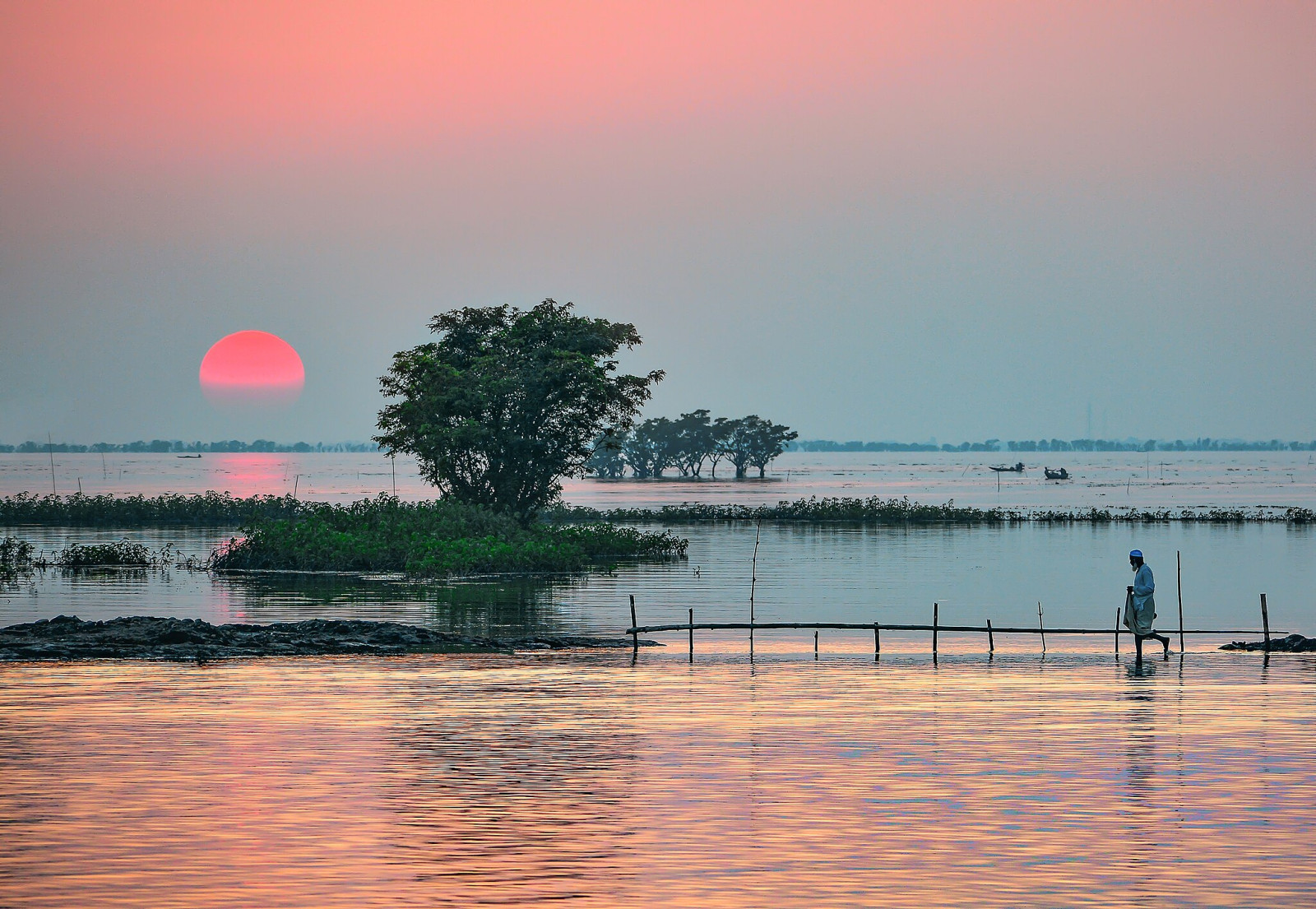

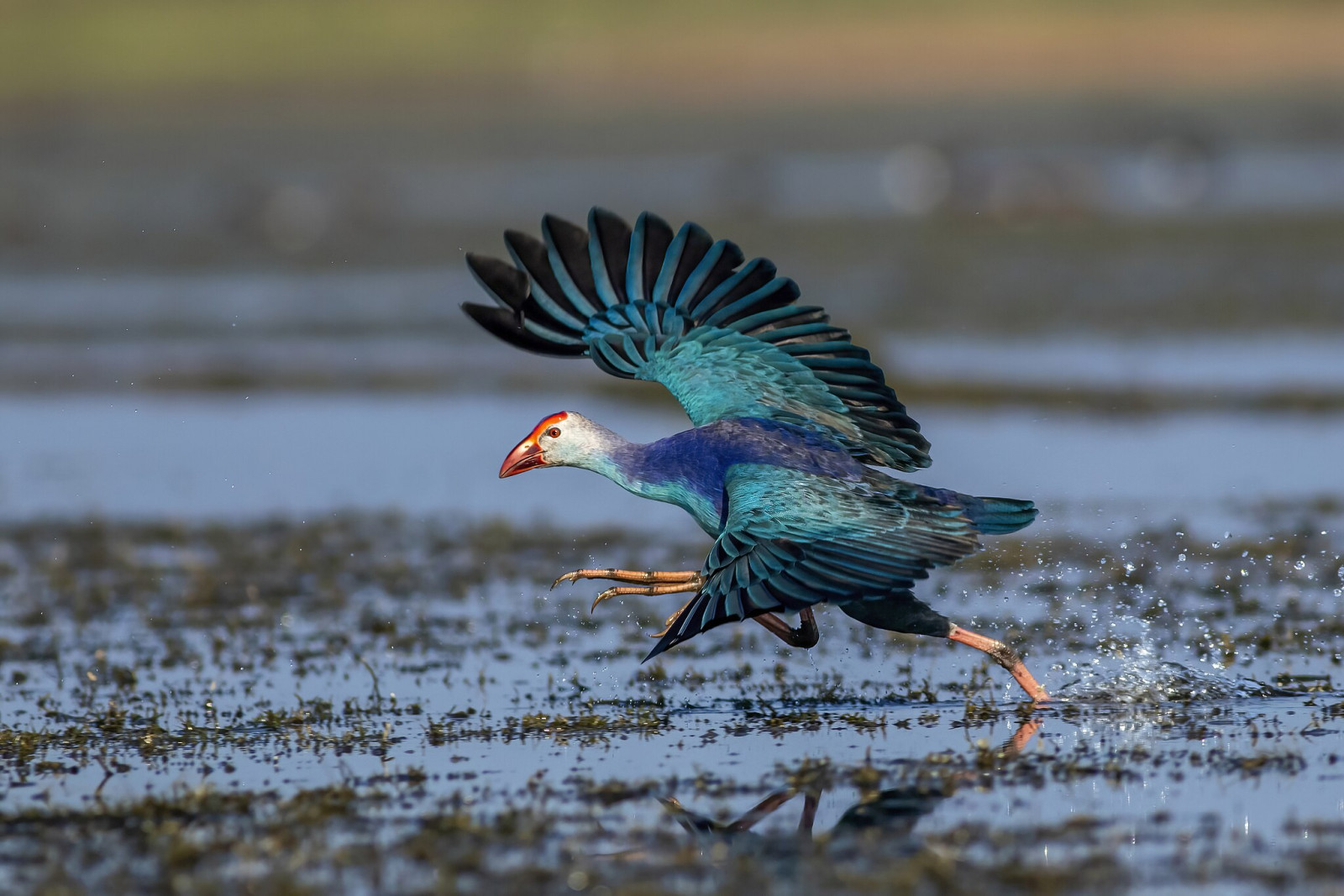
Situated in Sunamganj District of northeastern Bangladesh, a Ramsar site about 9,727 hectares, a mosaic of open water, rivers, beels (lakes), reed beds.
Tanguar Haor is one of the richest birding sites in Bangladesh and a Ramsar-listed wetland of international importance. It offers breathtaking scenery, abundant wildlife, and the chance to see both resident and migratory birds in large numbers.
The haor is a vast freshwater wetland, made up of open water bodies and beels (lakes) where thousands of ducks and waders gather. The flooded grasslands and reedbeds that provide shelter and nesting sites. The village edges and homestead vegetation around the haor attract small passerines. In the monsoon, the area turns into a huge inland sea, while in the dry season it becomes a mosaic of lakes, swamps, and agricultural fields.
In Winter (Nov–Feb) tens of thousands of migratory waterfowl arrive, including Baer's Pochard (Critically Endangered), Falcated Duck, Northern Pintail, Red-crested Pochard and Gadwall. You can also see large flocks of waders such as Black-tailed Godwit.
During the breeding season (spring and summer) resident waterbirds like Purple Heron, Grey-headed Swamphen and Indian Pond-Heron are common.
Year-round you can observe birds of prey such as Pallas's Fish-Eagle and Osprey, along with wetland specialists like Little Cormorant and Asian Openbill.
Tanguar Haor is located in Sunamganj District, in northeastern Bangladesh, close to the Indian border. The nearest big city is Sylhet, about 3–4 hours away by road. By public transport: You can take a bus from Sylhet to Sunamganj town. From there, local transport (auto-rickshaw or motorcycle) can bring you to the boat stations at Tahirpur (1) or Shaheb Bari Ghat (2), which are the main entry points to the haor.
By car: Private cars or hired vehicles can reach Sunamganj town (3), but you will need to switch to a boat for exploring the wetland itself. Parking is available in Sunamganj and at some local ghat (boat landings).
The haor is a water-based landscape and boats are the only way to properly explore the area. You can hire small country boats for day trips or larger houseboats for overnight stays.
To enjoy the scenery and birds properly, allow at least a full day. For the best experience, many visitors spend 2–3 days, especially in winter when large flocks of migratory birds gather.
Best season for birding is November to February, when huge numbers of migratory waterfowl arrive.
Unique cultural aspect: Local people live in stilt houses and depend almost entirely on fishing and wetland resources, offering a fascinating glimpse into haor life.
Scenic value: The haor lies at the foot of the Meghalaya Hills, so you can enjoy dramatic backdrops of rolling mountains, especially in the rainy season.
Tips for visitors: Bring binoculars, sun protection, and warm clothing in winter mornings. Hiring a local guide or boatman helps you reach the best birding spots.
Conservation note: Tanguar Haor is a Ramsar Site and Ecologically Critical Area. Please avoid disturbing birds, do not use plastic, and support community-based tourism.
 ) Insérez les noms d'oiseau dans votre langue. Ils seront automatiquement traduits pour les autres usagers !
Votre feedback sera transmis à l’auteur.rice de cette zone et à l’équipe éditoriale de Birdingplaces, qui l’utiliseront pour améliorer la qualité des informations. (Vous souhaitez publier un commentaire visible en bas de page ? Fermez cette fenêtre et choisissez l’Option 1 : « Publier un commentaire, un conseil ou une observation ».)
Veuillez fournir des suggestions d'améliorations ou d'ajouts au texte de ce site ornithologique.
Veuillez fournir vos suggestions d'améliorations ou d'ajouts à la carte.
Veuillez fournir des suggestions d'améliorations ou d'ajouts à la liste des oiseaux.
Cliquez sur l'icône de l'oiseau () Insérez les noms d'oiseau dans votre langue. Ils seront automatiquement traduits pour les autres usagers !