


Charger images
Les formats d'image autorisés sont de type jpeg, png ou gif
La taille maximale du fichier doit être de 20MB
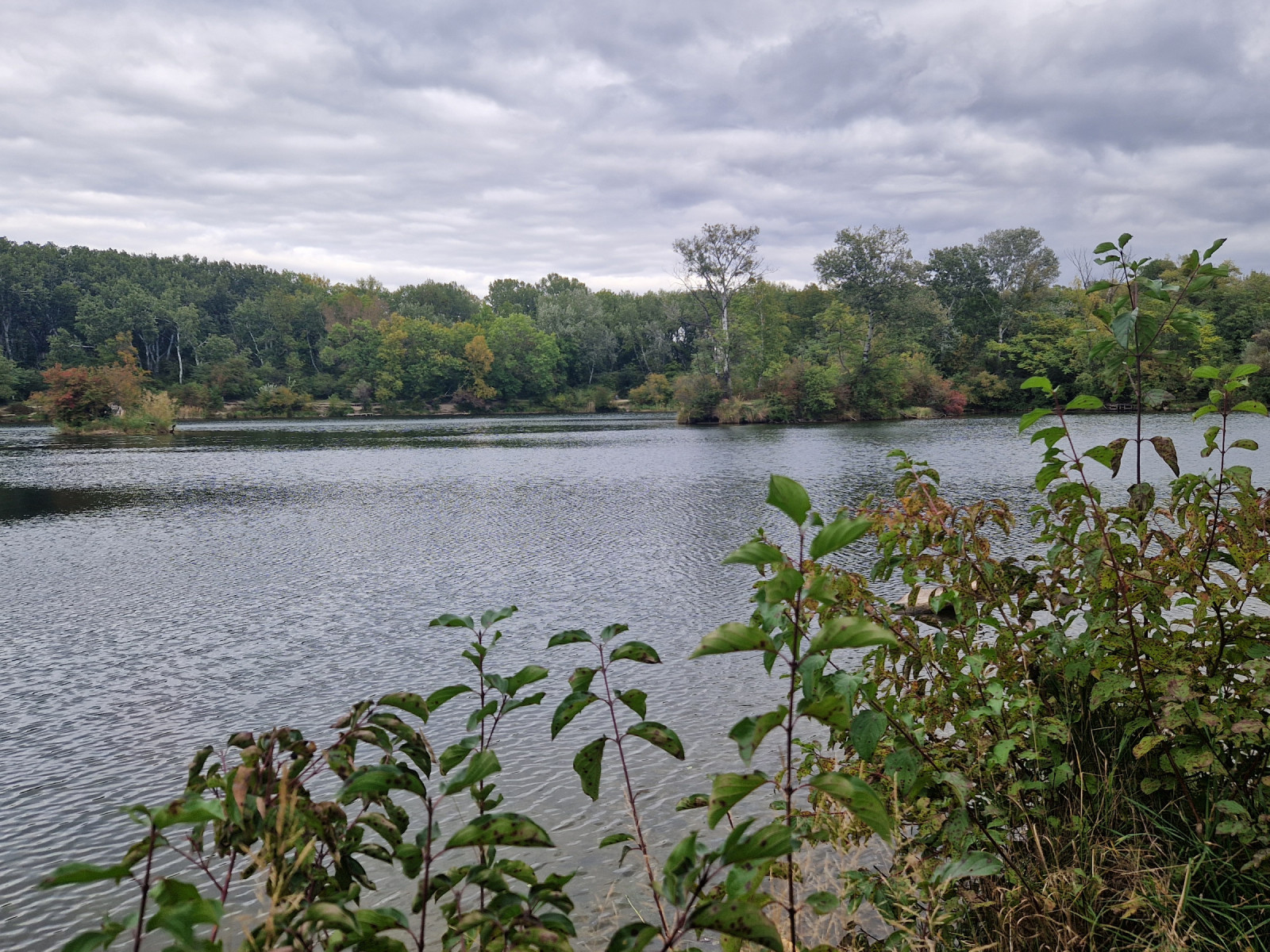
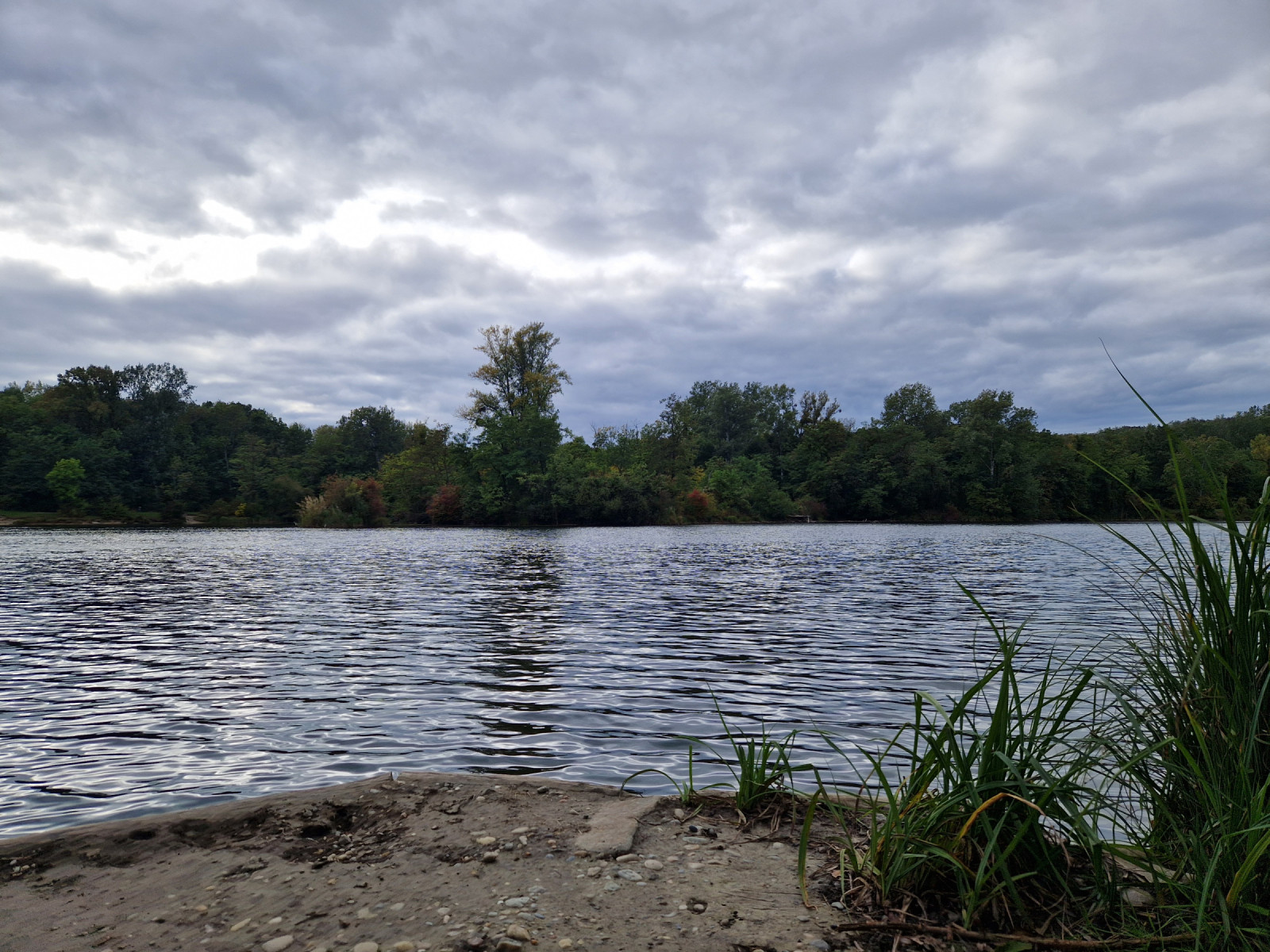
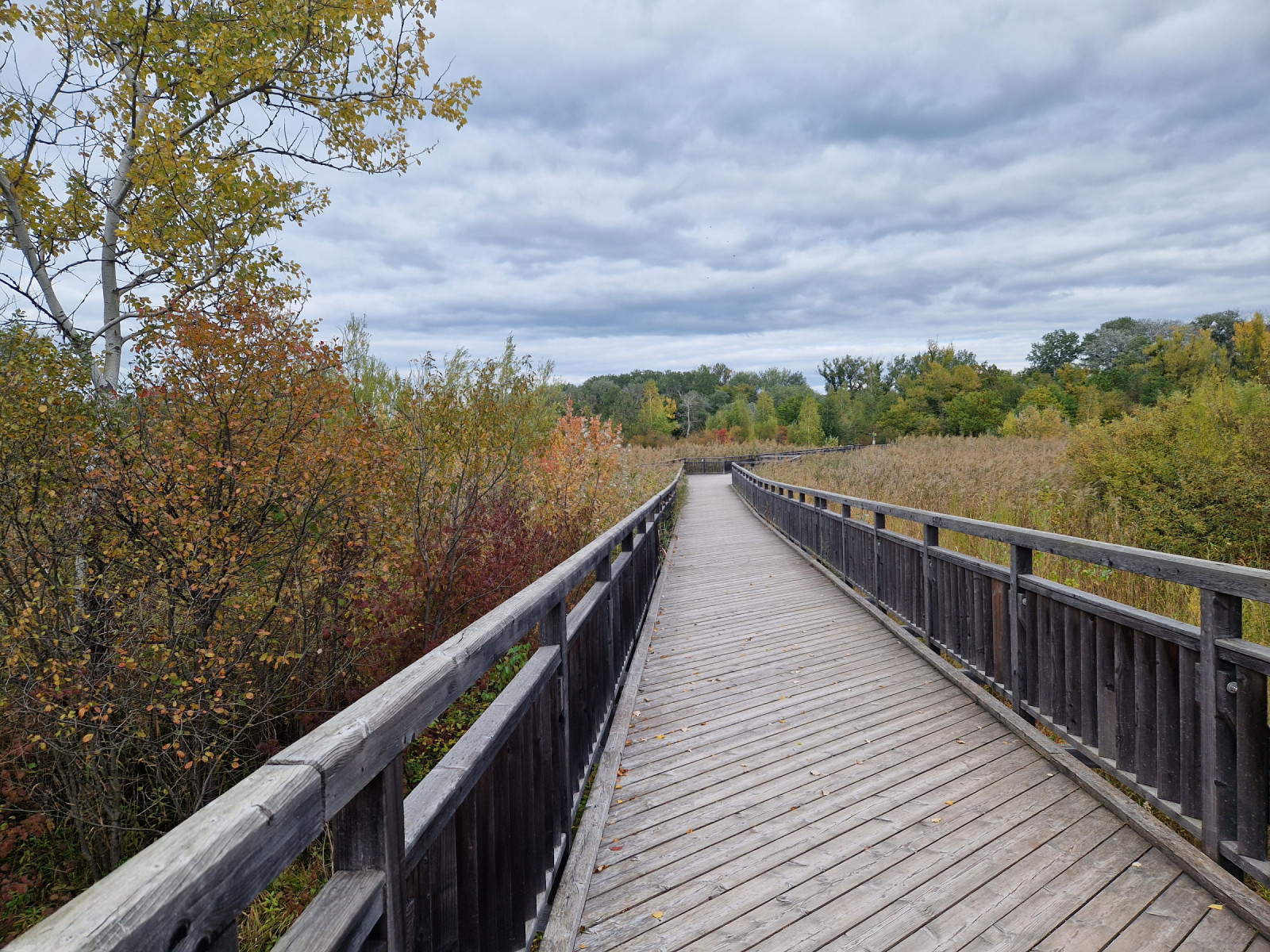
Rich, wet woodlands interspersed with reedbeds and some meadows, home to woodpeckers and several warbler species.
East of Vienna begins the Danube Floodplains National Park, which stretches all the way to the Czech border. Even its northernmost tip - still reminiscent of a city park - is well worth a visit, especially in spring. Over 175 species have already been recorded in the area described here.
The area is dominated by dense riparian forest, mainly of deciduous trees such as birch, with abundant deadwood. As a result, it is a paradise for woodpeckers: there are excellent year-round chances to observe Pic mar and Pic noir. Pic syriaque and Pic cendré have also been seen, and there is one record of Pic à dos blanc.
In the middle of the forest lies the Dechantlacke (1). Its shallow edges are suitable for photography, though the waterbody lacks a shoreline, so ducks and geese - apart from the Canard colvert - are rarely found here. However, the freestanding trees offer especially good opportunities to observe woodpeckers. Note that this is a natural bathing area where naturism is common during the warmer months.
More promising for birdwatching is the Mühlwasser or Tischwasser (2), fringed on its southwestern side by a narrow reed belt. At the Josefsteg, the water merges into a wide reedbed crossed by the footbridge. Rémiz penduline, Martin-pêcheur d'Europe, Coucou gris, and Rossignol philomèle breed here, and there are good chances of seeing Locustelle luscinioïde, Phragmite des joncs, and Rousserolle turdoïde. There are also three records of the very rare Lusciniole à moustaches (two from July and one from September).
Following the path north leads to some dry meadows dotted with shrubs and lined with old trees (3)—ideal conditions for species such as Fauvette grisette, Gobemouche à collier, and Faucon hobereau.
Several rarities have also been noted in the area: in 2014, a Crabier chevelu stayed here, and in winter, Fuligule milouinan, Bécassine sourde, and Jaseur boréal have been recorded.
The Lobau - Northern part-area is easily accessible, crossed by many gravel roads, cycling routes, and footpaths. Cyclists can be quite fast, and it should be noted that the Lobau is traditionally popular among naturists, especially in summer. The circular route shown on the map is about 4 km.
 ) Insérez les noms d'oiseau dans votre langue. Ils seront automatiquement traduits pour les autres usagers !
Votre feedback sera transmis à l’auteur.rice de cette zone et à l’équipe éditoriale de Birdingplaces, qui l’utiliseront pour améliorer la qualité des informations. (Vous souhaitez publier un commentaire visible en bas de page ? Fermez cette fenêtre et choisissez l’Option 1 : « Publier un commentaire, un conseil ou une observation ».)
Veuillez fournir des suggestions d'améliorations ou d'ajouts au texte de ce site ornithologique.
Veuillez fournir vos suggestions d'améliorations ou d'ajouts à la carte.
Veuillez fournir des suggestions d'améliorations ou d'ajouts à la liste des oiseaux.
Cliquez sur l'icône de l'oiseau () Insérez les noms d'oiseau dans votre langue. Ils seront automatiquement traduits pour les autres usagers !