Charger images
Les formats d'image autorisés sont de type jpeg, png ou gif
La taille maximale du fichier doit être de 20MB

Pierces Creek is an area of scrubland south of the Cotter Dam and east of Namadgi National Park, transected by a network of unsealed roads.
Pierces Creek Forest is an expansive revegetation area covering the wooded plains south of the Cotter River, bordering the intact forests in Namadgi National Park. Largely comprised of scrubland, the area has locally significant patches of heathland, as well as dry hill forest on the western boundary. However, much of the area is dominated by invasive species, especially in the northern part of the site.
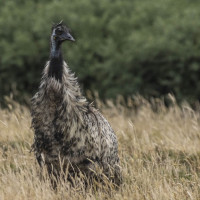
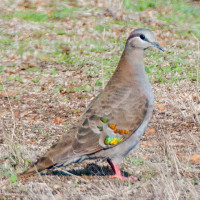
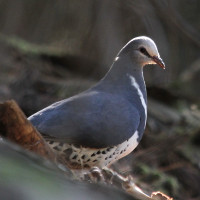
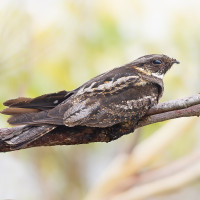
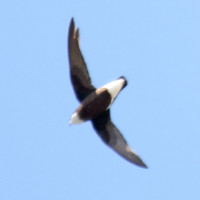
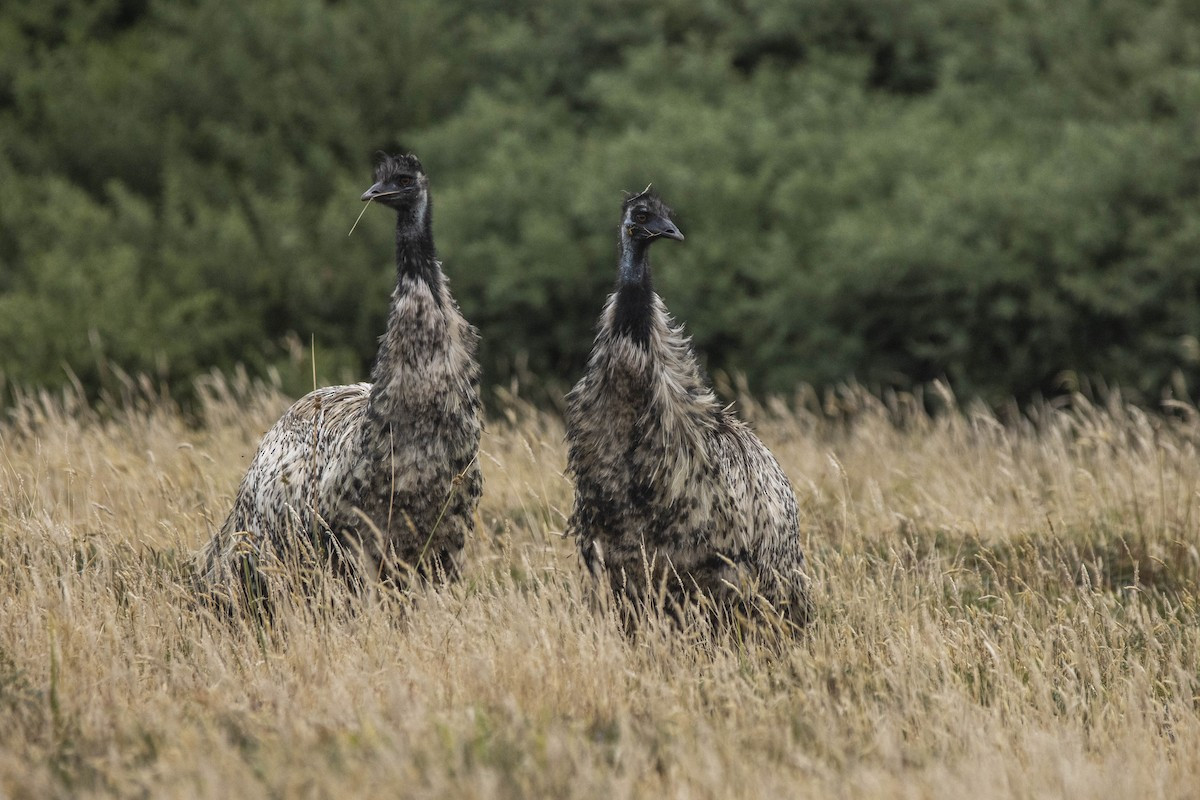
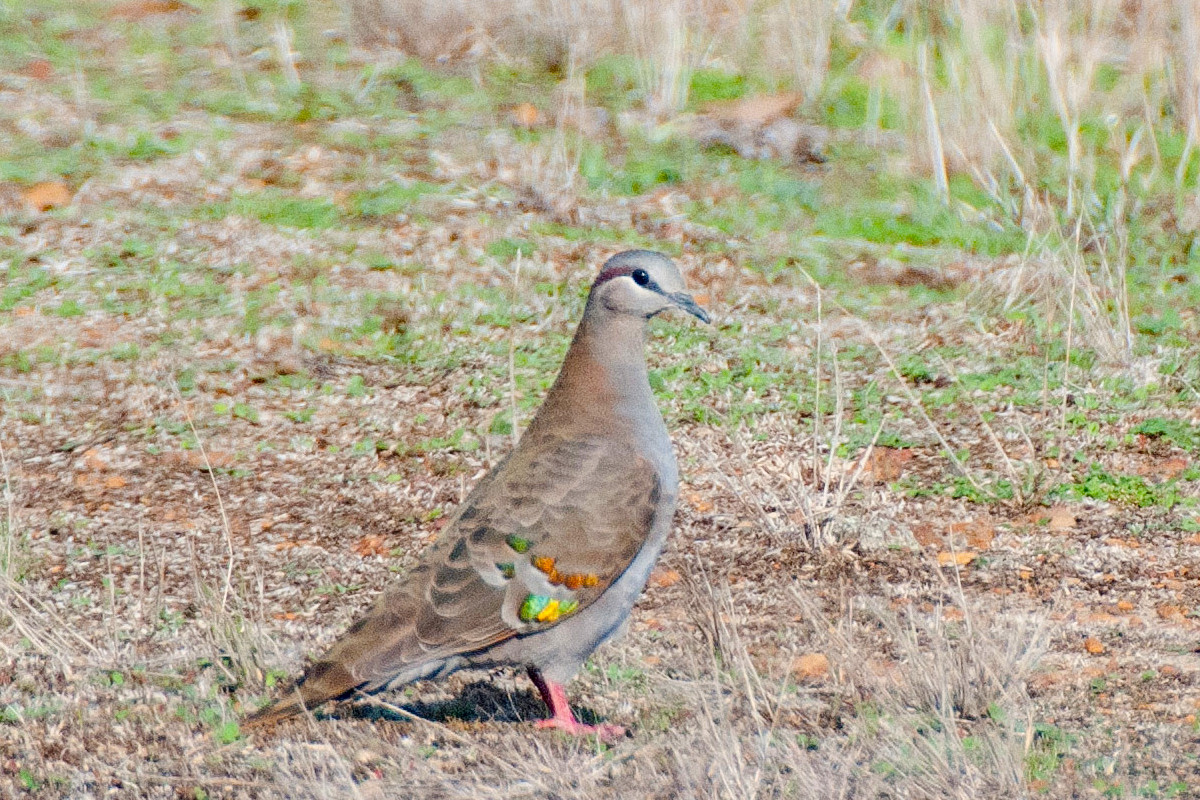
The area is one of the few sites in the region for Spotted Quail-thrush, Emu, Brush Bronzewing and White-throated Nightjar, and is also good for Wonga Pigeon, Scarlet Robin and Crescent Honeyeater. Great Crested Grebe can occasionally be seen from Concrete road in the dam below.
The forest is best accessed by taking the Cotter Rd west from Canberra, before continuing on to Paddy's River Rd. After crossing the Cotter River below the dam, continue for 2.6 kilometres and turn right onto the unsealed Laurel Camp Rd. Once on the unsealed track, continue for 1.4 kilometres before turning right onto East-West Break Rd, at the end of which is a steep hill with a parking area. The tracks immediately across the metal barrier here are good for Spotted Quail-thrush, while both bronzewings and Wonga Pigeon can be seen on the roadside.
Alternatively, one can turn right from East-West Break Rd at 1 km and drive north for another 2 kilometres to reach concrete road and pierces creek crossing. Emu are often seen along this road, and at dusk the track running above the dam to the north of here is good for White-throated Nightjar in late February.
Press on a P in the map for directions to the area you want to visit.
While the roads in this area are unsealed, the main routes outlined above are suitable for 2WD access, except after heavy rain.
 ) Insérez les noms d'oiseau dans votre langue. Ils seront automatiquement traduits pour les autres usagers !
Votre feedback sera transmis à l’auteur.rice de cette zone et à l’équipe éditoriale de Birdingplaces, qui l’utiliseront pour améliorer la qualité des informations. (Vous souhaitez publier un commentaire visible en bas de page ? Fermez cette fenêtre et choisissez l’Option 1 : « Publier un commentaire, un conseil ou une observation ».)
Veuillez fournir des suggestions d'améliorations ou d'ajouts au texte de ce site ornithologique.
Veuillez fournir vos suggestions d'améliorations ou d'ajouts à la carte.
Veuillez fournir des suggestions d'améliorations ou d'ajouts à la liste des oiseaux.
Cliquez sur l'icône de l'oiseau () Insérez les noms d'oiseau dans votre langue. Ils seront automatiquement traduits pour les autres usagers !