


Charger images
Les formats d'image autorisés sont de type jpeg, png ou gif
La taille maximale du fichier doit être de 20MB
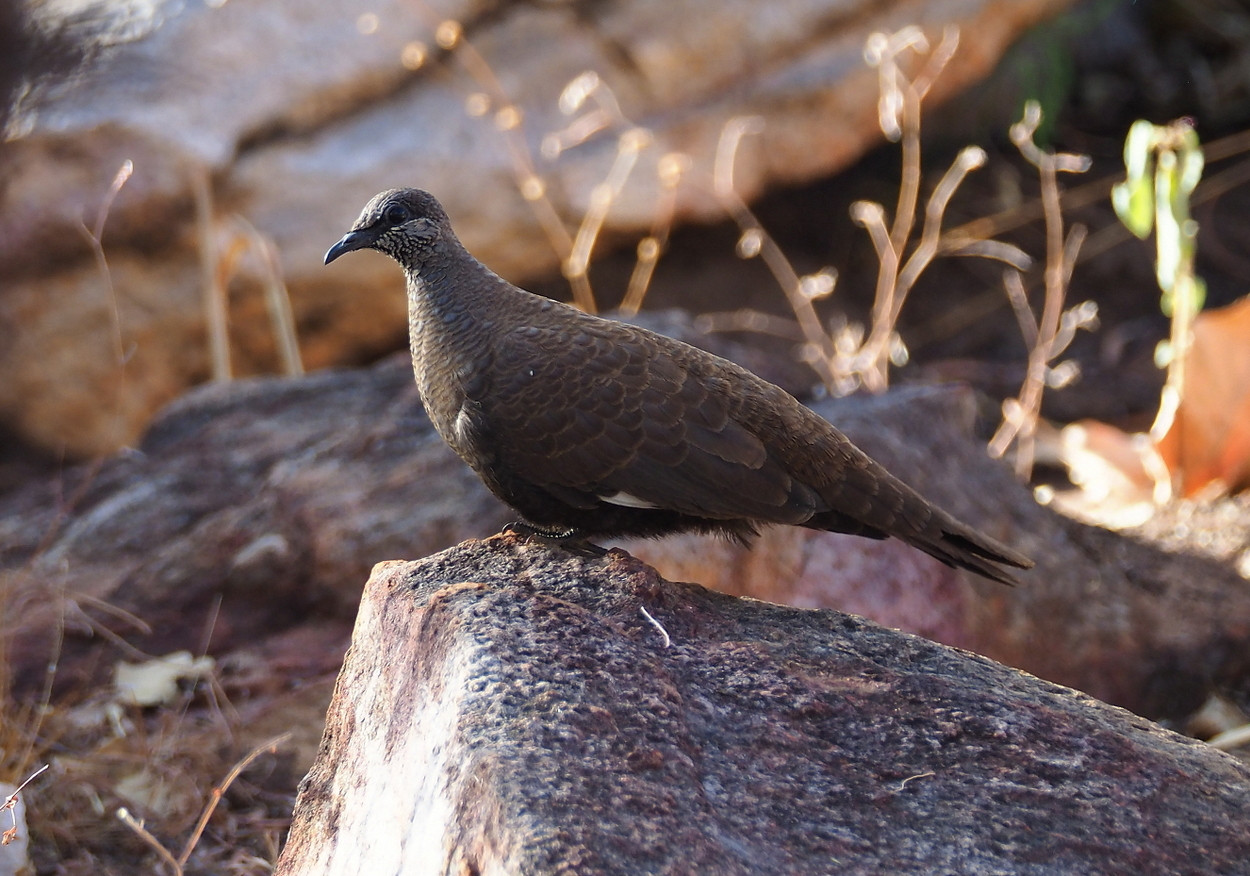
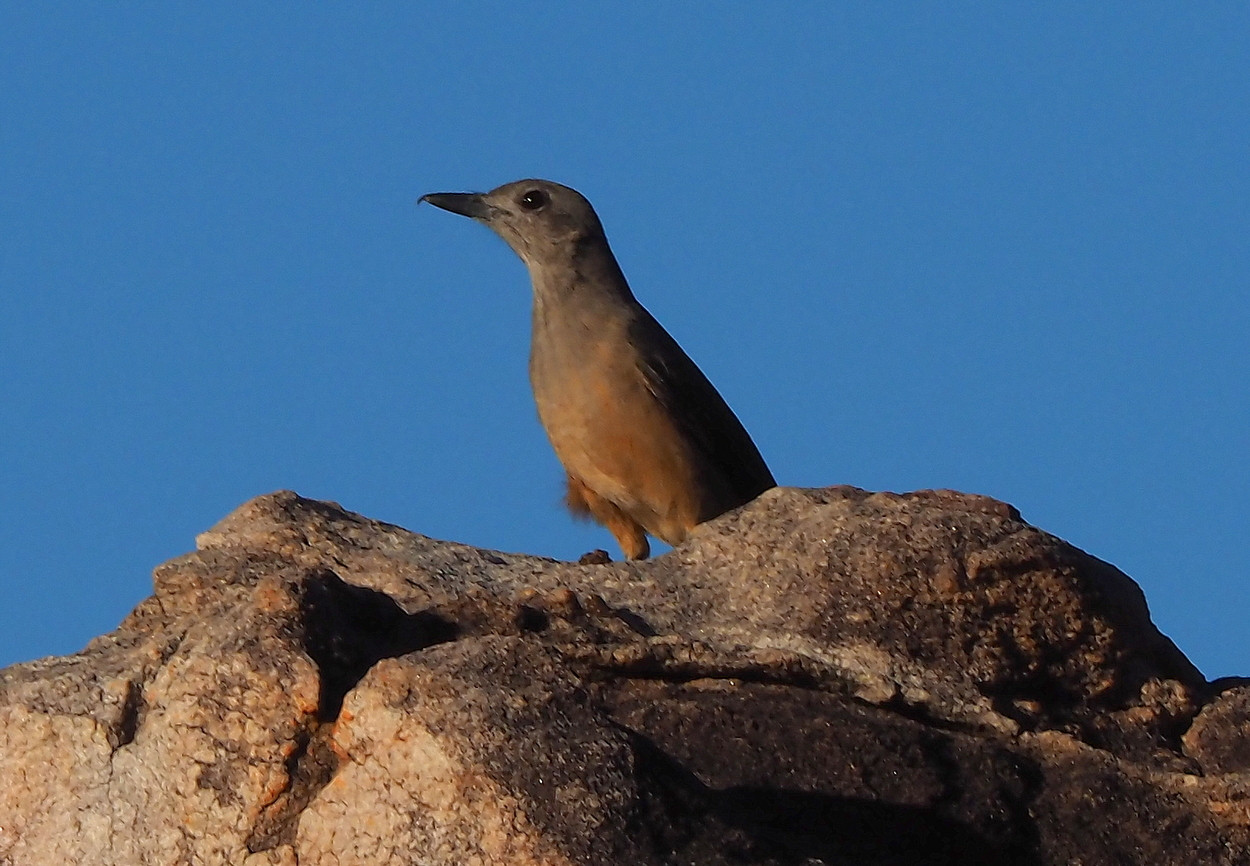

Mirima National Park has spectacular natural rock formations and is a 'go-to' site for a number of sought after bird species.
Mirima National Park has spectacular natural rock formations and is a 'go-to' site for a number of sought after bird species including White-quilled Rock-Pigeon, Sandstone Shrikethrush and Little Woodswallow. Dusky Honeyeater is also a possibility here.
From the Parks and Wildlife page (see link below): "The highlight of Mirima National Park is its spectacular natural rock formations. These colourful layered rocks are mesmerising with the changing light of day. Over 300 million years ago, this area was underwater, part of a prehistoric sea. The rocks you see at Mirima today are the layers of sandstone formed from sediments deposited by creeks and windblown sand.
The park is a popular place for bushwalking, photography and nature watching. Choose one of the walk trails and start exploring. Avoid the heat of the day, the Kimberley is famous for being hot! Time your walk right and you can catch the perfect light of sunrise or sunset. The sandstone seems to come alive as it reflects the tones of the changing light of the Kimberley.
The rocky terrain and vegetation attract lots of wildlife. Keep your eyes peeled. See if you can spot wallabies or dingoes. Look out for crimson and double-barred finches, and white-quilled rock pigeons".
From Kununurra go on to Weaber Plain Road, turn east on to Barringtonia Ave, then north on to Hidden Valley Road to access parking - total distance 2 km. Press P on the map to access Google mapping. The circular walking route indicated on the map is about 4 km.
Birding at Mirima NP is best done early in the morning before the sandstone becomes uncomfortably warm.
National Park entry fees apply.
 ) Insérez les noms d'oiseau dans votre langue. Ils seront automatiquement traduits pour les autres usagers !
Votre feedback sera transmis à l’auteur.rice de cette zone et à l’équipe éditoriale de Birdingplaces, qui l’utiliseront pour améliorer la qualité des informations. (Vous souhaitez publier un commentaire visible en bas de page ? Fermez cette fenêtre et choisissez l’Option 1 : « Publier un commentaire, un conseil ou une observation ».)
Veuillez fournir des suggestions d'améliorations ou d'ajouts au texte de ce site ornithologique.
Veuillez fournir vos suggestions d'améliorations ou d'ajouts à la carte.
Veuillez fournir des suggestions d'améliorations ou d'ajouts à la liste des oiseaux.
Cliquez sur l'icône de l'oiseau () Insérez les noms d'oiseau dans votre langue. Ils seront automatiquement traduits pour les autres usagers !