
Charger images
Les formats d'image autorisés sont de type jpeg, png ou gif
La taille maximale du fichier doit être de 20MB
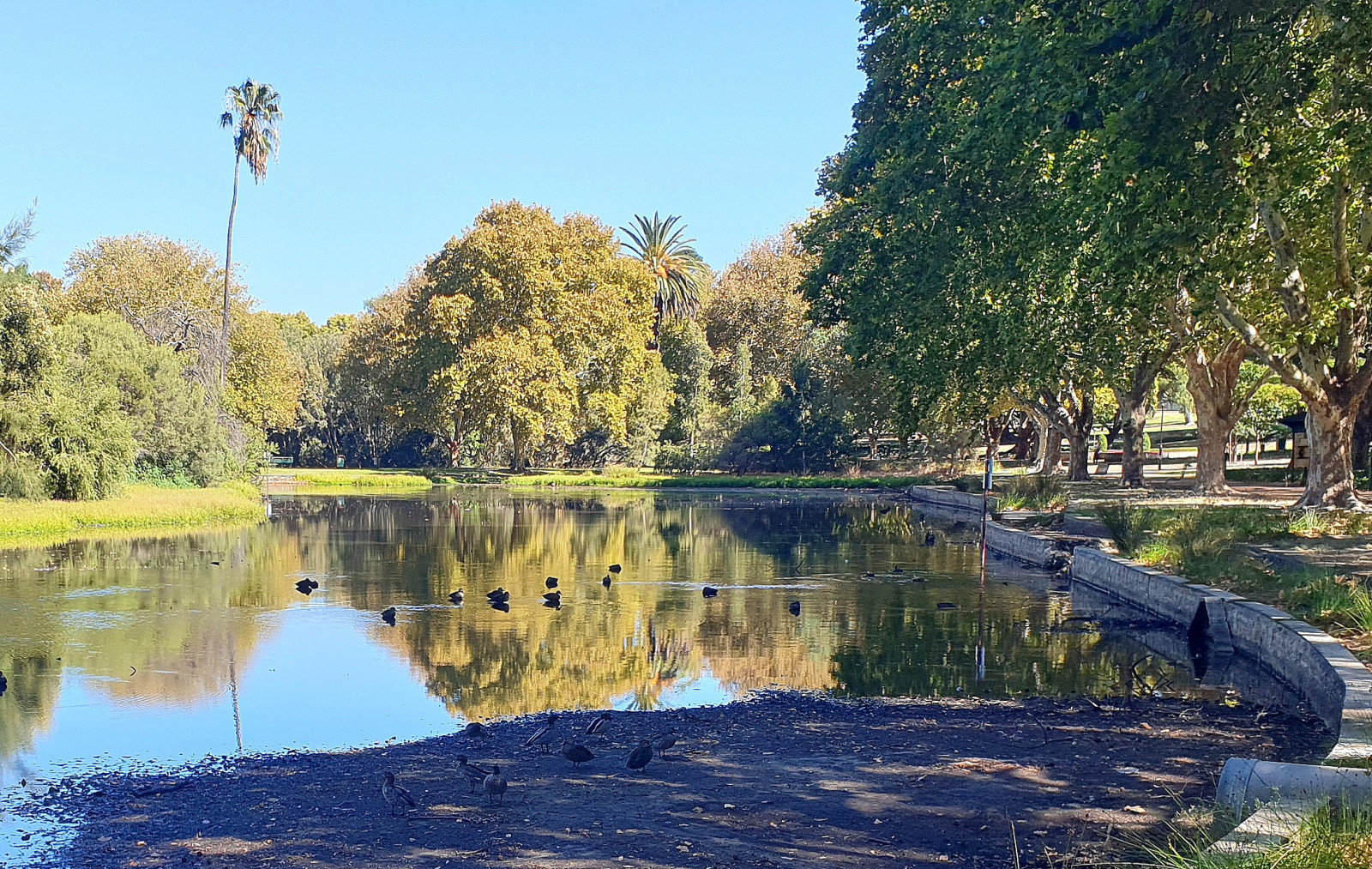
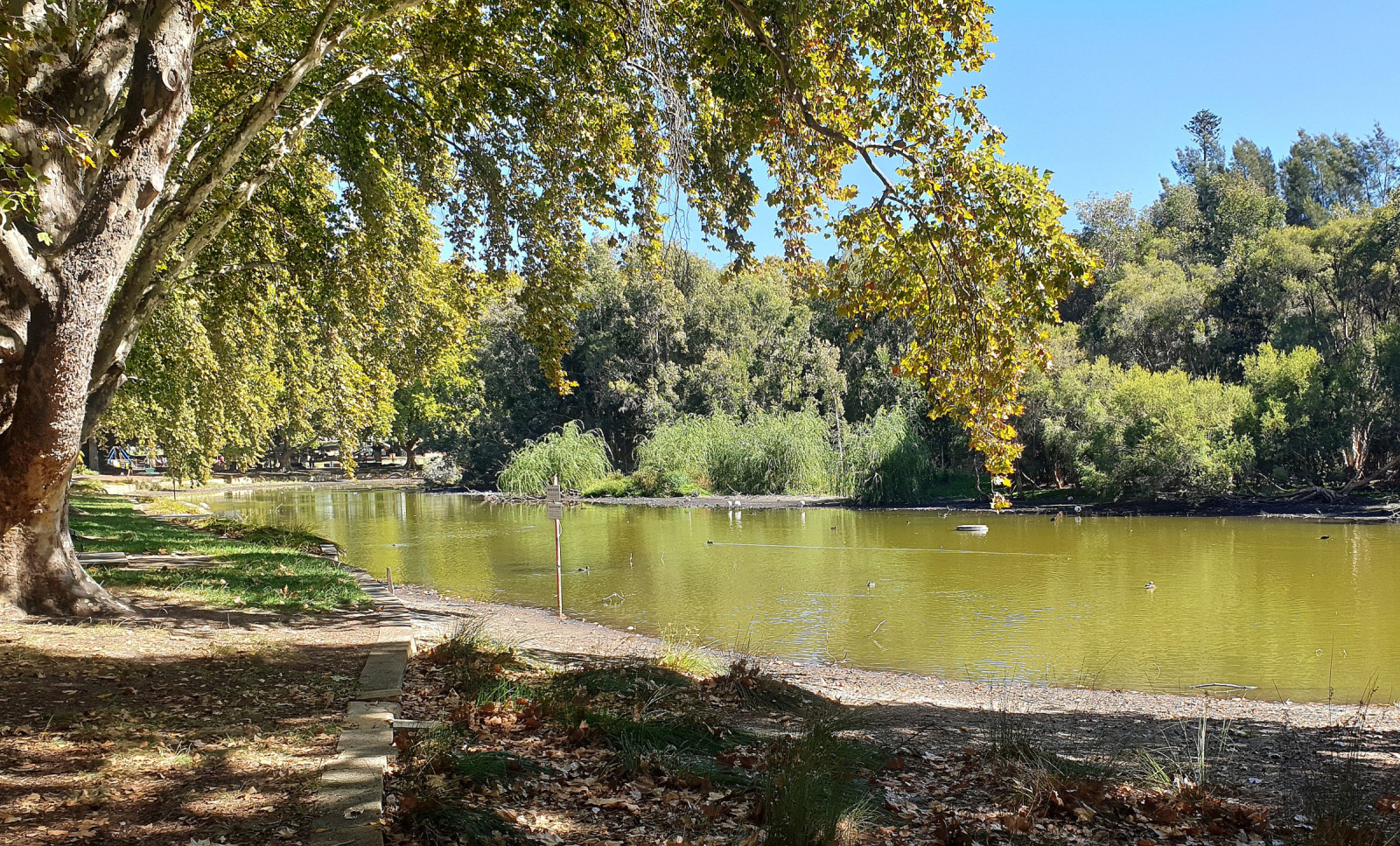
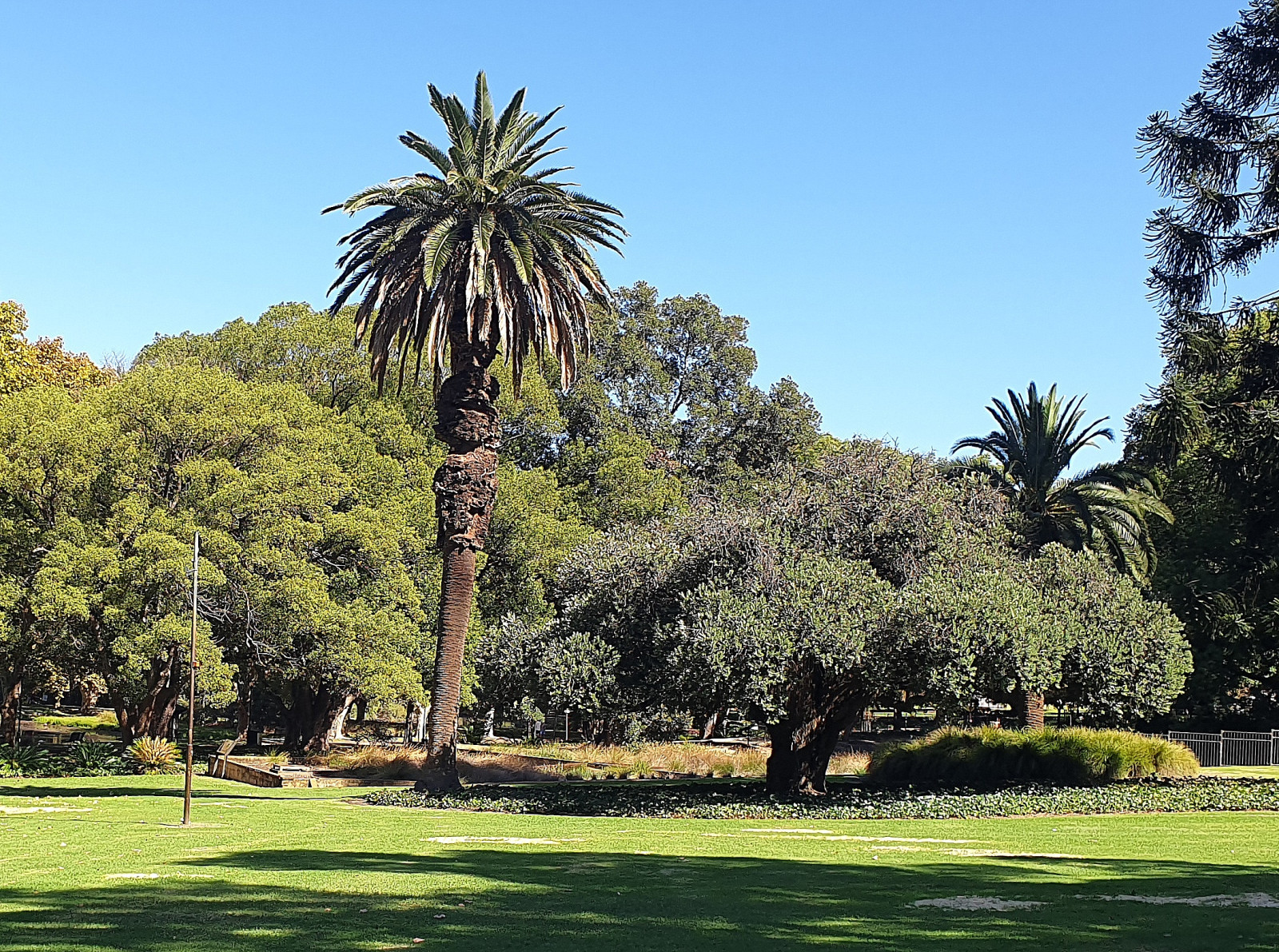
For a highly modified wetland, only two kilometers from Perth's CBD, Hyde Park can hold surprising numbers of waterfowl.
From the City of Vincent's website: "Hyde Park is a beautiful inner-city park bounded by Vincent, Glendower, Throssell and William Streets. Prior to European settlement, Hyde Park was known as Boodjamooling or ‘Third Swamp’. As a registered Aboriginal site of significance, it was an important camping, hunting and ceremonial site for the Whadjuk Noongar people.
Hyde Park was gazetted as a public garden in 1897 and in 1899, was named Hyde Park after London’s park of the same name. A lake was formed in the centre of the park, surrounded by over 600 introduced trees, including Pine, Plane, Jacaranda, Moreton Bay Figs and Port Jackson Figs. In 1913 the lake was dredged and the soil was used to create two islands, with a walkway separating the lake in two".
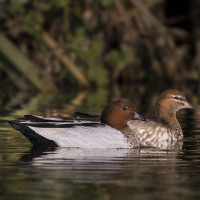
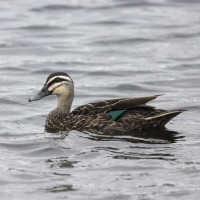
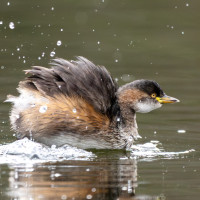
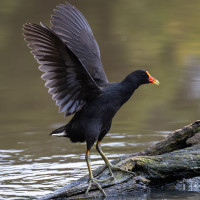
Hyde Park can, over late summer, hold surprising numbers of waterfowl, acting as a refuge for birds when many other local wetlands are dry. In spring, at least six species also breed at the lake. The place would be an ideal avian appreciation experience for young children.
Hyde Park is located only two kilometers from Perth's CBD. The park is accessible via public transport (bus) and has street parking available on surrounding roads. Press a P on the map for directions.
 ) Insérez les noms d'oiseau dans votre langue. Ils seront automatiquement traduits pour les autres usagers !
Votre feedback sera transmis à l’auteur.rice de cette zone et à l’équipe éditoriale de Birdingplaces, qui l’utiliseront pour améliorer la qualité des informations. (Vous souhaitez publier un commentaire visible en bas de page ? Fermez cette fenêtre et choisissez l’Option 1 : « Publier un commentaire, un conseil ou une observation ».)
Veuillez fournir des suggestions d'améliorations ou d'ajouts au texte de ce site ornithologique.
Veuillez fournir vos suggestions d'améliorations ou d'ajouts à la carte.
Veuillez fournir des suggestions d'améliorations ou d'ajouts à la liste des oiseaux.
Cliquez sur l'icône de l'oiseau () Insérez les noms d'oiseau dans votre langue. Ils seront automatiquement traduits pour les autres usagers !