
Charger images
Les formats d'image autorisés sont de type jpeg, png ou gif
La taille maximale du fichier doit être de 20MB
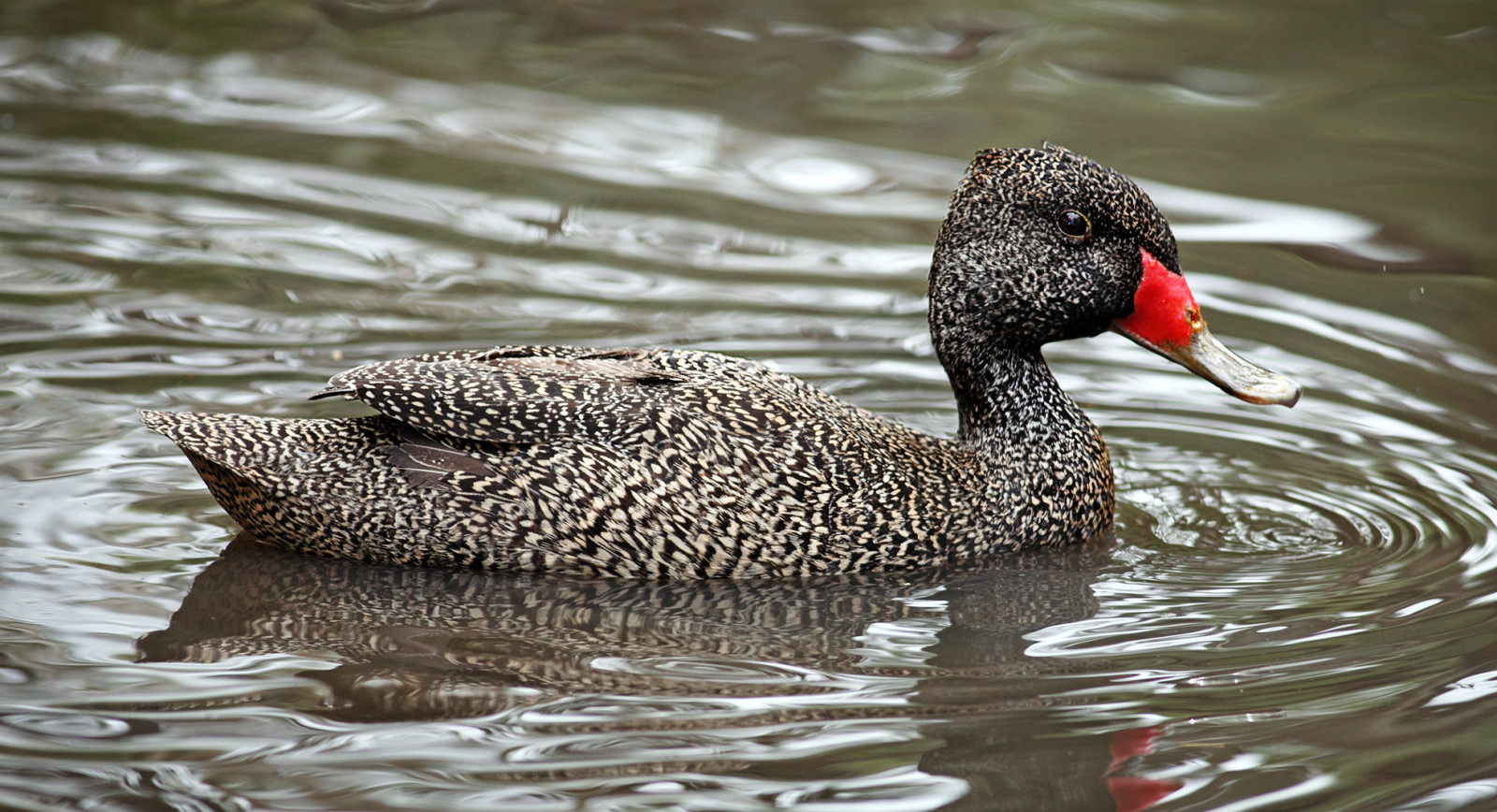
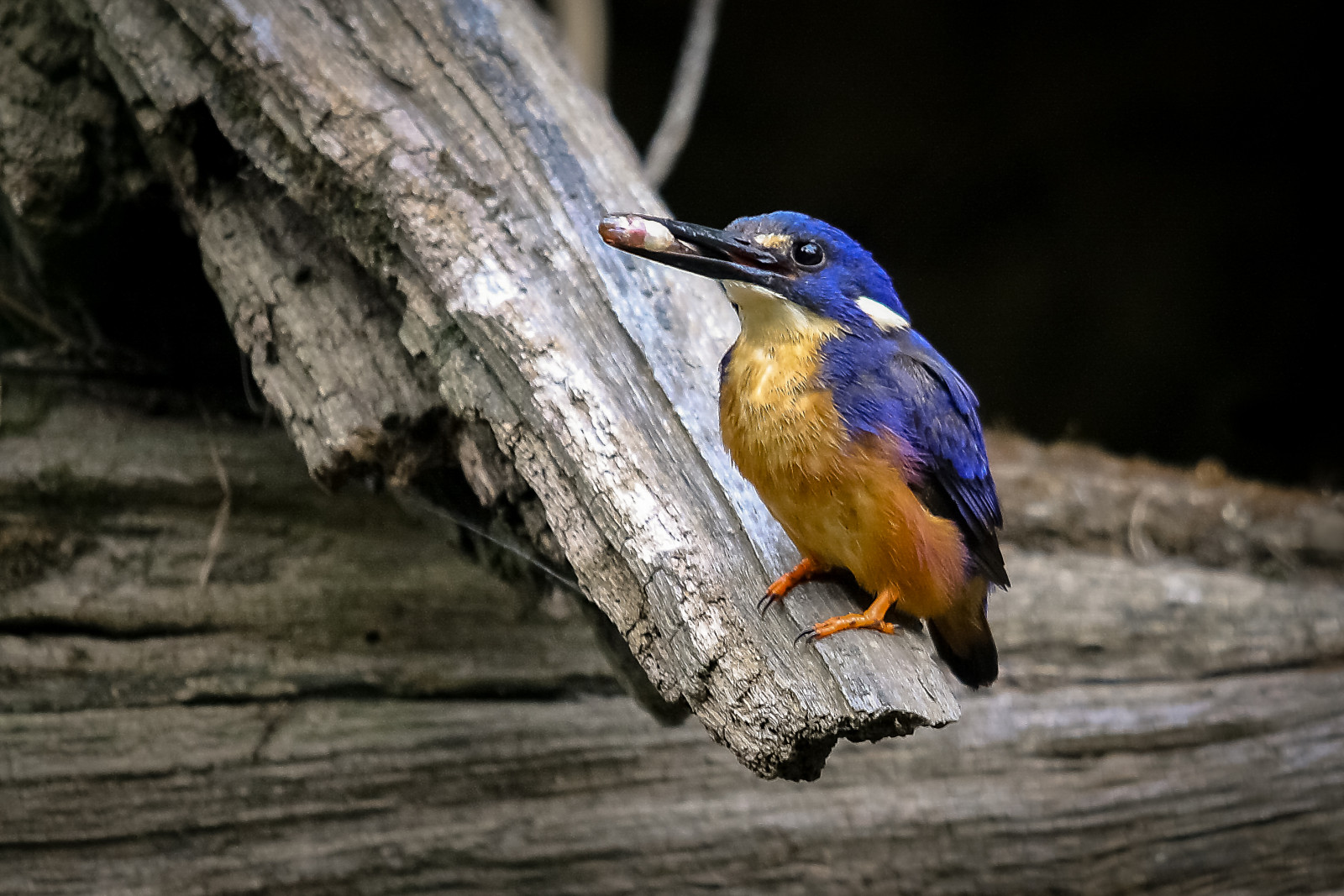
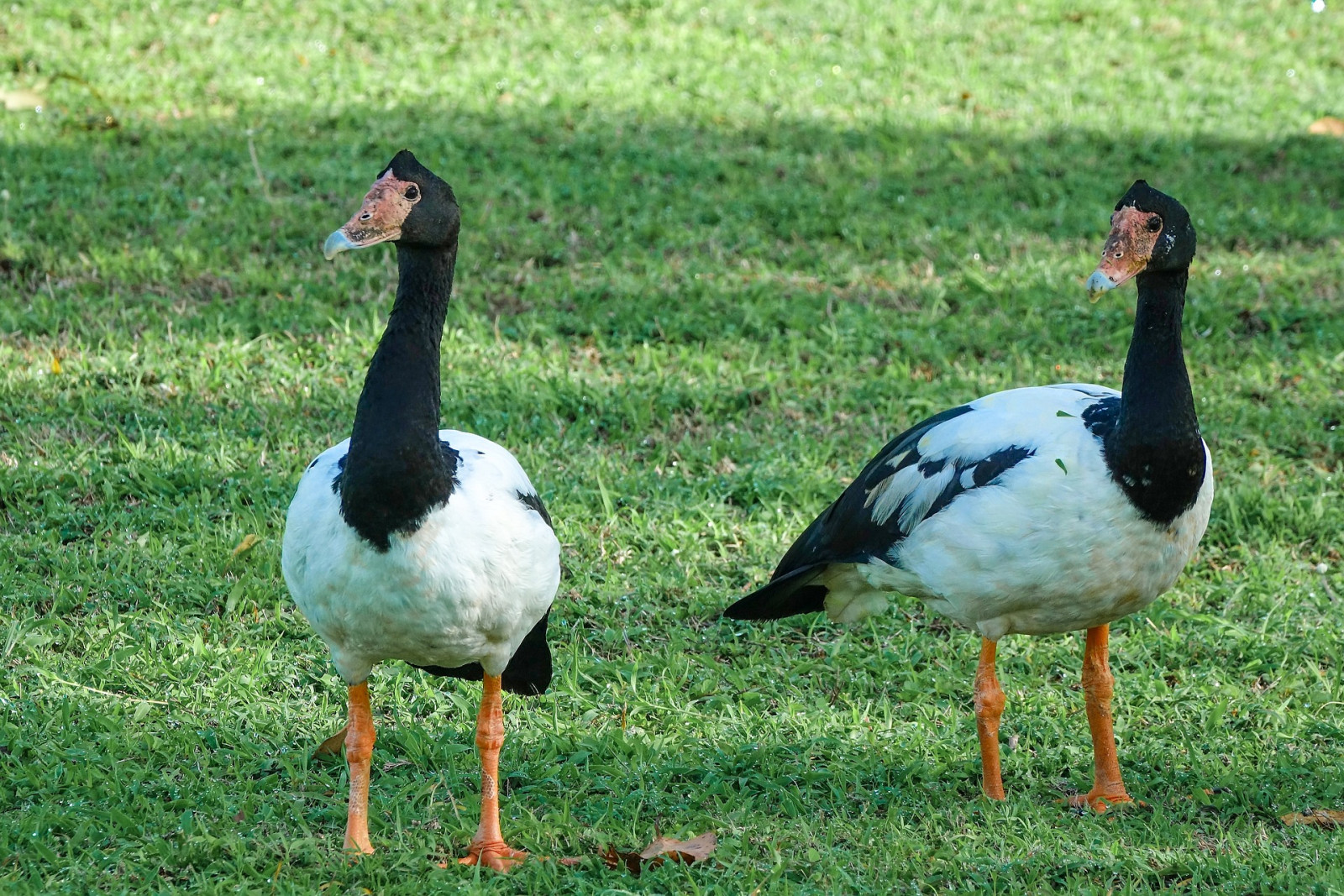
Conservation sanctuary and wetland of 45 hectares where 217 bird species have been recorded. The site has purpose-built bird hides and an outlook tower.
Hunter Wetland Centre is a community-run, not-for-profit organisation dedicated to the restoration and protection of wetland environments. The site spans 45 hectares of rehabilitated land that was once a dumping ground, now recognised as wetlands of international significance. The landscape features a mosaic of freshwater ponds, marshes, and native vegetation, providing habitat for over 200 bird species. There are several purpose-built hides including one over the water at Water Ribbon Swamp, plus the Egret Tower overlooking Melaleuca Swamp, a freshwater swamp forest.
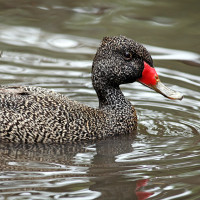
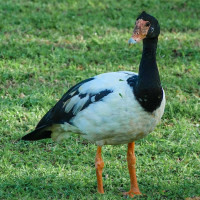
Melaleuca Swamp is utilised as a heronry by 4 egret species. This forest is also an evening roost for many Australian White Ibis and Straw-necked Ibis. In deeper ponds, areas of open water are suitable for waterfowl such as Freckled Duck, Grey Teal, Hardhead, Australian Shoveler, Magpie Goose, Black Swan and many duck species. During local droughts, the drop in water level exposes mudflats and shallow margins which provide foraging areas for migratory shorebirds.
Hunter Wetland Centre is located in Newcastle, in the Hunter Region of New South Wales. The centre offers ample free parking on-site. From Newcastle’s city centre, it’s roughly a 15-minute drive via the Pacific Highway or Industrial Drive. Press P on the map for directions. It's also easily accessible by public transport from central Newcastle and surrounding suburbs, with bus stops close to the entrance.
The centre is open daily from 9am to 4pm. Entry fee is $9.50 (2025).
Once there, the best way to explore the wetlands is on foot, following the network of walking trails that wind through freshwater ponds, marshes, and forested areas. The site is also wheelchair accessible.
 ) Insérez les noms d'oiseau dans votre langue. Ils seront automatiquement traduits pour les autres usagers !
Votre feedback sera transmis à l’auteur.rice de cette zone et à l’équipe éditoriale de Birdingplaces, qui l’utiliseront pour améliorer la qualité des informations. (Vous souhaitez publier un commentaire visible en bas de page ? Fermez cette fenêtre et choisissez l’Option 1 : « Publier un commentaire, un conseil ou une observation ».)
Veuillez fournir des suggestions d'améliorations ou d'ajouts au texte de ce site ornithologique.
Veuillez fournir vos suggestions d'améliorations ou d'ajouts à la carte.
Veuillez fournir des suggestions d'améliorations ou d'ajouts à la liste des oiseaux.
Cliquez sur l'icône de l'oiseau () Insérez les noms d'oiseau dans votre langue. Ils seront automatiquement traduits pour les autres usagers !