Description
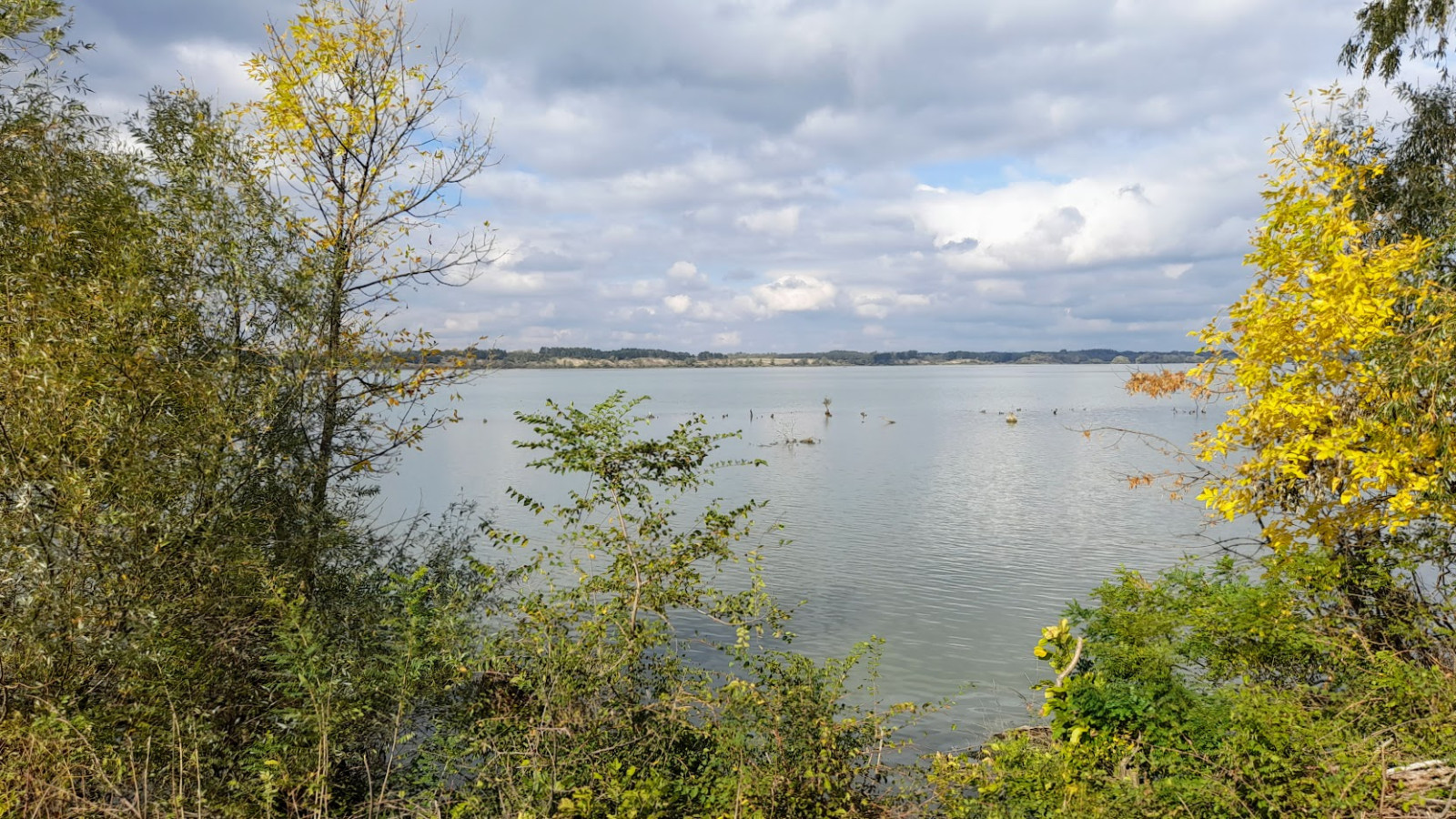
Following the construction of the Iron Gates Dam 50 years ago, the Danube water levels rose and the river flow slowed down, causing the flooding of several islands and lower banks. Labudovo Okno Special Nature Reserve is a 3 km wide and shallow section of the Danube that is known to attract more than 60,000 waterbirds during cold spells – half of them geese, and half of those numbers in warm winters. Also, inundated banks and partially submerged islands provide breeding grounds for more than 100 bird species, including several colonies of herons and cormorants (up to a 1,000 breeding pairs).
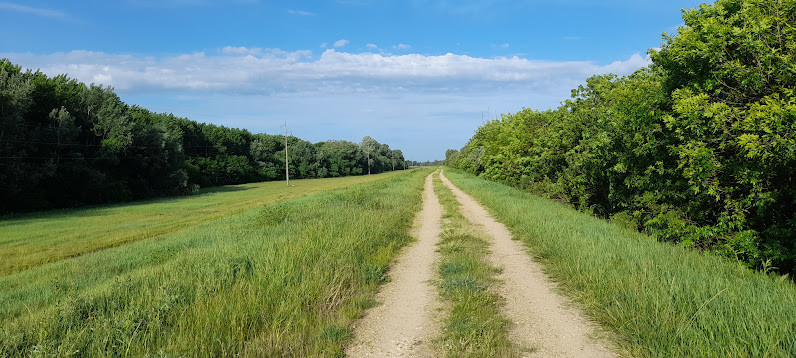
Along the levee-protected right bank lie Zavojska ada (1) and Cibuklija (2), two strangely horseshoe-shaped islands. Behind the levee there are industrial poplar plantations, while on the islands there are floodplain forests of willow and poplar. A line of odd angling cottages is being built against and on the levee itself, some mere shacks, even newspaper kiosks transported here, barely big enough for a bed and fishing rods.
Once you reach the levee, going left/upriver is more rewarding in spring, while going right/downriver is more productive in winter. Notable winter birds include tundrahanhi, uivelo, mustakaulauikku, uuttukyyhky, aroharmaalokki, kuikka, jalohaikara, kiljukotka (these globally threatened raptors breed from Ukraine eastward through Siberia and only a dozen come to overwinter in Serbia), sinisuohaukka, isolepinkäinen, viiksitimali, vuorikirvinen, nokkavarpunen, hemppo, vihervarpunen, etc. Resident ruskosotka, pikkumerimetso, merikotka (quite extrovert), tammitikka , pikkutikka, vihertikka, palokärki (quite extrovert) are possible year-round.
Spring is marked by heinätavi, turturikyyhky, ruskohaikara, rääkkähaikara, yöhaikara, mehiläissyöjä, Kuhankeittäjä, pikkulepinkäinen, mustaotsalepinkäinen (especially on the wires in the eastern section), rastaskerttunen , keltahemppo, harmaasirkku, peltosirkku, etc. I usually end the day watching the sunset underneath the buttresses of the medieval Ram Fortress (3).
A strong easterly wind is common in the area, which can make birding challenging. A spotting scope is necessary in winter, but not in warmer months when binoculars are sufficient.
Details
Access
Reachable from the Kličevac Village only. 100 km or 1 h and 40 minutes’ drive from Belgrade. The new road construction works may cause some traffic disruptions. Zoom in on the map and click on the "P" (parking) sign for driving directions.
Park wherever you like. Explore by walking, or further driving. There's not much shade, so wear a hat and take water with you.
While the cottages obstruct the view, because of them levee is mostly covered by tarmac and driveable in all weather conditions, which may not necessarily be the case with the derelict and crumbling tarmac road from Kličevac that connects summer cottage hamlet (I remember driving when it was under 30 cm thick ice).
Terrain and Habitat
Forest , Wetland , Agriculture , Scattered trees and bushes , Grassland , River , ReedbedsConditions
FlatCircular trail
NoIs a telescope useful?
YesGood birding season
All year roundBest time to visit
Winter , SpringRoute
Paved road , Wide path , Unpaved roadDifficulty walking trail
EasyAccessible by
Car , FootBirdwatching hide / platform
NoExtra info
The earliest fort here was known from the 12th century, although most of the Ram Fortress (3) as it is today originates from the late 15th century, from the periods of Ottoman conquest.
There is a shabby village tavern in Kličevac, the only one around. It is mostly a bar doubling as a diner, and the last bastion of male chauvinism. Still, the beer is cold, grilled meat very good, and everything is very moderately priced.
Links
- The main of the four neighbouring eBird hotspots
- Freeze-birding down the Danube
- The European Christmas Bird Count
- Barchart for all eBird hotspots combined


 ) to insert bird names in your own language. The birdnames will automatically be translated for other users!