Description
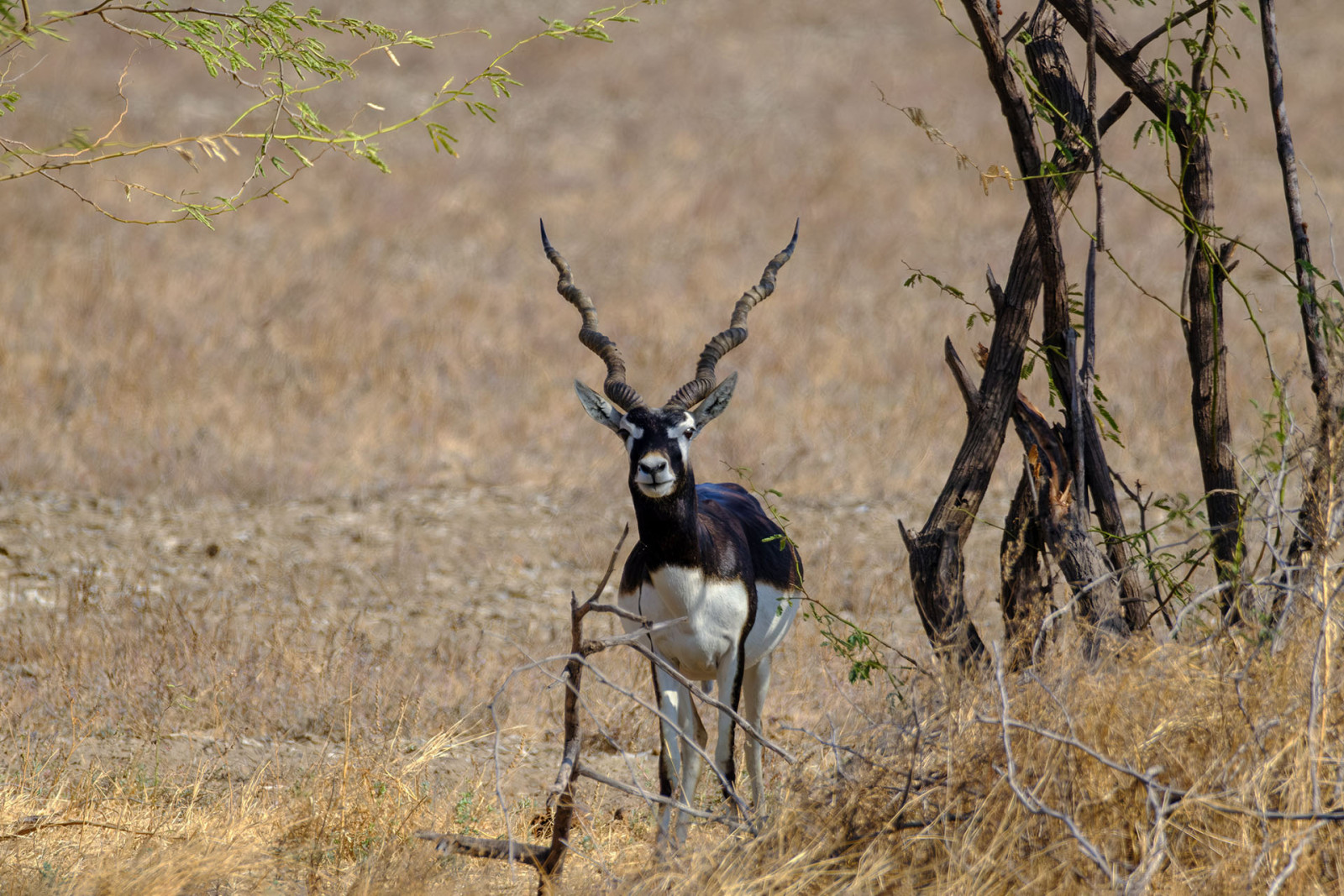
Velavadar Blackbuck National Park is a protected grassland sanctuary that covers about 34 square kilometers. Its landscape is dominated by wide, open savannah-like grasslands, dotted with clusters of acacia trees and seasonal wetlands. This makes it one of the few remaining natural grassland ecosystems in India. A southern portion of the park is in the high tide zone of the Gulf of Khambhat, which leads to seawater inundation during the monsoon season. The park is famous for its large population of blackbucks, but it is also home to predators like the Indian grey wolf, striped hyena, Indian fox, and jungle cat. You may also spot bluebull (nilgai), wild pigs, and Indian hares.
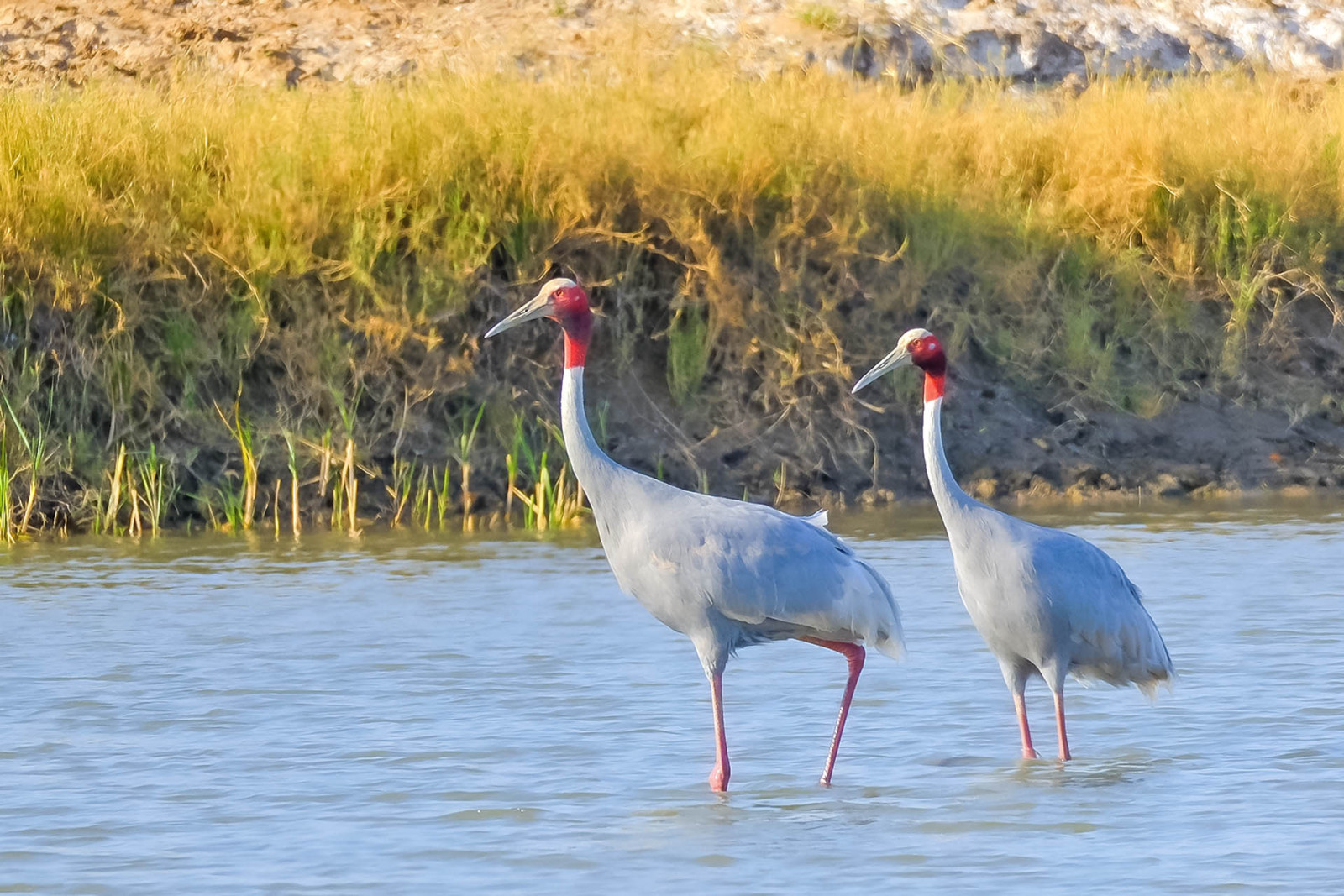
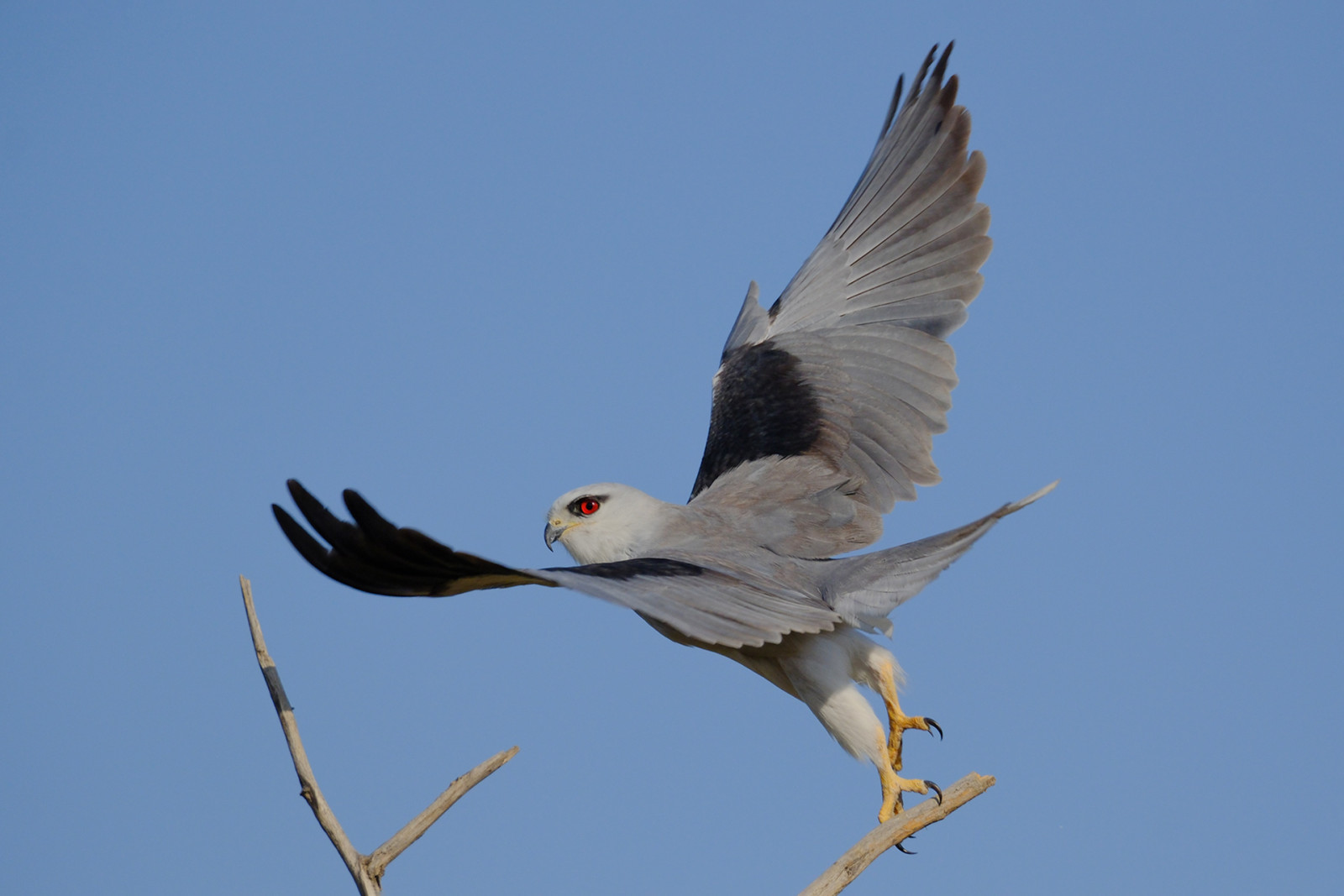
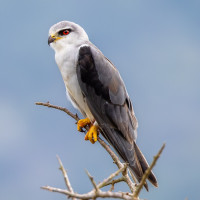
Velavadar Blackbuck National Park is a significant destination for birdwatchers, especially during the winter migration. Every winter, thousands of harriers migrate here from Central Asia and Siberia, making it one of the world’s largest roosting sites for these raptors, including the Montagu's Harrier, Pallid Harrier, and Western Marsh Harrier. It is also a crucial breeding ground for the endangered Lesser Florican. In total, more than 300 bird species have been recorded, including Sarus Crane, Common Crane, Demoiselle Crane, Great White Pelican, Dalmatian Pelican, Greater Flamingo, Lesser Flamingo, and many different species of larks, pipits, herons, ducks and birds of prey.
Details
Access
Velavadar Blackbuck National Park is located in the Bhavnagar District of Gujarat, about 50 km from the city of Bhavnagar. By Air: The nearest airport is Bhavnagar Airport (BHU). By Train: The nearest railway station is Bhavnagar Terminus. By Road: The park is about 50 km from Bhavnagar city. Taxis can be hired from Bhavnagar, Ahmedabad, or Rajkot.
Safaris are the primary way to explore the park, offering panoramic views of the flat, open grasslands. Safari's can be arranged through the Forest Department or nearby lodges. Safari Types: Both private vehicle safaris (with an additional charge) and hired open gypsies are available. A forest department-approved guide is mandatory for all safaris to provide insights into the wildlife and ensure rules are followed. Visitors are not allowed get out of their vehicles inside the park.
Opening times: Winter (Oct 16 - Feb 29): 6:30 a.m. to 11:30 a.m. and 2:00 p.m. to 7:00 p.m. Summer (Mar 1 - June 15): 6:00 a.m. to 11:00 a.m. and 2:30 p.m. to 7:30 p.m. The best time to visit is from October to March, when the weather is pleasant and migratory birds are present.



 ) to insert bird names in your own language. The birdnames will automatically be translated for other users!