.JPG)
 (1) (1) (1).JPG)
Descripción
The Hunstaton Cliffs are located on the northern side of Hunstanton and face the Wash bay area. The cliffs are coloured white and red and are famous for their fossils and, of course, the breeding colony of Fulmar Boreal. The number of breeding pairs peaked in 1995 with about 200 pairs, but nowadays, the number is averaged around 100 pairs. They can be seen from the beach, sitting on their ledges or from the top where you can see them flying away and coming in from the sea.
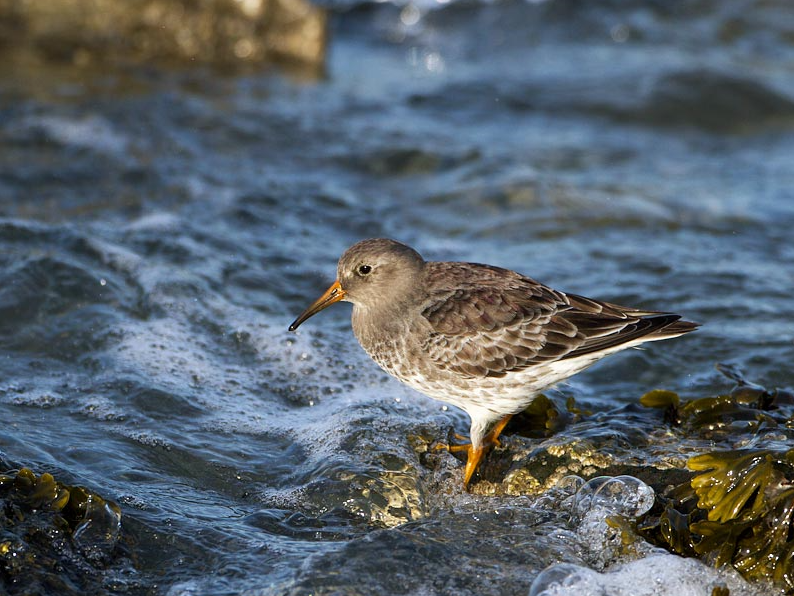
The beach, especially during low tide, is a great place for many shorebird species, like gulls and waders. Large flocks tend to stay and forage for prey on the tidal mudflats. Common species are Ostrero Euroasiático, Correlimos Gordo, Aguja Colipinta and Archibebe Común. The scattered rocks are a great place for Correlimos Oscuro.
From the clifss, you'll have a perfect view over the bay. You can find species like Gaviota Tridáctila, Alcatraz Atlántico, Cormorán Moñudo and even skuas and shearwaters, with a bit of luck. Flocks of scoter, both Negrón común and Negrón especulado, can be found and small numbers of Colimbo Chico are present.
Detalles
Accesso
The area is easy accessable due to the parking lot on top of the cliffs and the pathway down to the beach. You can walk over the beach towards the cliffs and find the Fulmar Boreal there, mostly by sound.


 ) insertar los nombres de aves en tu propio idioma. ¡Los nombres de las aves serán traducidos automáticamente para otros usuarios!