Descripción
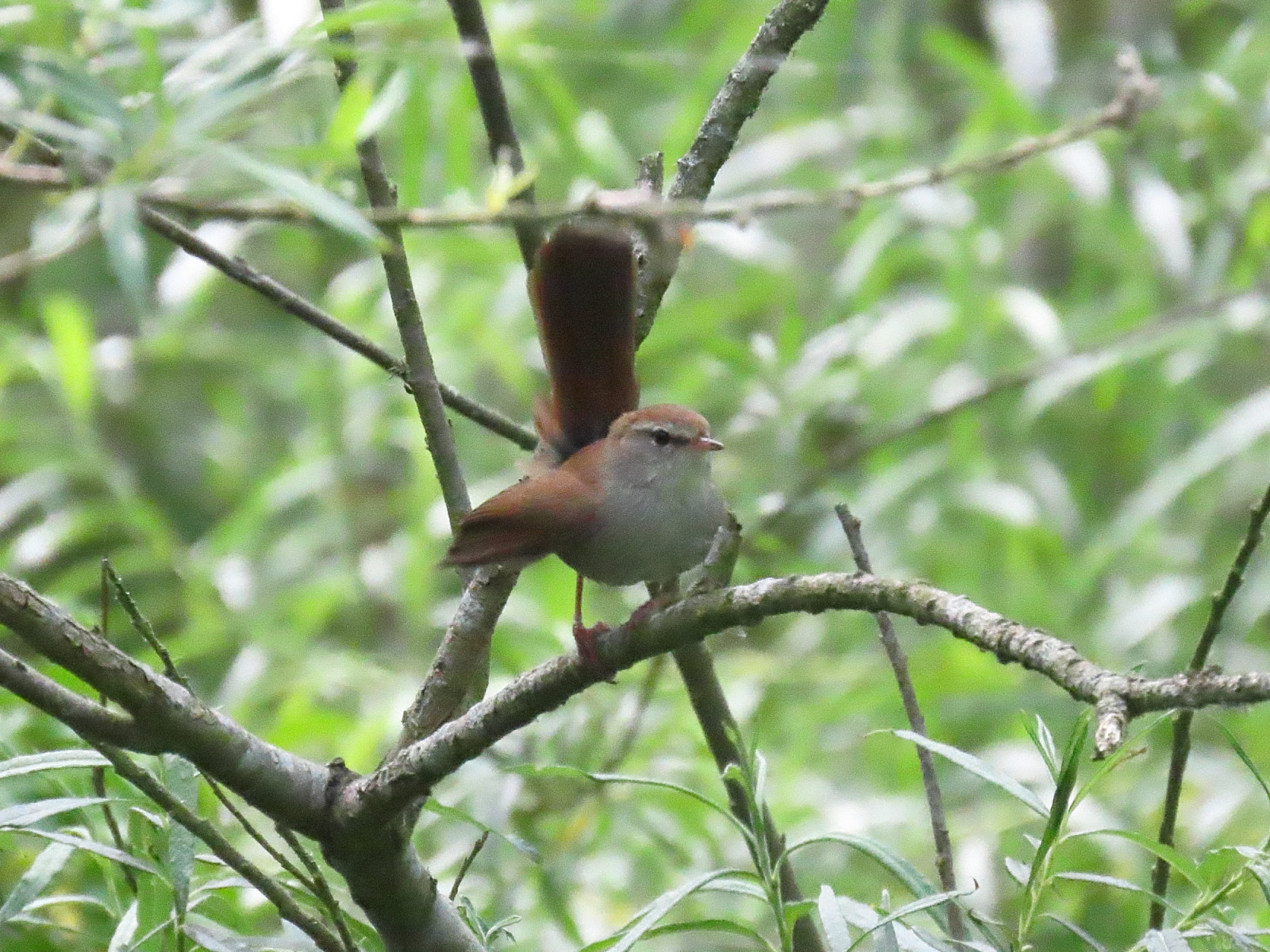
Although relatively small, the clever routing of the paths makes Gazen Salts Nature Reserve seem larger. The wooded areas are good for many species including Arrendajo Euroasiático, Pico Picapinos, Pito Real, Urraca común, throughout the year, and during the spring and summer months, migratory species such as Curruca Capirotada, Mosquitero Común, and Curruca Mosquitera to name a few. The winter months can bring in Zorzal Alirrojo, Zorzal Real, and Reyezuelo Sencillo.
The ponds and ditches attract Gallineta Común, Ánade azulón, Garza Real, Porrón Moñudo, Porrón Europeo and Cuchara Común.
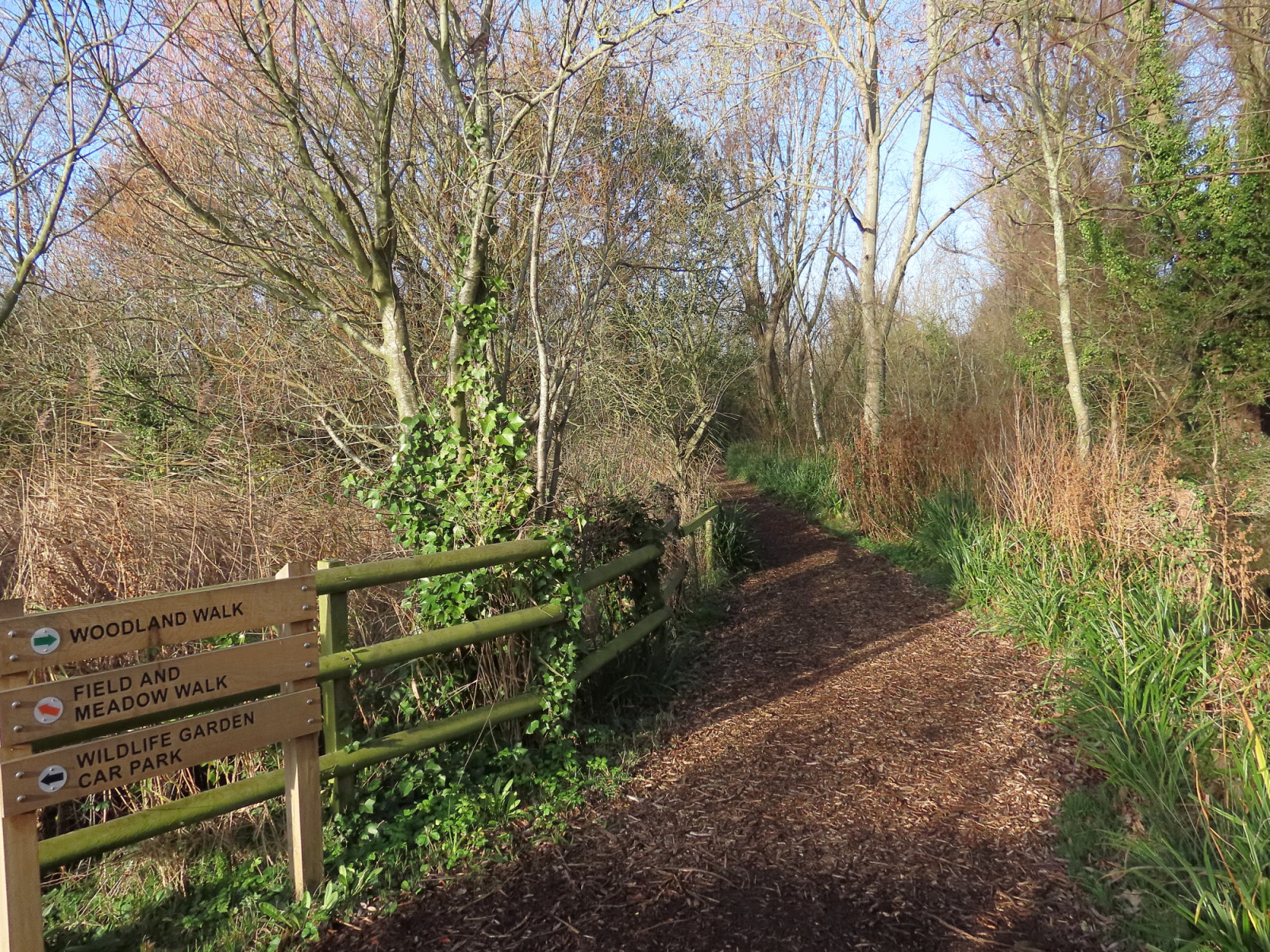
The closeness of the reserve to the town make it an easy visit, the well signed paths meander around the various habitats. Although separated from the river Stour by a fence, a small viewing platform and seat provide a good spot to view the larger area where waders might be on the mud banks or a Martín Pescador Común flash by.
Detalles
Accesso
Gazen Salts Nature Reserve is located on the northern edge of the small historic town of Sandwich. It can easily be reached from the railway station or bus stops. The main road in from the Canterbury direction (A257 becoming Strand Street) passes the reserve and there is on-street parking for free immediately outside the reserve although this is popular parking spot. There are numerous time restricted or pay and display parking places around the town.
There are no facilities within the reserve but the town centre is only 8 minutes walk away. There are quite a few benches to sit and relax, and bird feeding station which attracts many of the species.
Terreno y habitat
Bosque , Humedal , Pradera , Río , Cañizos , EstanqueCondiciones
Plano , Nivel del agua alto probableCamino circular
Sí¿Se necesita telescopio?
NoBuena época para el avistamiento de aves
Todo el añoMejor momento para visitar
Primavera , Migración de primavera , Migración de otoño , InviernoRuta
Camino anchoCamino difícil de andar
FácilAccesible vía
A pieEscondite de observación / plataforma
SíInformación extra
The route marked on the map is a guide only as the paths do not show up on the map, they are well marked and obvious on site.
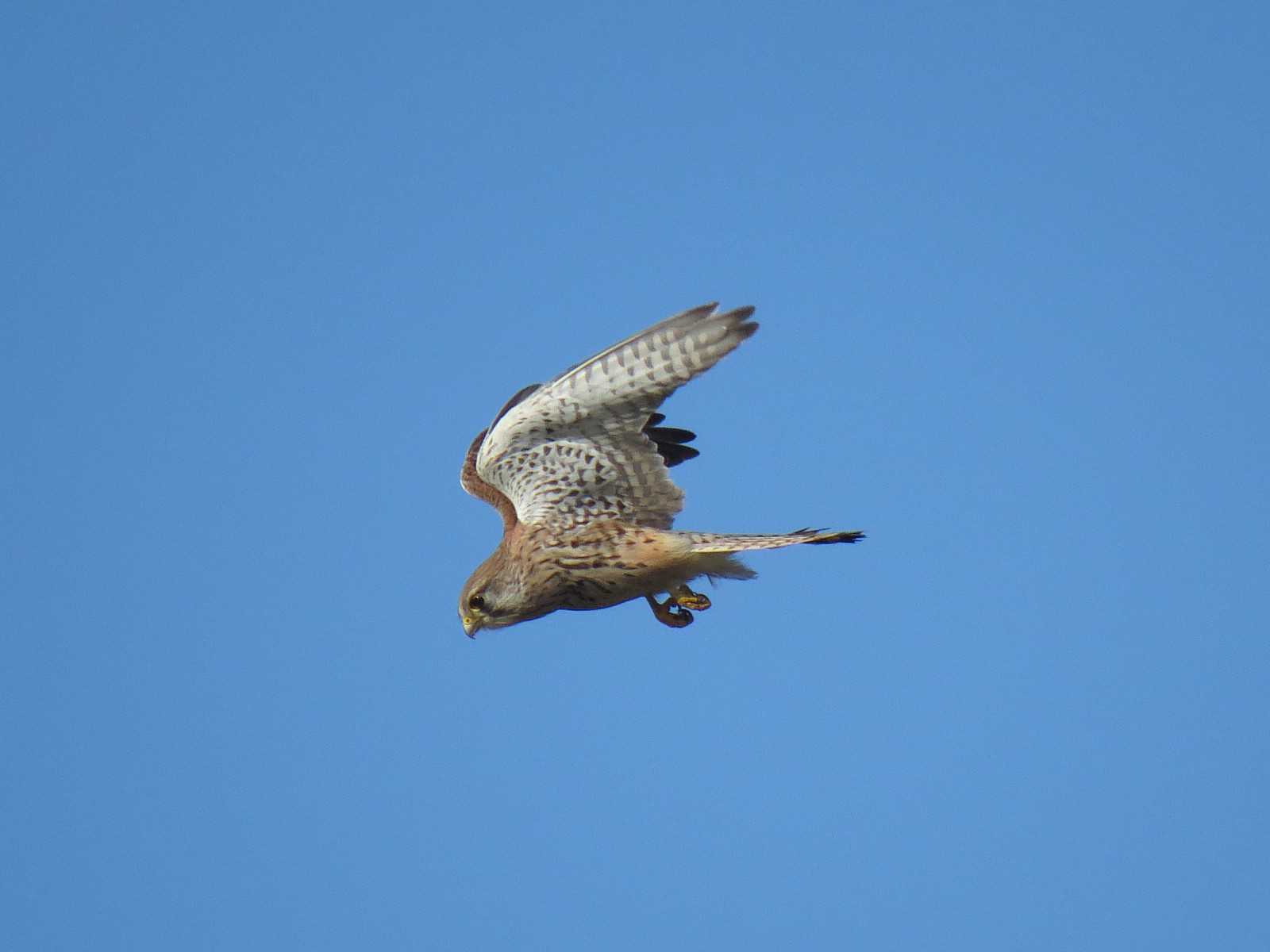
Some species listed will be seen overhead or viewed from the site - such as Aguilucho Lagunero Occidental - which has been seen in the area beyond the river outside the reserve.




 ) insertar los nombres de aves en tu propio idioma. ¡Los nombres de las aves serán traducidos automáticamente para otros usuarios!