Descripción
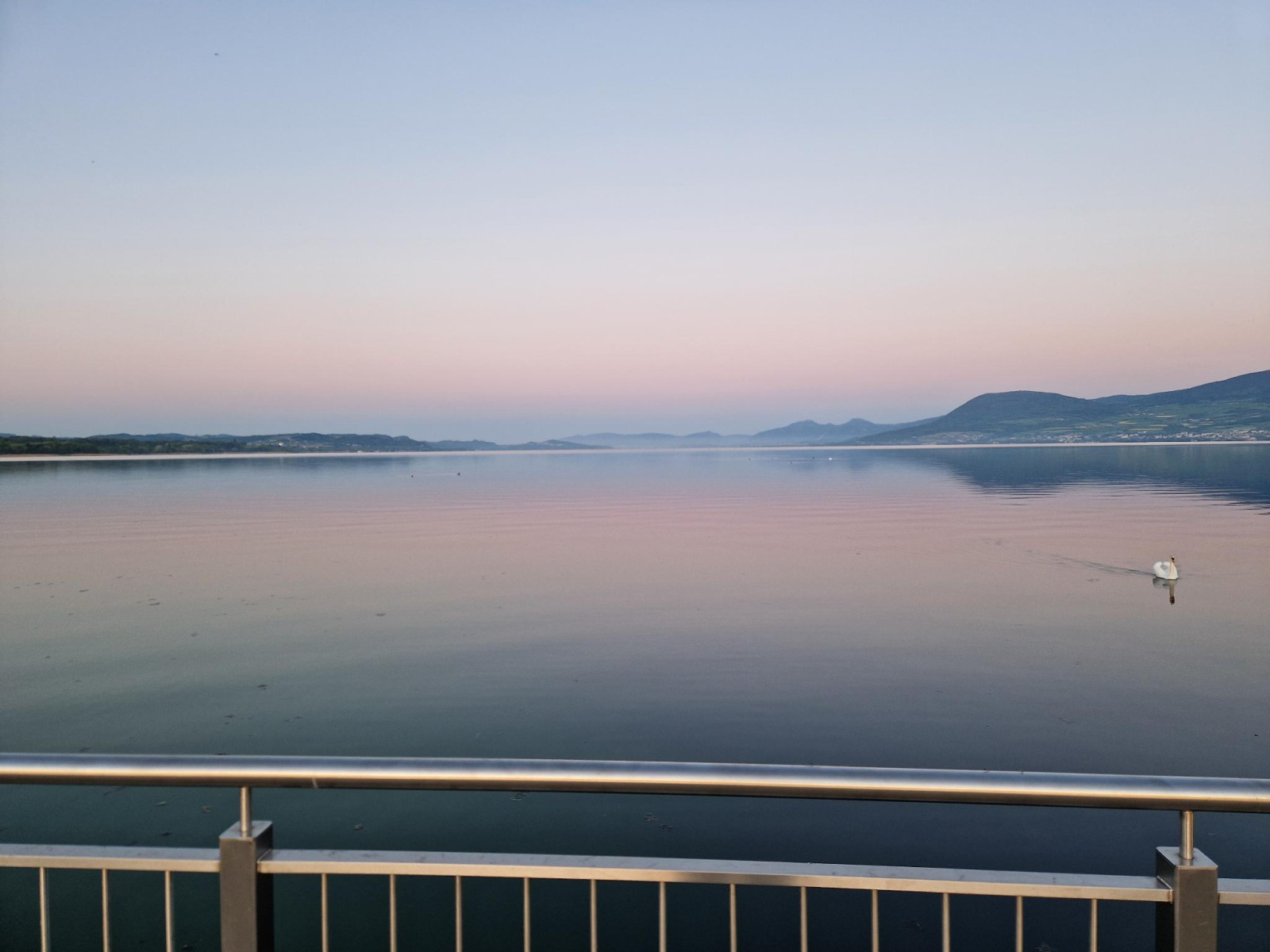
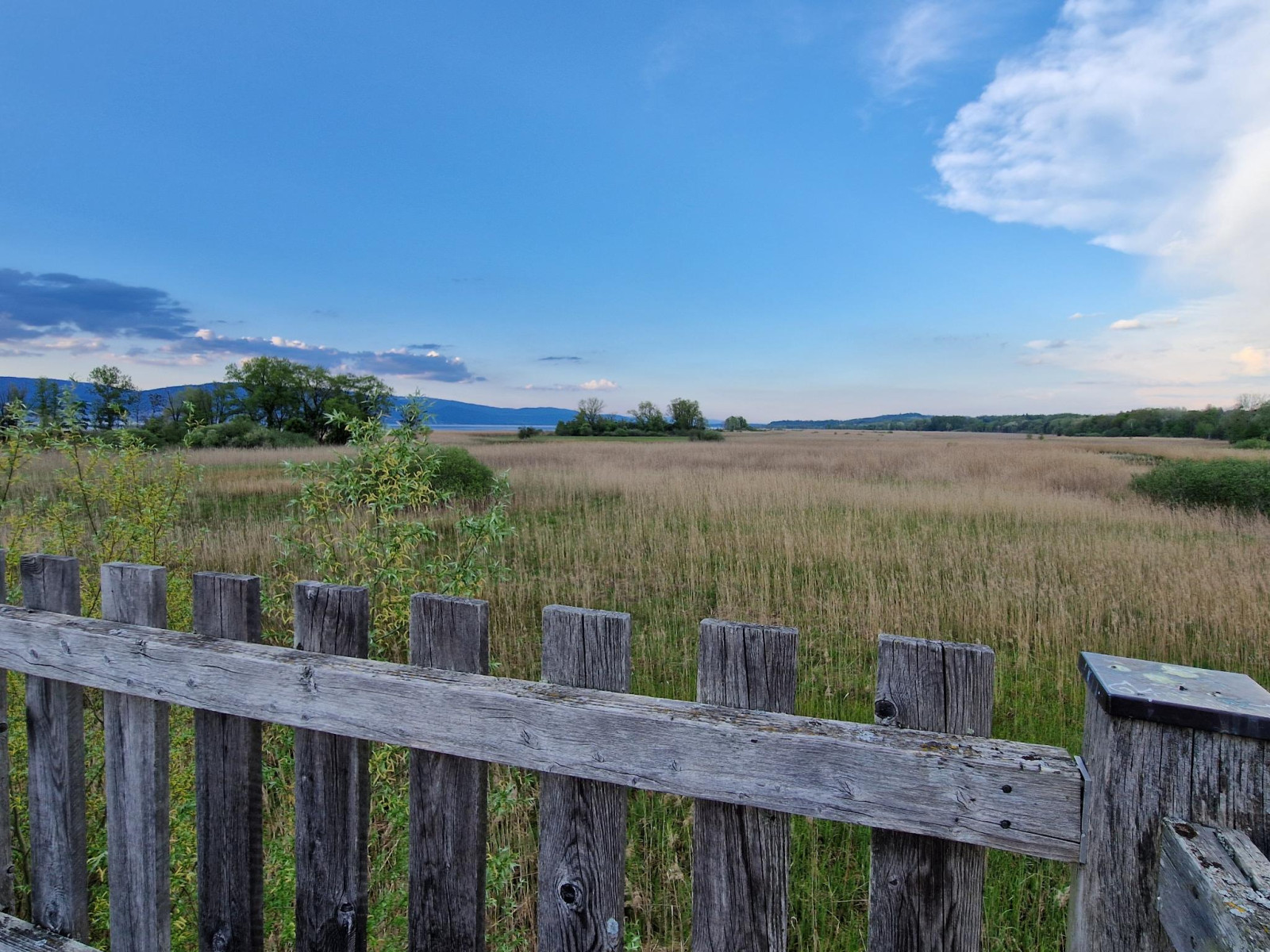
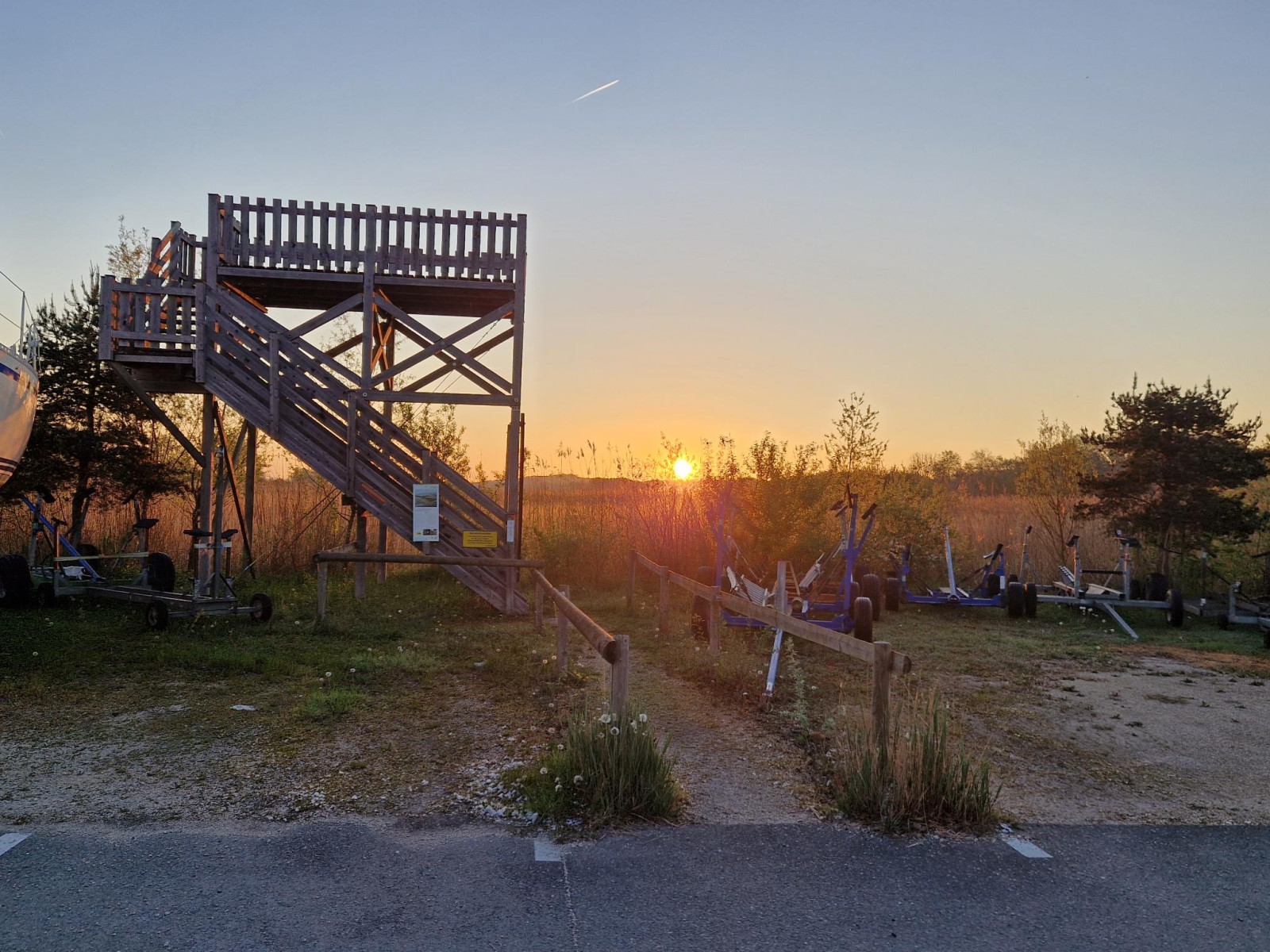
The port of Chevroux cuts right through the largest reed area in Switzerland, the Grande Cariçaie on the eastern shore of Lake Neuchâtel. The geographical layout is similar to that in nearby Gletterens, Estavayer or Yvonand, shaped by four habitat types: riparian forests (1) transition into reeds (2) and then into the lake (3). The fourth habitat is the park-like pier (4), which - as in the other places - features a marina and a bathing beach. Worth mentioning is the somewhat hidden platform that offers a good view of the reeds (including a colony of Cormorán Grande).
The species you can observe here (in total, 225 are recorded) are also comparable to those at the other sites: the forest is home to Cuco Común and Oropéndola Europea, from the reeds you’ll hear Bigotudo, Buscarla Unicolor, Avetorillo común and Carricero Tordal, the transition zone provides some space for Andarríos Chico, and on the water you’ll see various ducks and Somormujo Lavanco. Charrán Común breed some years and can be observed on the pilings. Colirrojo Tizón nests on the buildings and Colirrojo Real in the bushes. The pier offers a good spot to watch waders and birds of prey migrating along the lake during the right periods.
There’s not much space for resting birds though; in Chevroux, recreational use dominates. If you can choose, you’ll probably prefer the shores at Gletterens, Estavayer, Yvonand or of course the two great reserves at Yverdon (south) or the Fanel / Chablais de Cudrefin (north). Worth highlighting is the pier, which extends far into the lake and gives a good overview of the area. Especially from October to March there are chances for interesting winter visitors: Somormujo Cuellirrojo and Serreta Mediana are reported regularly, the rare Porrón Bastardo quite often. There is one record each of rarities like Págalo Pomarino, Negrón especulado and Cisne Chico. In November 2021 and 2022, a Escribano Nival was observed.
Detalles
Accesso
The port of Chevroux is located on the eastern shore of Lake Neuchâtel. The entire area is wheelchair accessible. It’s best reached by bus from Payerne. Local parking spaces are scarce.
Terreno y habitat
Bosque , Humedal , Cañizos , Lago , PlayaCondiciones
PlanoCamino circular
No¿Se necesita telescopio?
SíBuena época para el avistamiento de aves
Todo el añoMejor momento para visitar
Invierno , Migración de primaveraRuta
Camino ancho , Camino pavimentadoCamino difícil de andar
FácilAccesible vía
A pie , Bicicleta , Silla de ruedasEscondite de observación / plataforma
SíInformación extra
If you’re birding here, you’ll usually find yourself alone among recreational visitors; an early morning visit is recommended.


 ) insertar los nombres de aves en tu propio idioma. ¡Los nombres de las aves serán traducidos automáticamente para otros usuarios!