Descripción
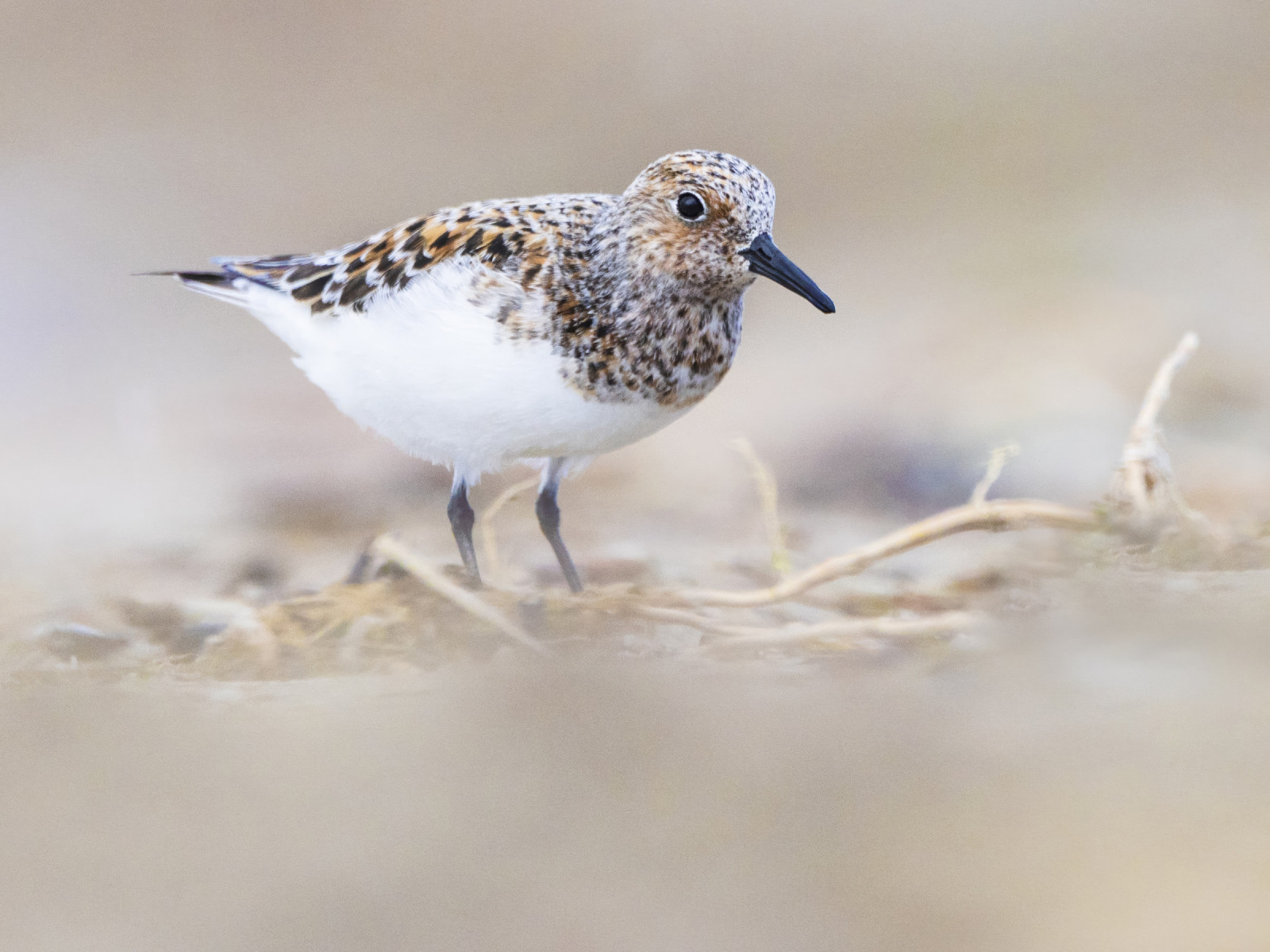
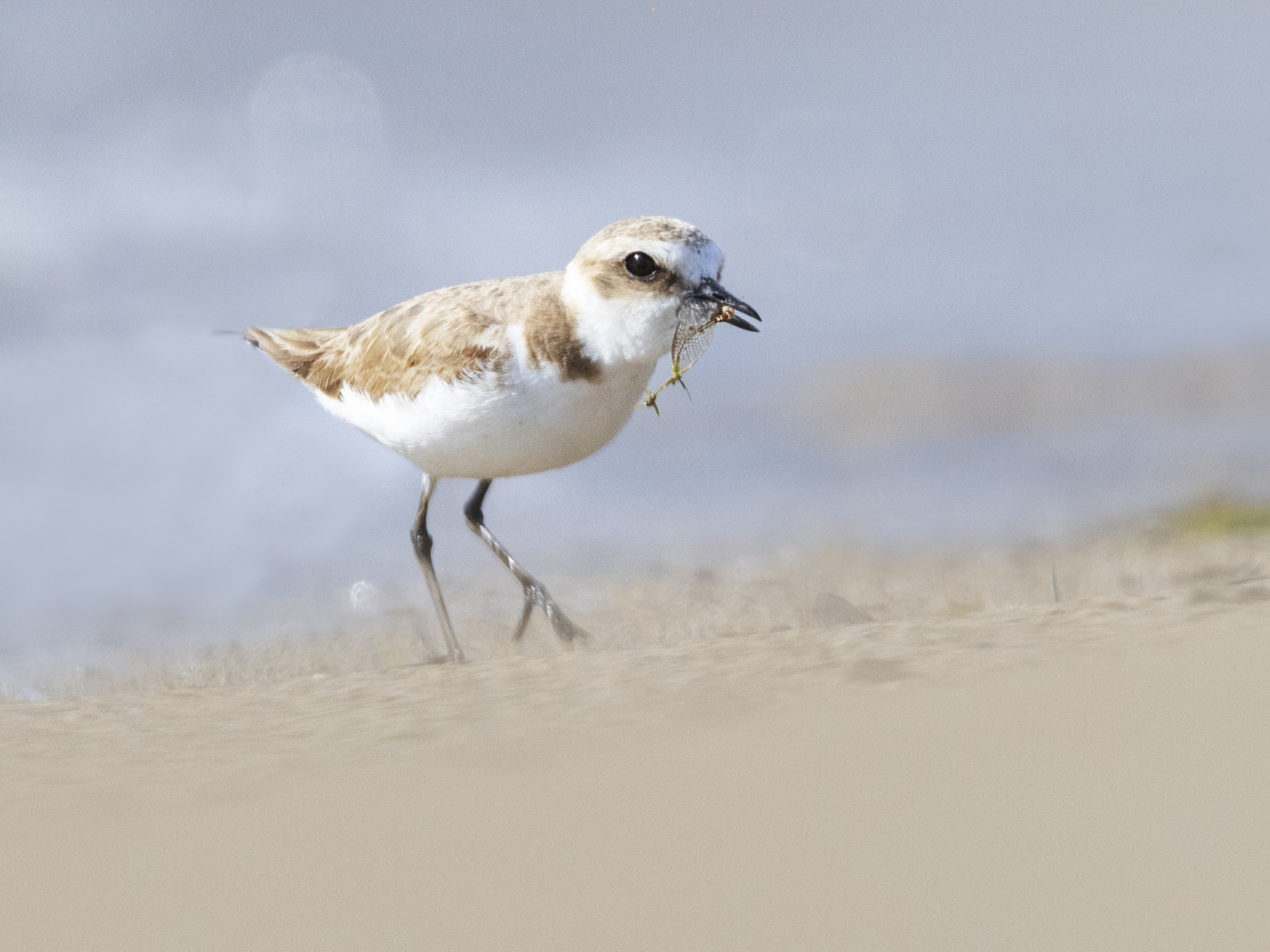
The canal and harbour of Gletterens are located in the middle of the Grand Cariçaie, the largest reed bed in Switzerland, which runs along the south-eastern shore of Lake Neuchâtel. Over 250 species have already been recorded here. Similar rarities have been sighted as in nearby Fanel, such as Cormorán Pigmeo, Págalo Grande, Chorlitejo patinegro, Archibebe Fino, Escribano Nival, Charrán Rosado, Agachadiza Real, and Charrancito Común.
The area is characterised by reed beds, alluvial forests, sandy beaches and lakes. Swimming is permitted on the beach, which is why the early hours of the morning are usually best for observation. The area can be walked through in a few minutes - but it also provides hours of ornithological pleasure.
The reed bed is considered one of the best places in Switzerland to observe Bigotudo. The Agachadiza común breeds here, as do Carricero Tordal, Martín Pescador Común, Buscarla Unicolor, Avetorillo común, and Aguilucho Lagunero Occidental.
The forest is a breeding ground for Alcotán Europeo, Cuco Común, Oropéndola Europea, and various woodpeckers, notably the Pico Menor. On the lake you can observe terns, mostly Charrán Común , but also rare species.
The site is attractive in autumn and winter as well, when Grulla Común and Esmerejón are resting, and with a bit of luck you might spot a Porrón Bastardo on the lake or a Avetoro Común wintering in the reeds.
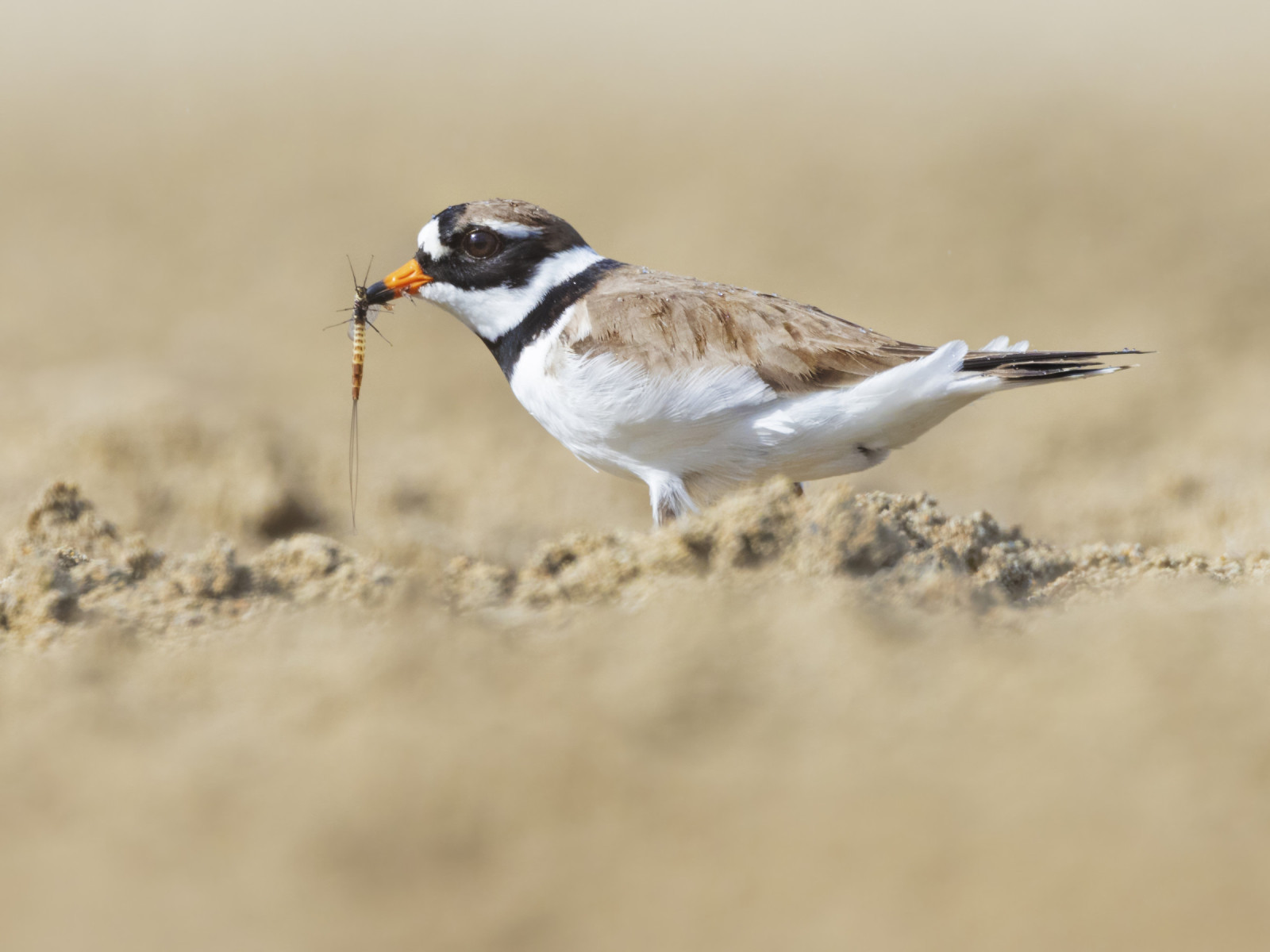
However, the best time is undoubtedly the end of April and the first two weeks of May. Cernícalo Patirrojo regularly benefit from the insects on offer during their migration, and waders like Chorlitejo Grande, Correlimos Tridáctilo, Chorlitejo patinegro, Vuelvepiedras Común, and many others feed on the hatching mayflies.
Detalles
Accesso
The Canal et Port de Gletterens area can be reached by bus 544 from Fribourg, although this line does not have ornithologist-friendly timetables. The bus stop Gletterens, lac is 5 minutes from the beach. There is also a parking nearby. Press P on the map for directions to a parking spot. The area can be explored on foot and is wheelchair accessible.
Terreno y habitat
Bosque , Humedal , Cañizos , Playa , LagoCondiciones
PlanoCamino circular
Sí¿Se necesita telescopio?
Puede ser útilBuena época para el avistamiento de aves
Todo el añoMejor momento para visitar
Primavera , Migración de primaveraRuta
Camino anchoCamino difícil de andar
FácilAccesible vía
A pieEscondite de observación / plataforma
NoInformación extra
Do NOT leave the paths, as the area around is very vulnerable and strictly protected.


 ) insertar los nombres de aves en tu propio idioma. ¡Los nombres de las aves serán traducidos automáticamente para otros usuarios!