Descripción
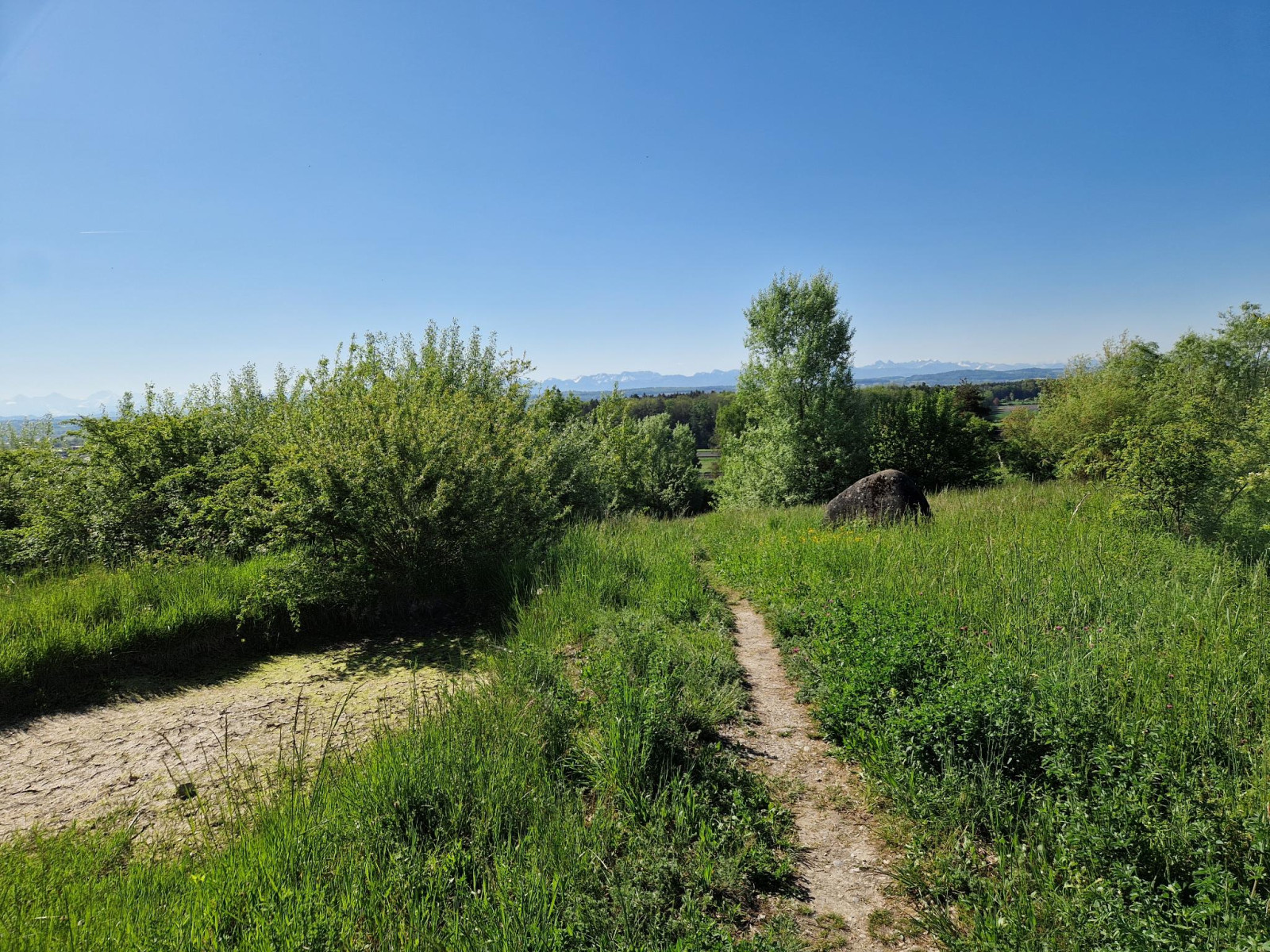
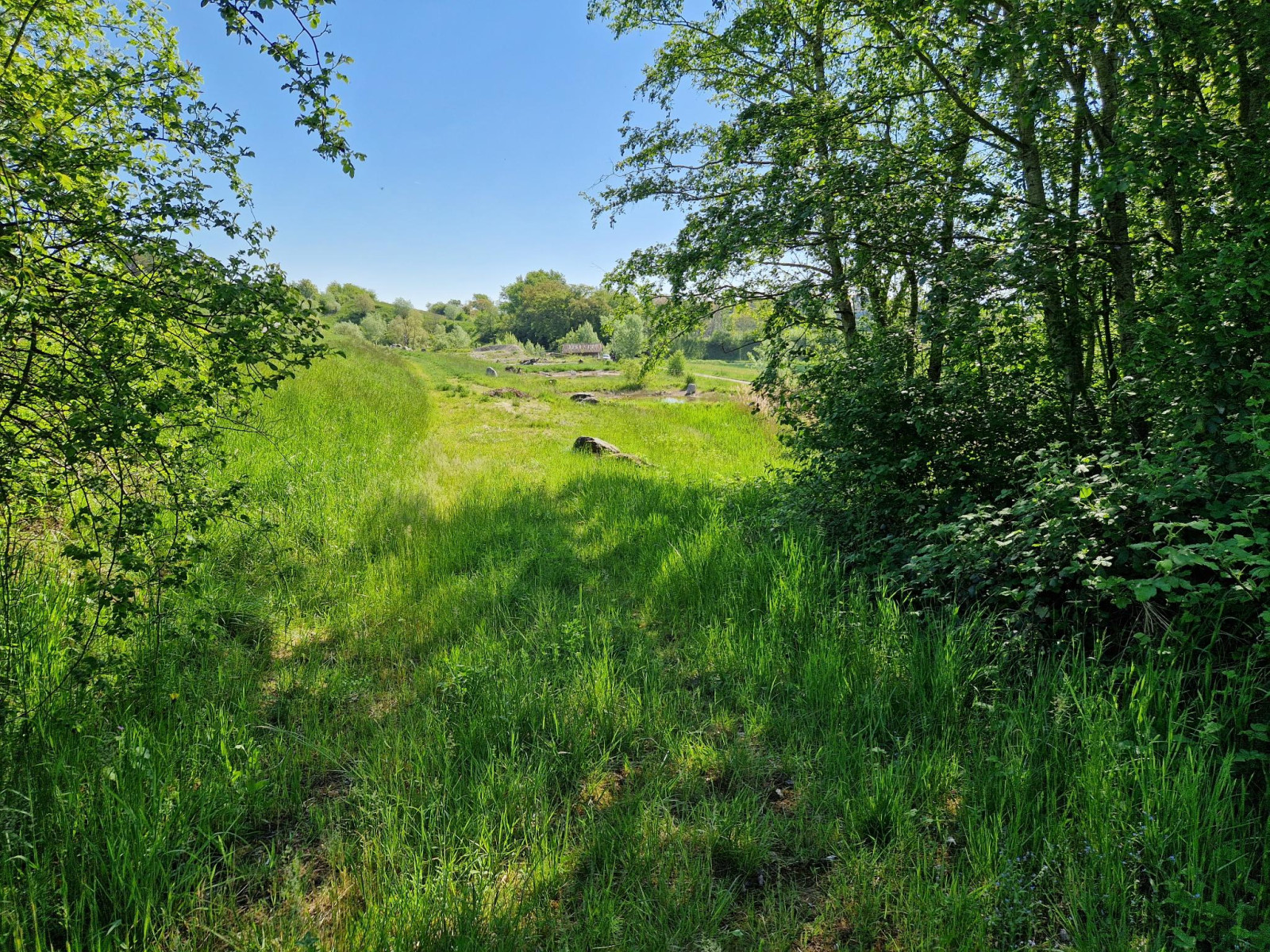
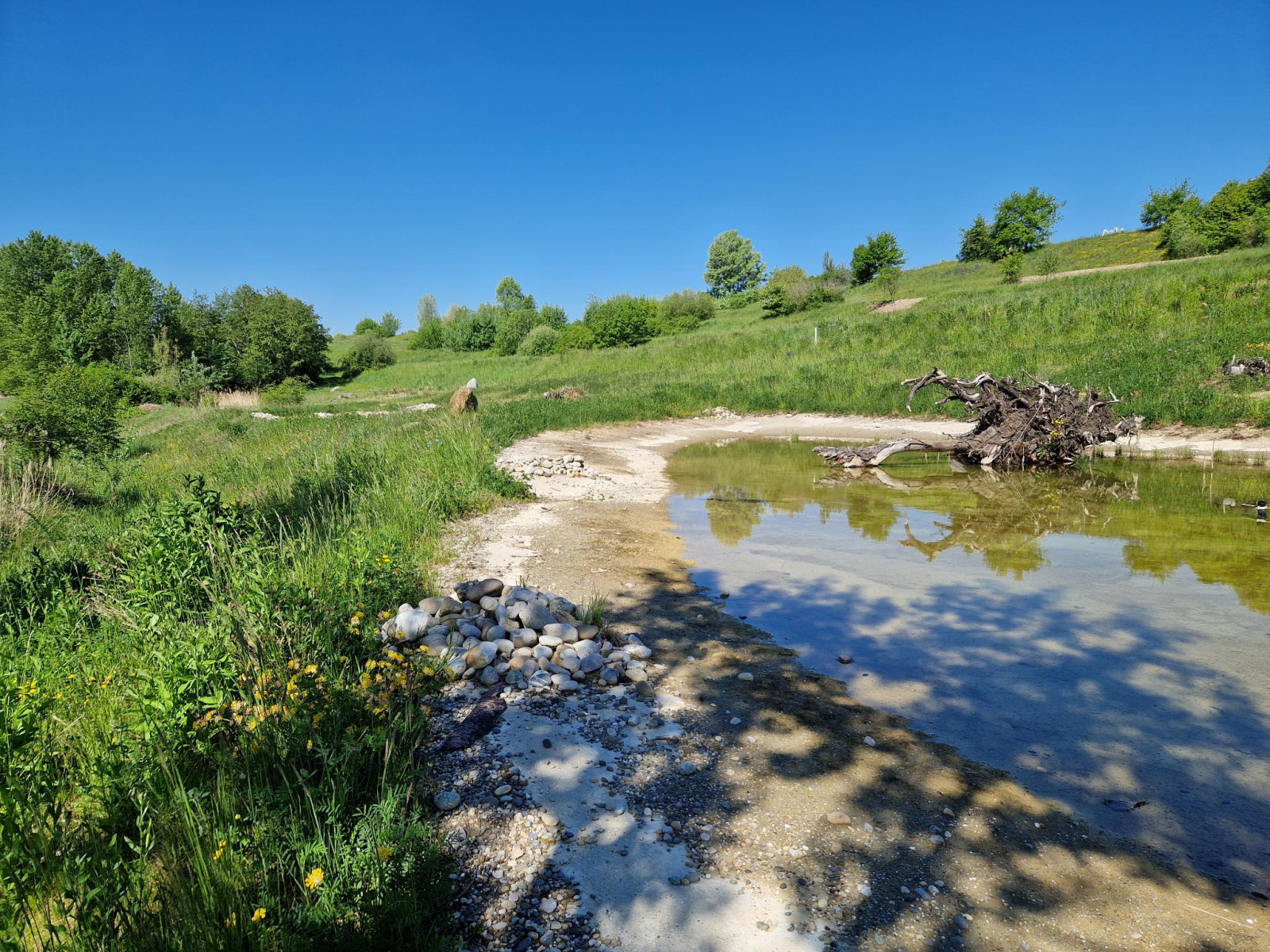
About 150 species have so far been recorded in this tiny nature reserve. Bir länge Stude is part of the Grosses Moos in the north of Lake Neuchâtel. It consists of a south-facing slope with semi-dry meadows (1), richly structured hedges (2) and a restored gravel pit (3). At the foot of the slope, some ponds have been created for amphibians (4); a small, ecologically managed vineyard (5) is cultivated here on a voluntary basis.
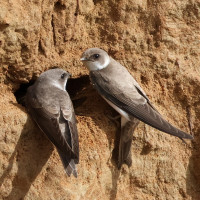
The typical birds of these habitats, which have become rare elsewhere, include Curruca Zarcera, Ruiseñor Común, Alcaudón Dorsirrojo, Tarabilla Norteña, Colirrojo Real and Tarabilla común. The orchard trees provide food for Torcecuello Euroasiático. Especially in the tree groups lower down (6) you’ll find Tórtola Europea and Oropéndola Europea. One of the main target species of conservation efforts here is the Escribano Triguero, which has one of its last refuges in Switzerland in the Grosses Moos. Somewhat less frequently, Buscarla Pintoja, Curruca Zarcerilla and Codorniz Común are also seen. Noteworthy too is the large colony of Avión Zapador in the restored gravel pit. From there, the call of the Abejaruco Europeo has been heard repeatedly - so far probably only from migrating individuals.
During spring migration, rare relatives of the habitat’s typical resident species turn up again and again: Terrera Común, Escribano Hortelano, Estornino Rosado, and most recently a Alcaudón Común have been sighted. Búho Campestre and Cernícalo Patirrojo have also already stopped over in the area.
Detalles
Accesso
Bir Länge Stude is located between the villages of Müntschemier and Ins. The area is not specifically wheelchair accessible, but is mostly walkable on small paths. It’s somewhat remote and best reached by bike or on foot.
Terreno y habitat
Bosque , Agricultura , Árboles y arbustos dispersos , Pradera , EstanqueCondiciones
Montañoso , Paisaje abiertoCamino circular
Sí¿Se necesita telescopio?
NoBuena época para el avistamiento de aves
Primavera , Verano , OtoñoMejor momento para visitar
Migración de primaveraRuta
Camino ancho , Camino sin asfaltarCamino difícil de andar
FácilAccesible vía
A pieEscondite de observación / plataforma
NoInformación extra
If you’re birding here, you’ll often find yourself alone in open fields. An early morning visit is recommended.



 ) insertar los nombres de aves en tu propio idioma. ¡Los nombres de las aves serán traducidos automáticamente para otros usuarios!