Descripción
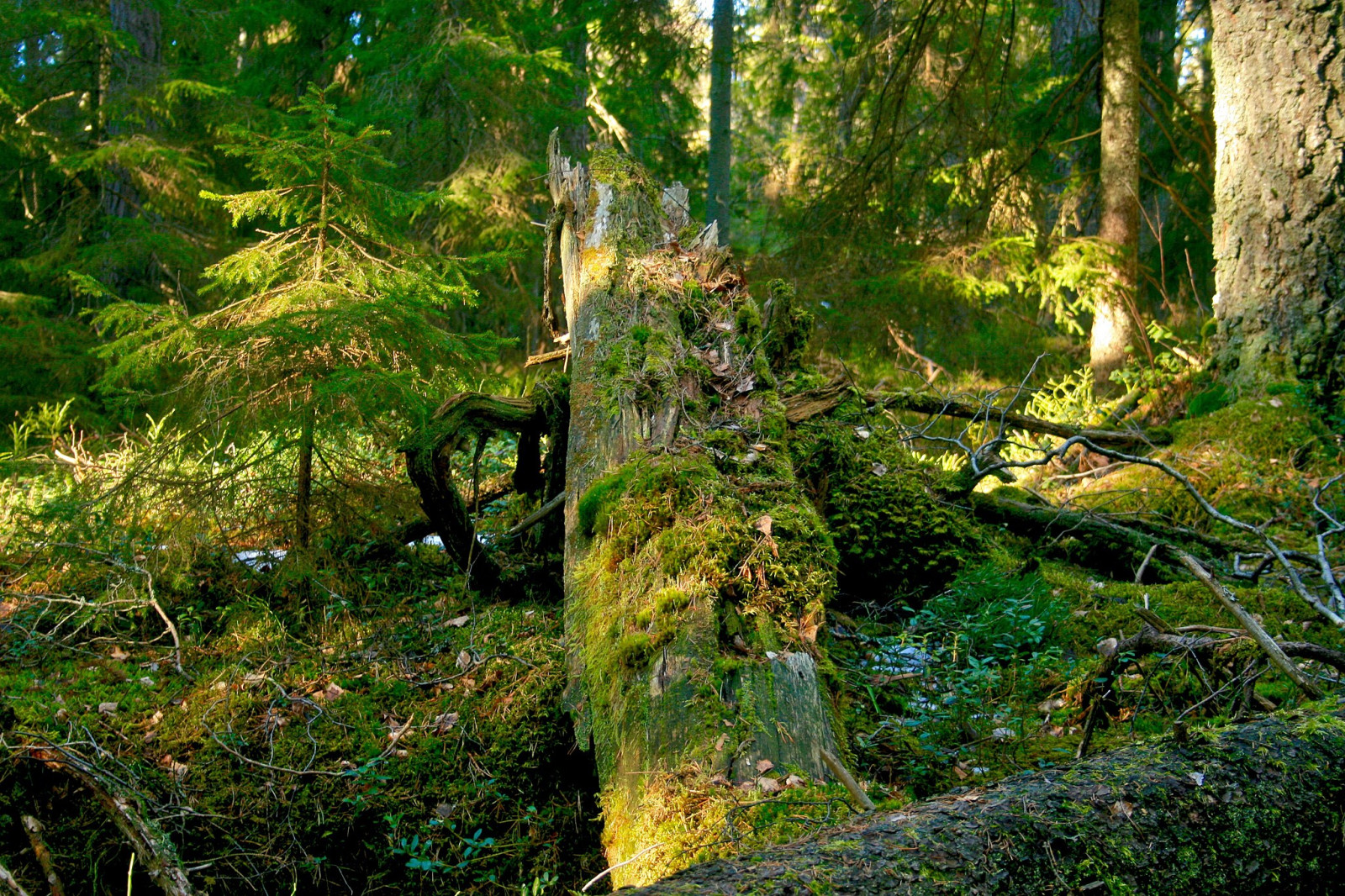
Tyresta National Park is the largest area of ancient forest in the southern part of Sweden. The park is surrounded by Tyresta Nature Reserve, and together they contain 5,000 hectares with 55 km of walking trails. The forest is characterized by thick, knotty pines with centuries of growth and towering spruce trees with mosses and lichens. The forest cover is interrupted by rivers, lakes and ponds. Tyresta National Park has several entrances and areas to explore. Here we describe the area around Barnvagnsslingan loop, a 5 km circular walk from the main entrance.
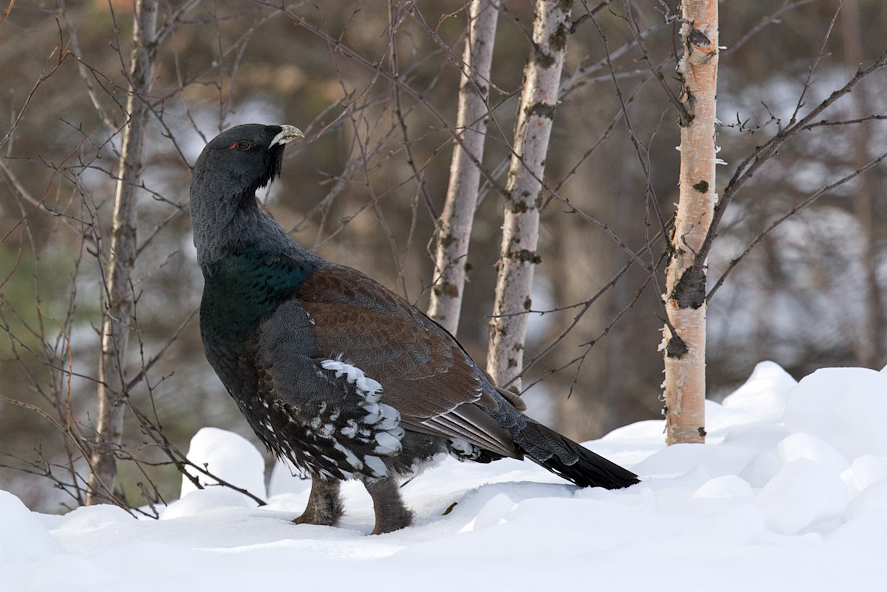
Breeding bird species in Tyresta National Park include Urogallo Común, Gallo lira común, Porrón Osculado, Cerceta Común, Porrón Moñudo, Cisne Cantor, Colimbo Ártico, Zampullín Cuellirrojo, Águila Pescadora, Avefría Europea, Papamoscas Cerrojillo, Curruca Zarcera, Andarríos Chico, Andarríos Grande, Chocha Perdiz, Carbonero Montano, Trepador Azul, Agateador Euroasiático, Chotacabras Europeo, Torcecuello Euroasiático, Grulla Común and Abejero Europeo.
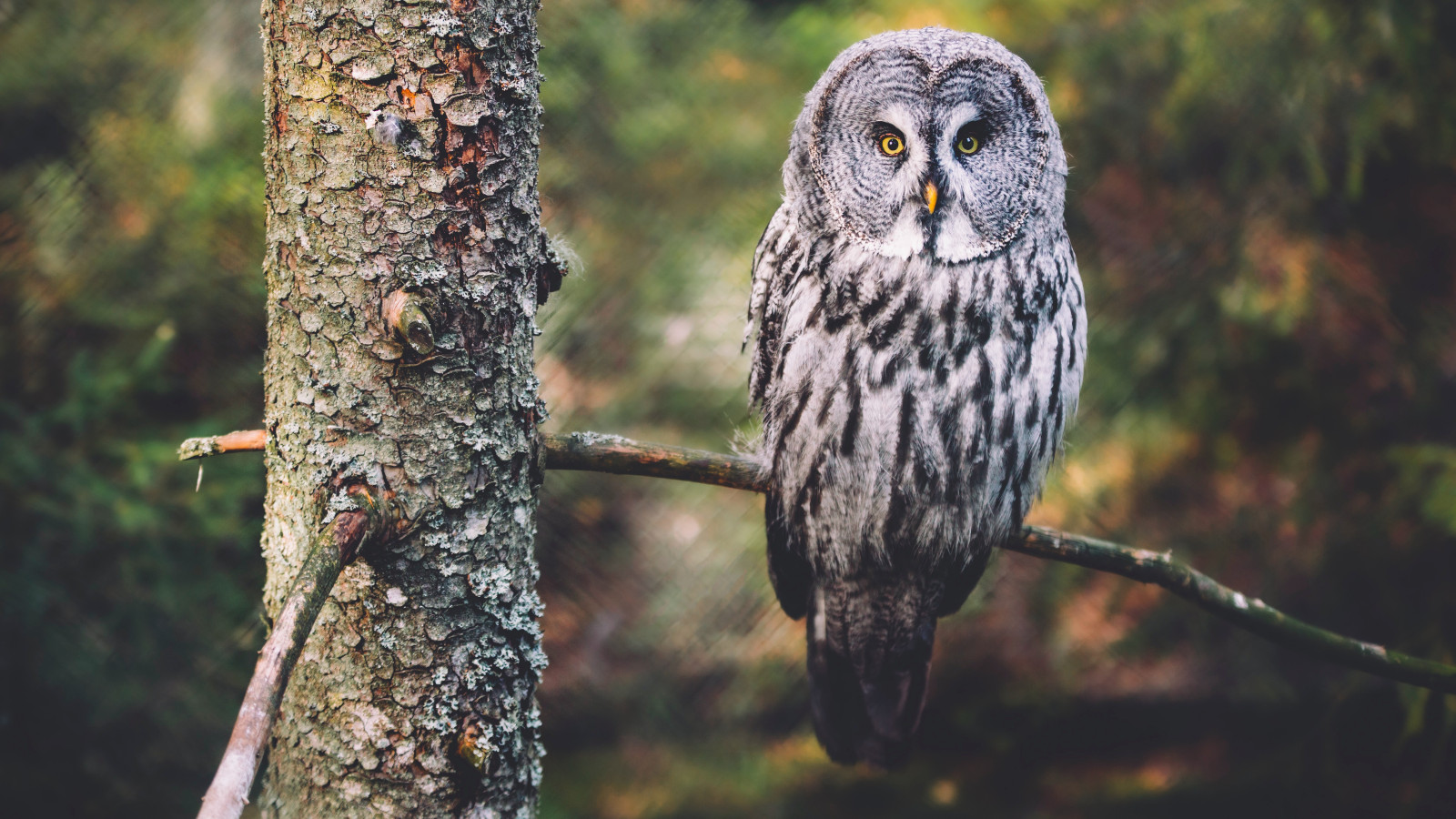
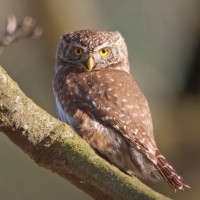
Species such as Cárabo Lapón and Mochuelo Alpino are sometimes seen with luck. Grévol Común is probably also a resident but very difficult to see. Otherwise there are species such as Escribano Cerillo and Camachuelo Común which are regularly seen in the winter half of the year in particular. Pigargo Europeo is seen regularly.
Detalles
Accesso
Tyresta National Park is only 20 kilometres from Stockholm city. Take route 73 from Stockholm toward Nynäshamn, exit toward Brandbergen, then follow the signs to Nationalpark. Click on the P in the map for directions.
Tyresta village and Nyfors are served by public transport. To visit via public transport, buses 807 and 809 depart from Gullmarsplan, and bus 834 from Haninge commuter train station. The name of the end station is Tyresta by.
From the entrance to the national park, a concrete path stretches across a meadow to the forest edge. From there a wooden boardwalk leads to a small gathering place beside Bylsjöbäcken stream. Here starts Barnvagnsslingan loop (5 km long, red markings) which is free of roots and rocks, and thus easy to walk. At some places it is quite steep, especially at the beginning. From this path you can explore several smaller side paths which are often best for birding. Near the parking is a visitor center, a cafe and toilets.



 ) insertar los nombres de aves en tu propio idioma. ¡Los nombres de las aves serán traducidos automáticamente para otros usuarios!