

Descripción
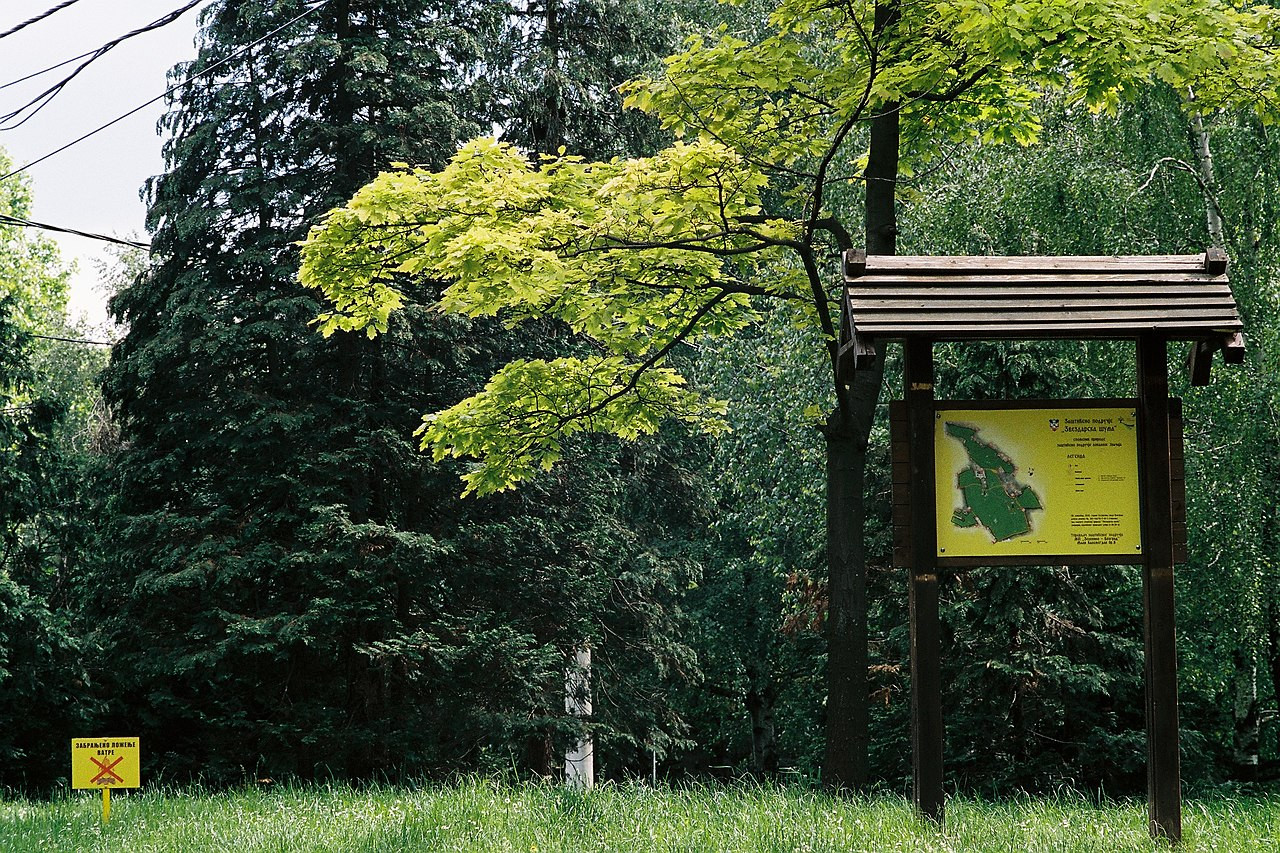
Zvezdara Forest (Zvezdarska šuma in Serbian) is fantastic in the early mornings before dog walkers and joggers are up. With 137 hectares, out of which 21 hectare is a more open park area, it is one of the largest city parks in Belgrade.
Forest planting began in 1933, with the most massive forestation occurring from 1948 to 1950 when tens of thousands of seedlings were planted. The most common tree species in the forest include black locust, black poplar, Canadian poplar, sycamore maple, pedunculate oak, black pine and Scots pine. In 2009 an average tree age was estimated at 50 years.
Zvezdara Forest is inhabited by almost 90 bird species, from Cárabo Común, Pico Mediano, Pico Sirio, Pito Real and Picamaderos Negro to Oropéndola Europea, Carbonero Palustre, Zarcero Icterino, Curruca Zarcerilla, Ruiseñor Común, Papamoscas Cerrojillo, Serín Verdecillo, etc. This park is especially good during migration (warblers, flycatchers): Papamoscas Gris , Mosquitero Silbador , Papamoscas Acollarado , Reyezuelo Listado; and in winter (various finches): Pinzón Real , Jilguero Lúgano , Zorzal Charlo , Zorzal Alirrojo , Picogordo Común , Camachuelo Común , Reyezuelo Sencillo...
Photo Wikimedia Commons
Detalles
Accesso
To get there, take bus line 65 to the “Zvezdara Forest” stop. Zoom in on the map and click on the "P" (parking) sign for driving directions.
There are a myriad of walking paths, so I marked instead the best entrance or exit points ("P").
Terreno y habitat
BosqueCondiciones
Camino circular
Sí¿Se necesita telescopio?
NoBuena época para el avistamiento de aves
Todo el añoMejor momento para visitar
Invierno , Migración de primavera , Primavera , Migración de otoñoRuta
Camino sin asfaltar , Camino pavimentadoCamino difícil de andar
FácilAccesible vía
A pieEscondite de observación / plataforma
SíInformación extra
Strictly, the observation tower was not meant for birding purposes, but can be used for birdwatching as well.


 ) insertar los nombres de aves en tu propio idioma. ¡Los nombres de las aves serán traducidos automáticamente para otros usuarios!