Descripción
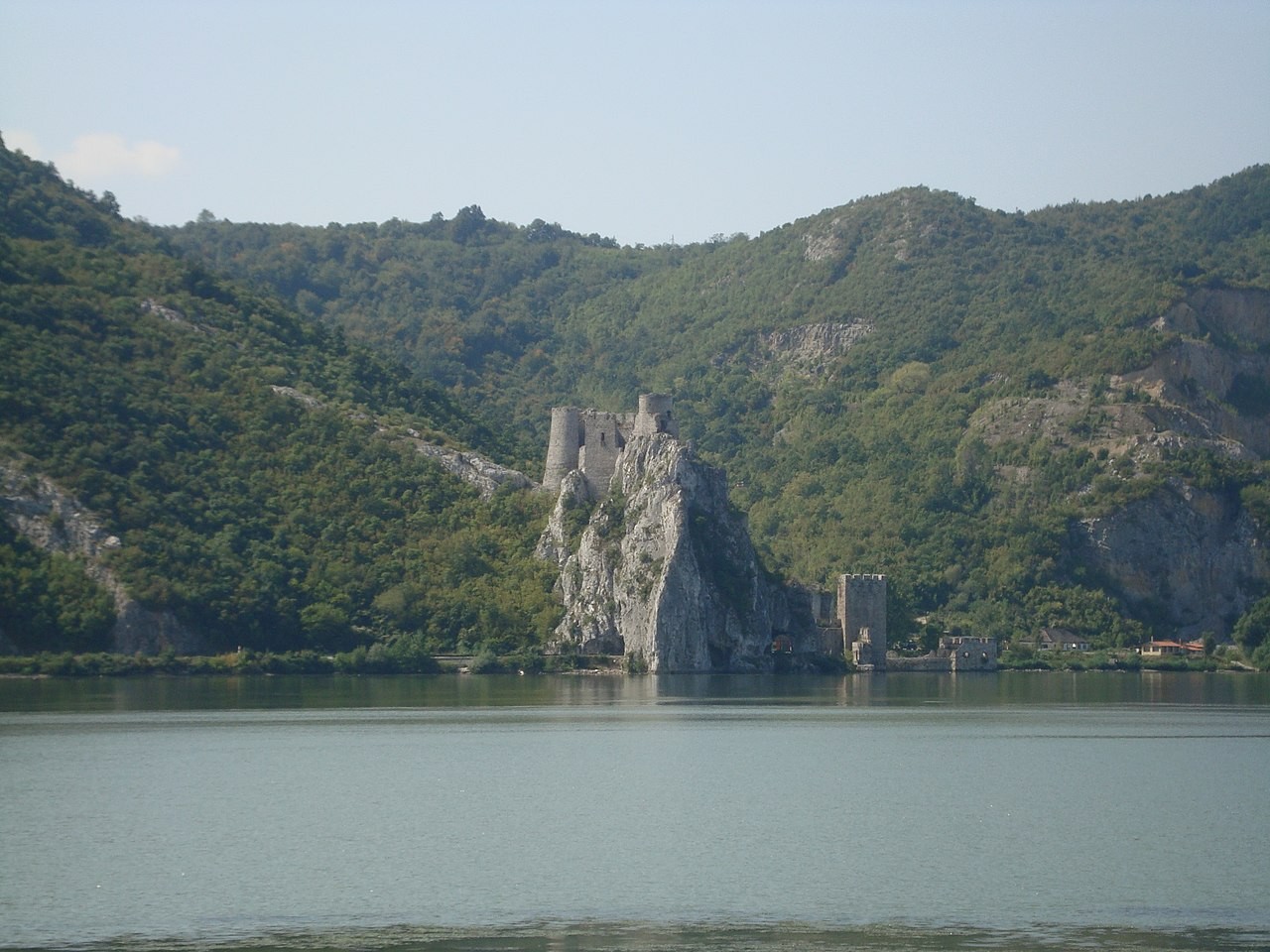
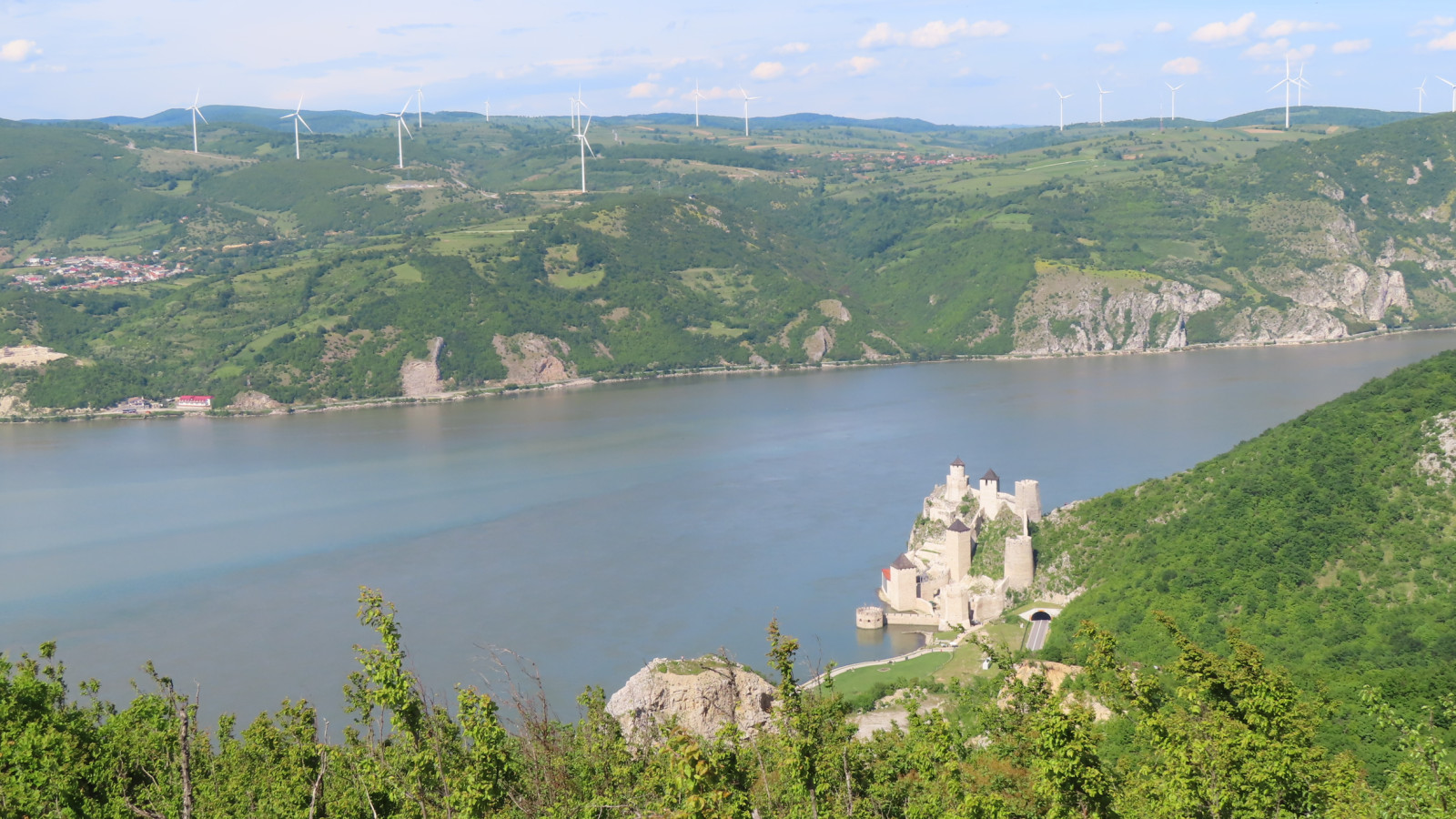
Observe from the main Djerdap magistral road, stopping at the few vantage points which permit scanning across the vast Danube surface. In winter, a spotting scope is necessary.
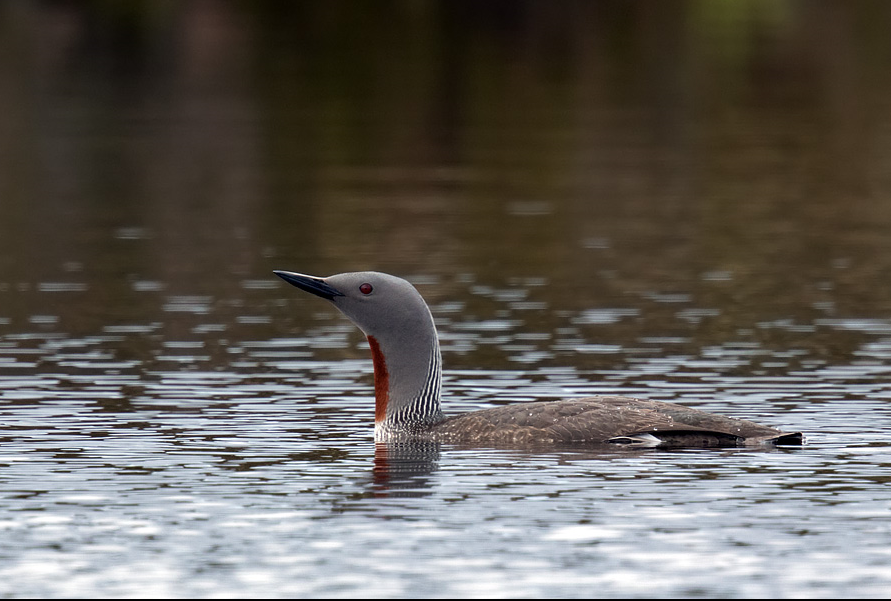
In winter you can expect Porrón Bastardo, Serreta Chica, Serreta Grande, Serreta Mediana, Porrón Osculado, Colimbo Ártico and Colimbo Chico, Zampullín Cuellirrojo, Cormorán Pigmeo, Ánsar careto, sometimes Negrón especulado. While you are near the Golubac fortress, check the nearby rock faces and quarries for Treparriscos. Finally, to find a few more duck species, plus the Aguilucho pálido and Aguilucho Lagunero Occidental, visit the more narrow section of the river upstream from the village of Vinci. Avoid windy days – the birds will be looking for cover away from the bank.
In spring, those formidable cliffs are known to hold Vencejo Real (resembling kids screaming on a rollercoaster), Eurasian Avión Roquero, Golondrina Dáurica, and Escribano Montesino.
A strong easterly wind is common in the area, which can make birding challenging.
Photo WikimediaCommons
Detalles
Accesso
By car only. It is possible to scan the water from several unofficial car parks, but also from the promenade inside the town. For driving directions, zoom in on the map and click on the "P" (parking) sign.
130 km or two hours’ drive from Belgrade. Reachable from the Belgrade - Niš motorway, turn off at the Požarevac exit and then follow the signs leading for the Golubac Fortress and the Djerdap National Park. The fortress lies about 70 km from the motorway. For driving directions, zoom in on the map and click on the "P" (parking) sign.
Terreno y habitat
Cañón/acantilado , Lago , RíoCondiciones
Paisaje abiertoCamino circular
No¿Se necesita telescopio?
SíBuena época para el avistamiento de aves
Invierno , PrimaveraMejor momento para visitar
InviernoRuta
Camino pavimentadoCamino difícil de andar
FácilAccesible vía
CocheEscondite de observación / plataforma
NoInformación extra
The first known record of the Golubac Fortress comes from the early 14th century. It changed hands repeatedly until the mid-19th century, when it was turned over to the Serbian Duke Mihailo Obrenovic III.


 ) insertar los nombres de aves en tu propio idioma. ¡Los nombres de las aves serán traducidos automáticamente para otros usuarios!