.jpg)
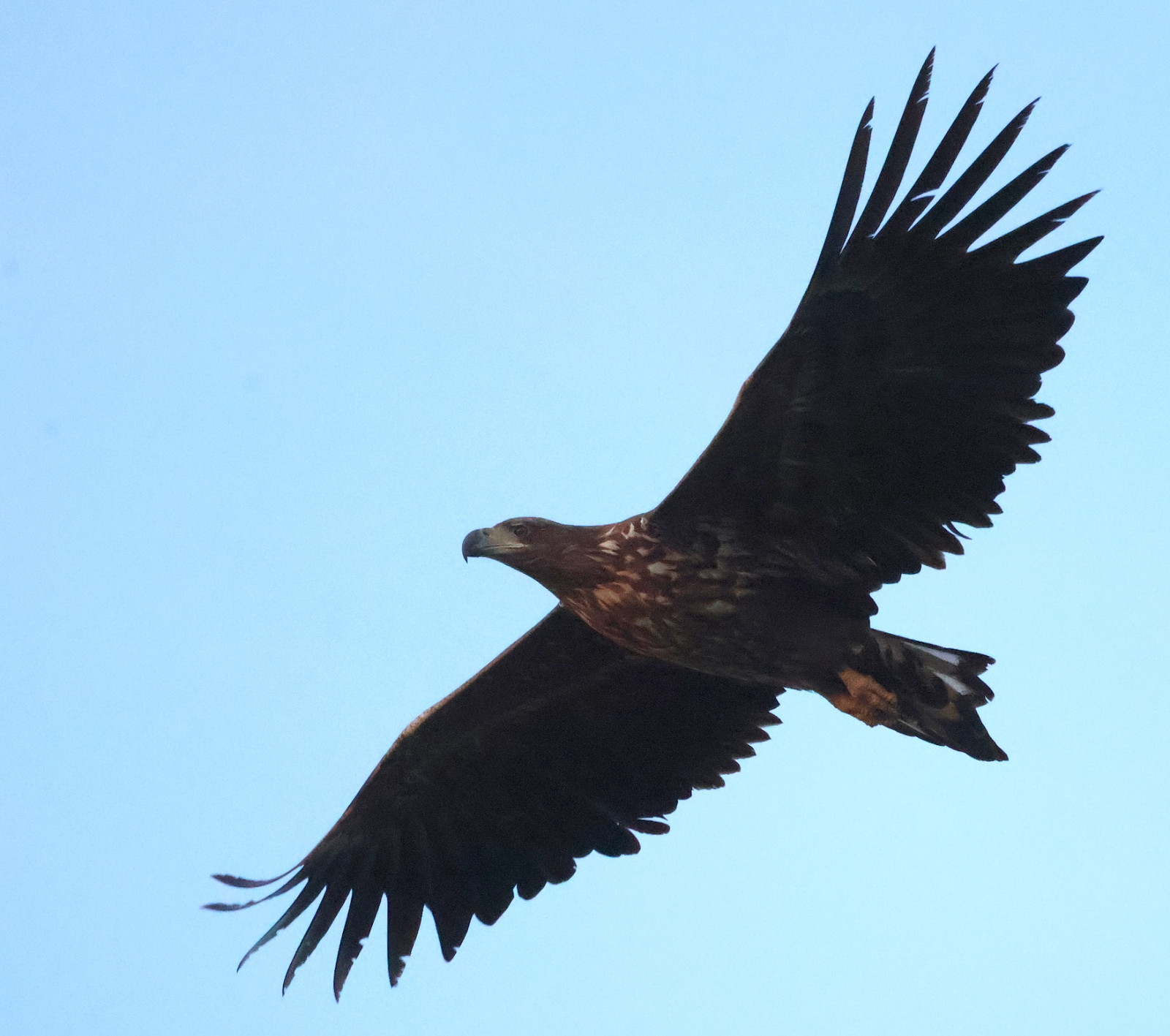
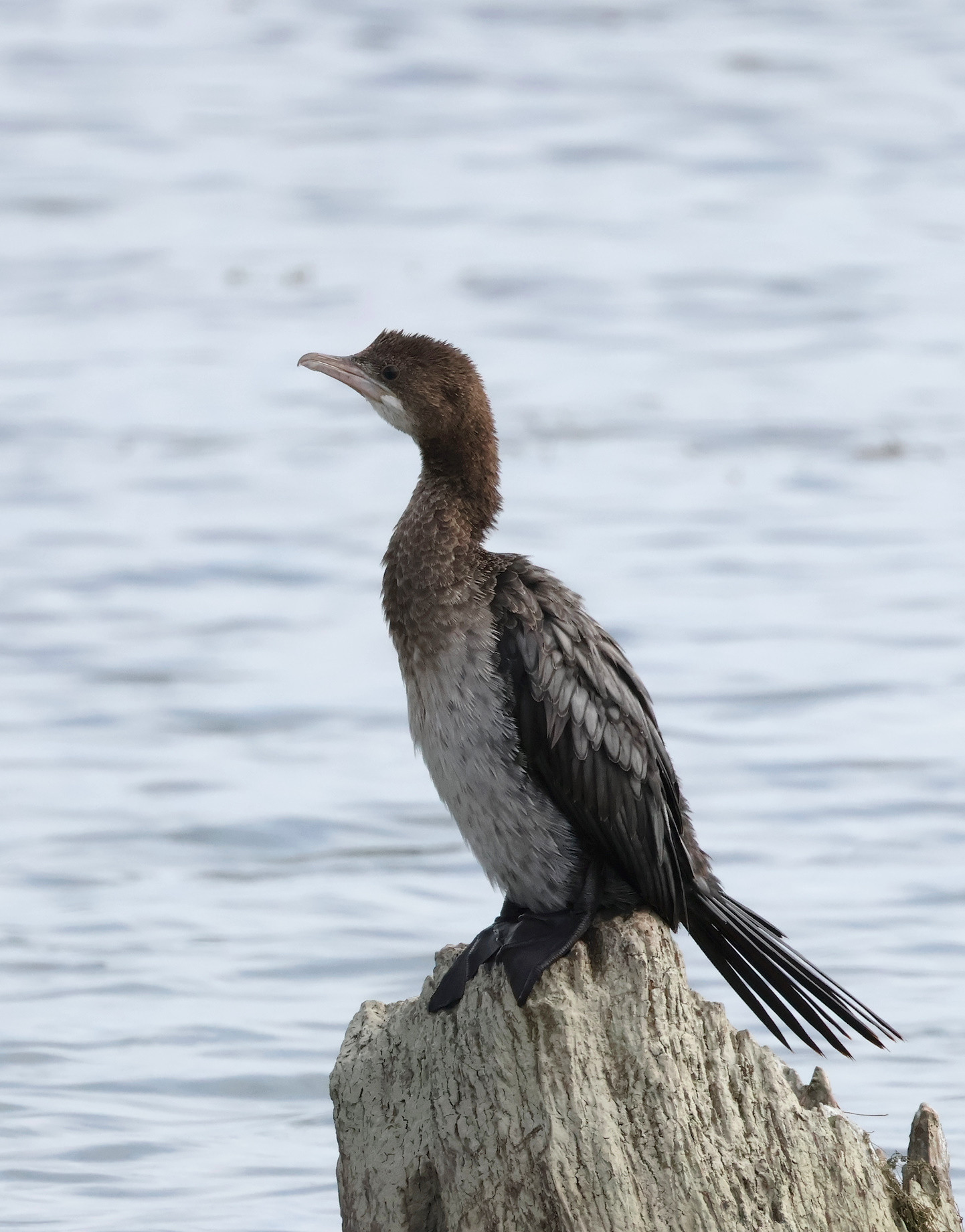
Descripción
Dubovacki Rit Reserve lies between the village of Dubovac and the river Danube, is about a mile long and consists of open water, reedbeds and willow and poplar riparian forest, with adjoining junipers on grassy sand dunes. Surrounding Danube shallows are a significant wintering area for waterbirds.
Once you reach the wetland, checking the western/upriver section is more rewarding in winter, while going east/downriver is more productive in spring. In winter you may look for Águila Moteada, Ánsar Campestre, Ánsar careto, Ánsar común, Tarro Blanco, Serreta Chica, Serreta Grande, Porrón Pardo, Colimbo Ártico, Cormorán Pigmeo, Gaviota del Caspio, Zorzal Real, Zorzal Alirrojo, Zorzal Charlo.
From March onwards for Cerceta Carretona, Cigüeña Negra, Cigüeña Blanca and Martinete Común. From April for Garza Imperial, Avetorillo común, Busardo Moro and three marsh terns ( Fumarel Común, Fumarel Cariblanco, Fumarel Aliblanco ). Rascón Europeo and Polluela Pintoja were also recorded here, as well as Avoceta Común, Correlimos Común and Correlimos Menudo. Tórtola Europea, Abejaruco Europeo, Alcaudón Dorsirrojo, Abubilla común and Avión Zapador (about 5,000 pairs downriver from Dubovac) breed here and are conspicuous in spring.
A strong easterly wind is common in the area, which can make birding challenging.
Photos by Slobodan Puzovic, Mileta Cekovic and Dragan Simic.
Detalles
Accesso
Access is from the village of Dubovac, 70 km / 80 min east of Belgrade. See the map and click on the "P" for the turn-off directions.
The western section is more disturbed by development, although the levee up the Danube is well worth checking, especially in winter. To reach the western section, turn right at the cross junction (coming from the direction of the town of Kovin, route marked on the map).
The eastern section has a more natural feeling and preserved habitats. For the eastern section, follow the second dirt track right, after the Dubovac village.
Technically, you can park wherever and explore further on foot. There's not much shade, so wear a hat and take water with you.
Terreno y habitat
Bosque , Humedal , Pisos de barro , Cañizos , Río , Pradera , Árboles y arbustos dispersosCondiciones
Paisaje abierto , PolvorientoCamino circular
No¿Se necesita telescopio?
Puede ser útilBuena época para el avistamiento de aves
Todo el añoMejor momento para visitar
Invierno , Migración de primavera , Migración de otoñoRuta
Camino sin asfaltarCamino difícil de andar
Caminata mediaAccesible vía
A pie , CocheEscondite de observación / plataforma
NoInformación extra
A spotting scope is necessary in winter, but not in warmer months when binoculars are sufficient.


 ) insertar los nombres de aves en tu propio idioma. ¡Los nombres de las aves serán traducidos automáticamente para otros usuarios!