Descripción
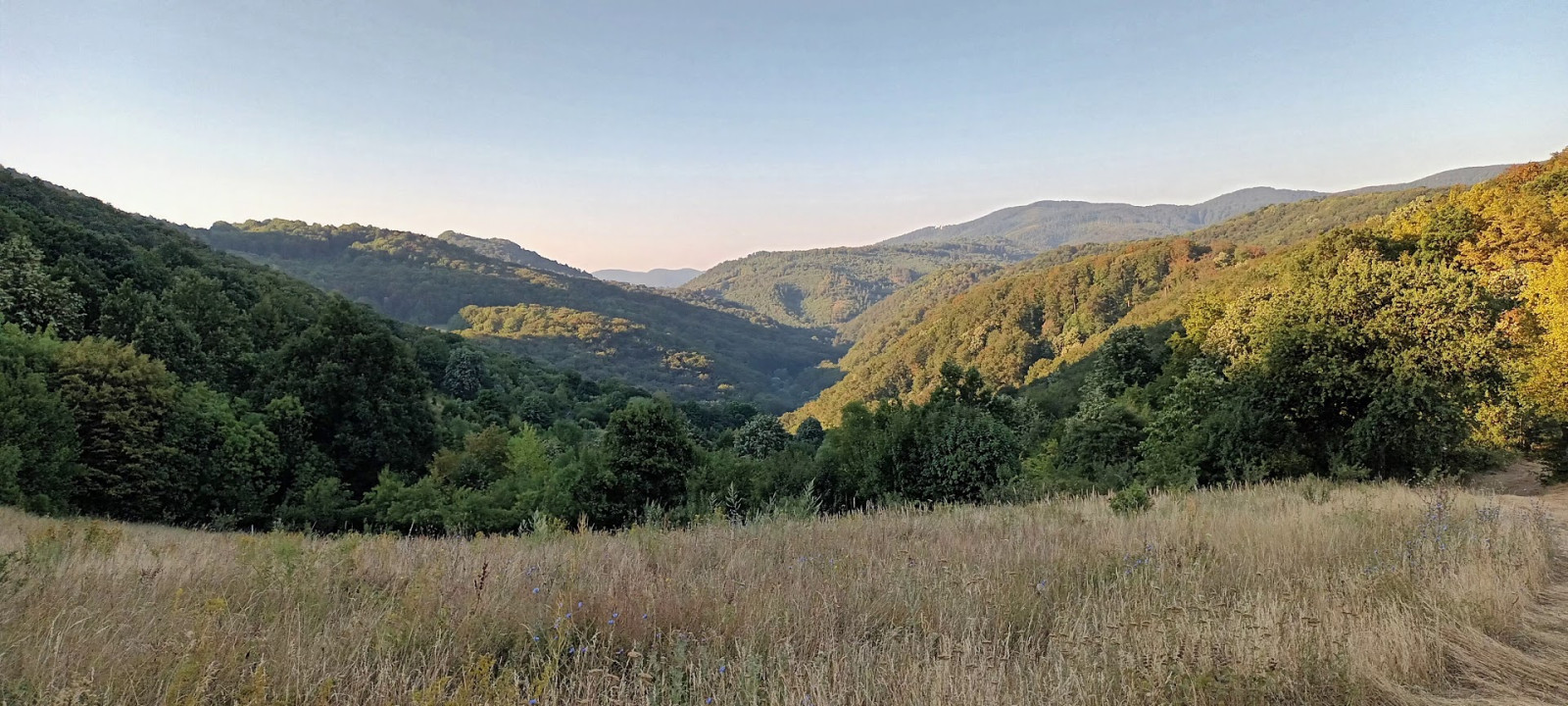
Djerdap National Park encompasses the River Danube and a narrow mountain belt, two to eight kilometres in width, reaching 50 (the Danube level) to 800 metres above sea level (Somrda Mt., 1). About 70 per cent of the national park is covered by broadleaved forest (mostly beech and oak) and scrub, while the rest are meadows and orchards, limestone cliffs, boulders and scree, and the rivers.
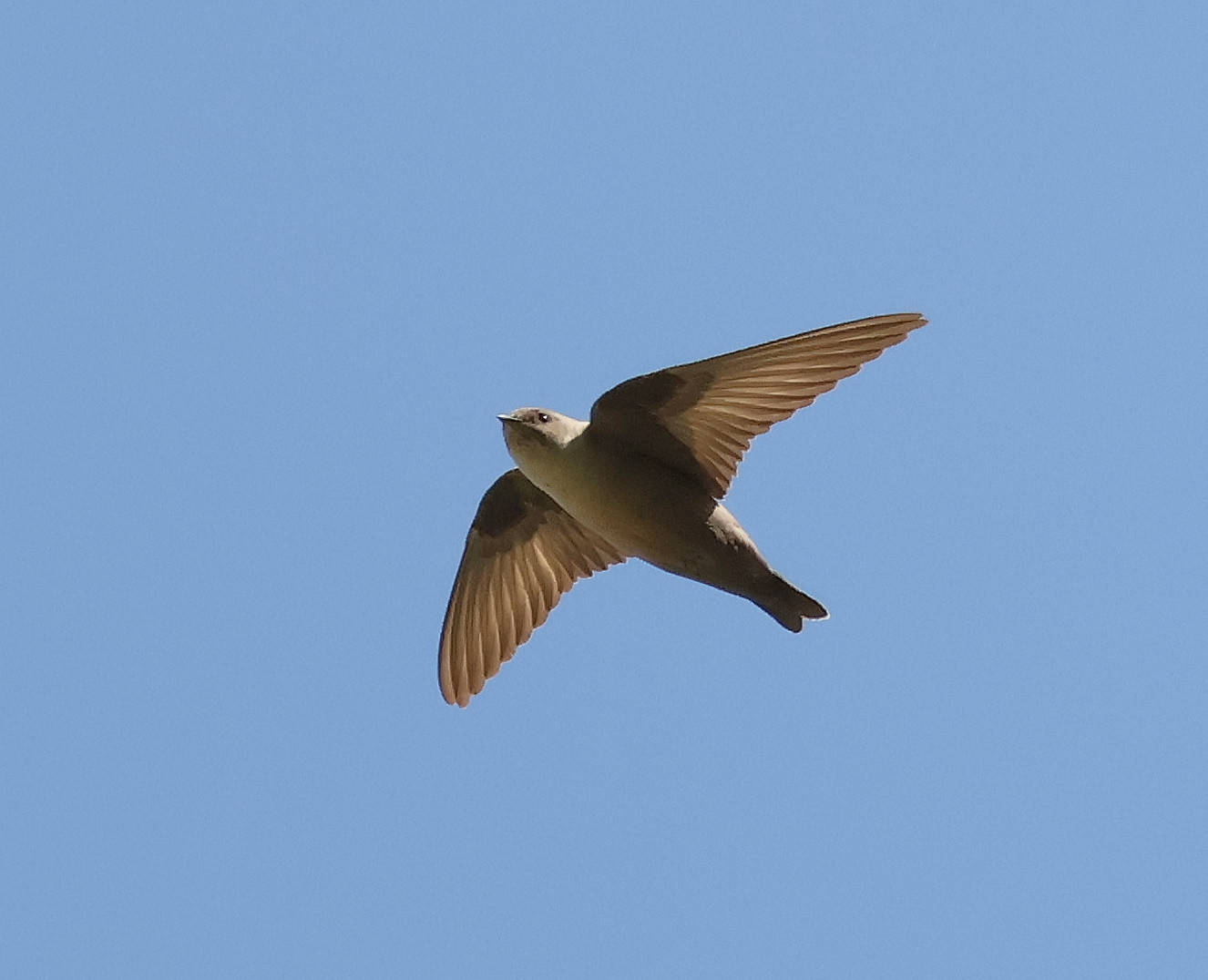
About 170 bird species have been recorded in the park, including Abejero Europeo, Pigargo Europeo, Culebrera Europea, Águila Pomerana, Águila Real, Águila calzada, Azor Común, Milano Negro, Halcón Peregrino, Grévol Común, Guión de Codornices, Tórtola Europea, Autillo Europeo, Búho Real (rare), Cárabo Uralense (rare), Vencejo Real, Pito Cano, Pico Dorsiblanco (rare), Pico Mediano, Pico Menor, Alondra Totovía, Avión Roquero, Golondrina Dáurica, Mirlo-acuático Europeo, Papamoscas Acollarado, Papamoscas Papirrojo (rare), Carbonero Lúgubre, Alcaudón Dorsirrojo, Alcaudón Común (rare), Escribano Hortelano and Escribano Montesino.
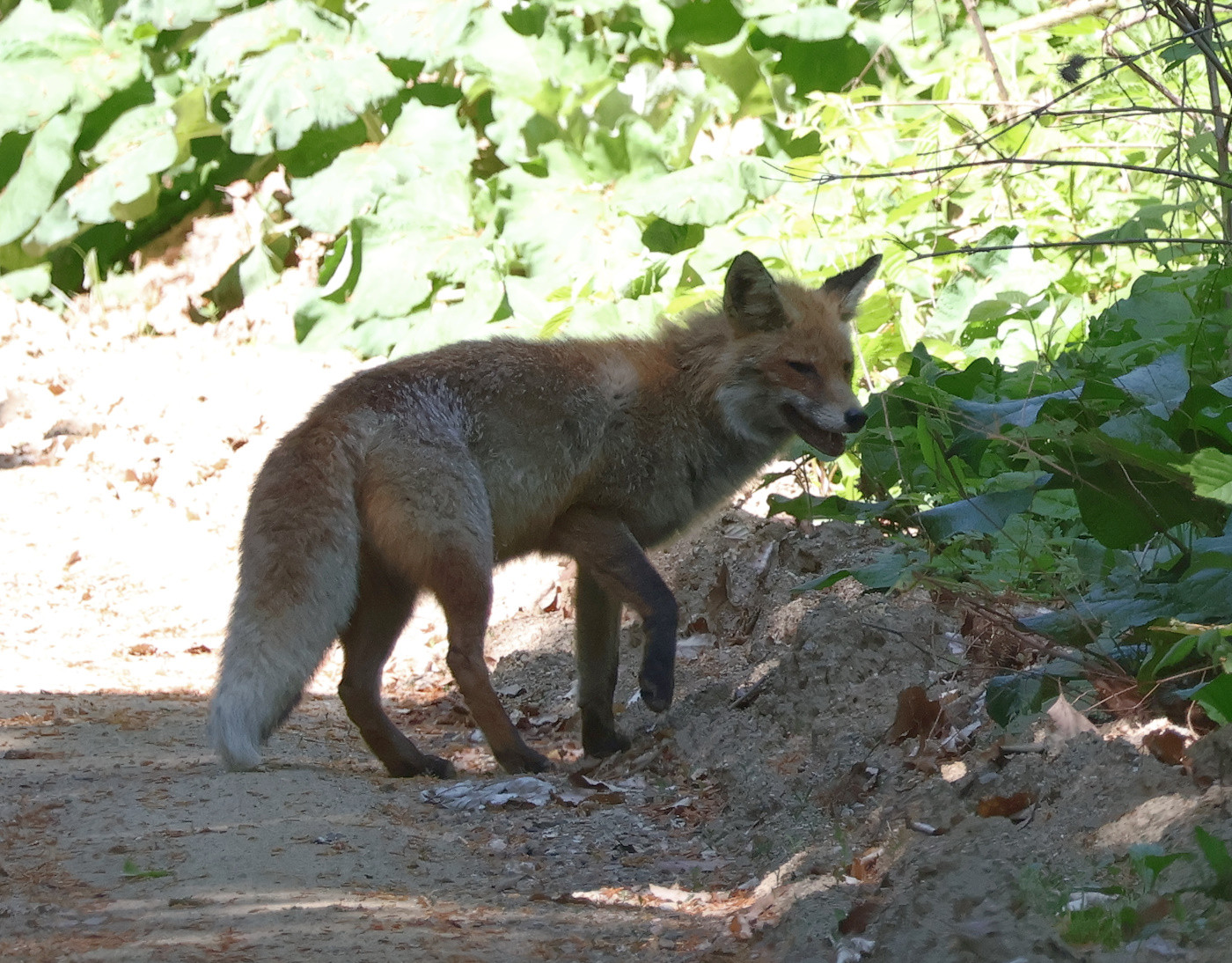
Some of the mammalian highlights of the national park are Eurasian Otter, Lynx (up to a dozen individuals), Brown Bear, Wild Boar, Red Deer, Roe Deer, and Chamois.
Photos by Mileta Cekovic and Julien Birard.
Detalles
Accesso
By car only. Park wherever you like, but at the side – be sure not to block heavy lorries full of beech trunks (however illegitimate, mostly legally logged within the park)! Explore by walking, or further driving.
The riverside town of Golubac (130 km or two hours’ drive from Belgrade) is the entrance point to the area. Almost every village between Golubac and the next town of Donji Milanovac (a further 60 km) offers rooms to let, but petrol stations are to be found only in the towns.
For driving directions, zoom in on the map and click on the "P" (parking) sign.
Terreno y habitat
Bosque , Árboles y arbustos dispersos , Pradera , Río , Cañón/acantilado , MontañaCondiciones
Montañoso , Rocoso , MontañosoCamino circular
No¿Se necesita telescopio?
Puede ser útilBuena época para el avistamiento de aves
Todo el añoMejor momento para visitar
Migración de primavera , PrimaveraRuta
Camino pavimentado , Camino sin asfaltar , Camino anchoCamino difícil de andar
AgotadorAccesible vía
A pie , Bicicleta , CocheEscondite de observación / plataforma
NoInformación extra
When to go: breeding season (May/June), but the park is also important as a migratory stop-over site and the Danube as a wintering area.
To be properly explored, Djerdap National Park requires at least three days or, better, four to five days.
Enlaces
- eBird list of the recorded species: MOUNTAINS
- eBird list of the recorded species: THE DANUBE
- Djerdap National Park authorities
- Free map app (iOS and Android)
- IBA Derdap gorge
- All eBird hotspots combined


 ) insertar los nombres de aves en tu propio idioma. ¡Los nombres de las aves serán traducidos automáticamente para otros usuarios!