
Descripción
The Cherusti Forest is an enormous forest mirroring the nearby Meschera forests, featuring predominantly pine and mixed fir-pine woods. Not only is the forest practically untouched by man except small parts, many regions of the highly swampy terrain are exceedingly hard to get to.
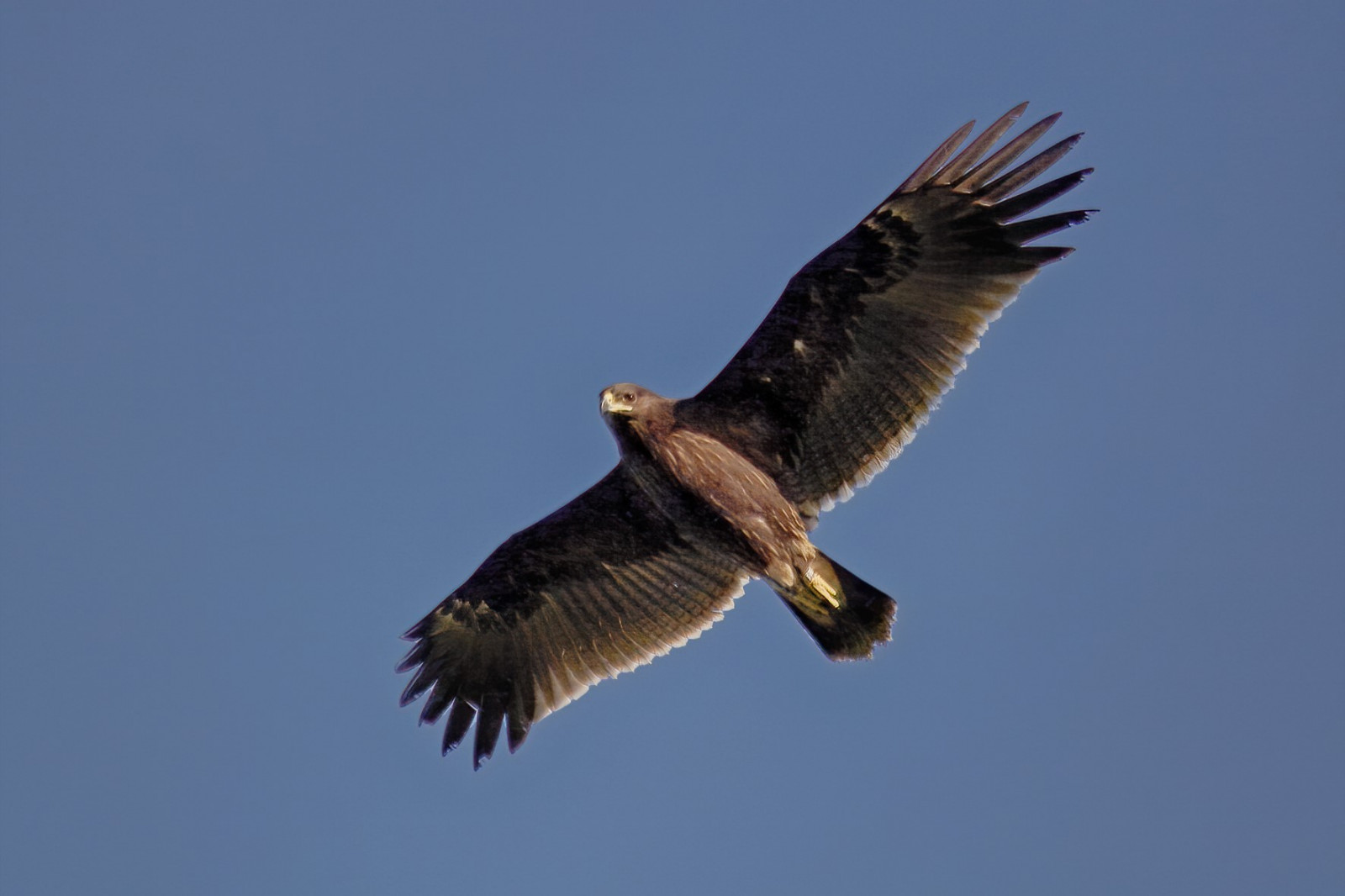
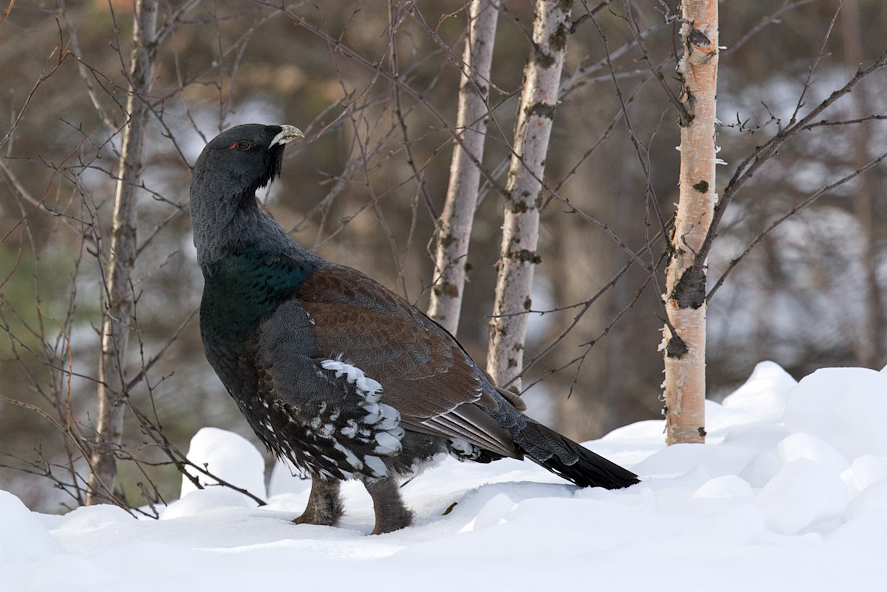
Grévol Común can be encountered anywhere in the woods, and the wood is perhaps the best place in the region to see Urogallo Común, with a few well-publicised lek sites. Some boggy clearings within the forest hold Alcaudón Norteño, and Águila Moteada breeds in the southern parts of the forest.
Recently, Búho Real has been found to be breeding in the forest after almost three decades of presumed absence. In the past, Halcón Peregrino was often seen over the clearings, and the raised swamps with a clear skyline are often locations from which Culebrera Europea can be seen, which is becoming exceedingly rare in the region. Although there is no evidence of them breeding in the forest, individual birds are still seen often.
The woodland's main claim to fame, however, is the healthy population of Grulla Común. Locals state that to go into the forest and not see a Grulla Común when they are present is almost unheard-of provided you visit the right places. They can be found on the raised swamps in the forest, and the last survey revealed 35 breeding pairs in the forest.
Detalles
Accesso
The forest can be easily reached by public transport. Trains depart on a regular basis from Vykhino in Moscow and reach Cherusti in 3 hours, which is the terminus. Train tickets cost around £4, maybe slightly higher. The forest starts immediately to the south of Cherusti, and a road links Cherusti in the north through the forest with Perkhurovo in the southern edge of the forest, and also passes Krasnaya Gora, an abandoned settlement.
Walking offers the best views of the region, although even cars can use the road, though this must be undertaken with care. The best places to look for Grulla Común, as indeed with most birds, are the raised swamps which are almost unmissable.
Terreno y habitat
Bosque , HumedalCondiciones
Plano , PantanosoCamino circular
No¿Se necesita telescopio?
Puede ser útilBuena época para el avistamiento de aves
Verano , PrimaveraMejor momento para visitar
VeranoRuta
Camino estrechoCamino difícil de andar
Caminata mediaAccesible vía
A pie , Bicicleta , CocheEscondite de observación / plataforma
NoInformación extra
Please note, as with most wildlife watching places in Russia, the forest, especially its central part, are remote and getting lost in the forest may prove a disaster, so bring adequate equipment to avoid this. A less serious note is that this forest is famous for the amount of mosquitoes in May-June.


 ) insertar los nombres de aves en tu propio idioma. ¡Los nombres de las aves serán traducidos automáticamente para otros usuarios!