Descripción
Cismigiu Garden in Bucharest is a nice spot for birdwatching while visiting the city. The garden features a variety of mature trees and plants that attract different bird species. Varying with the change of seasons, birdwatchers can typically spot species like Mirlo Común, Curruca Capirotada, Mosquitero Común, Pinzón Vulgar, Reyezuelo Listado, Reyezuelo Sencillo, Agateador Euroasiático, Papamoscas Cerrojillo and Petirrojo Europeo. Airborne birds like swallows and swifts also frequently fly overhead. Larger birds such as herons and egrets occasionally come to the perimeter lake and grassy areas.
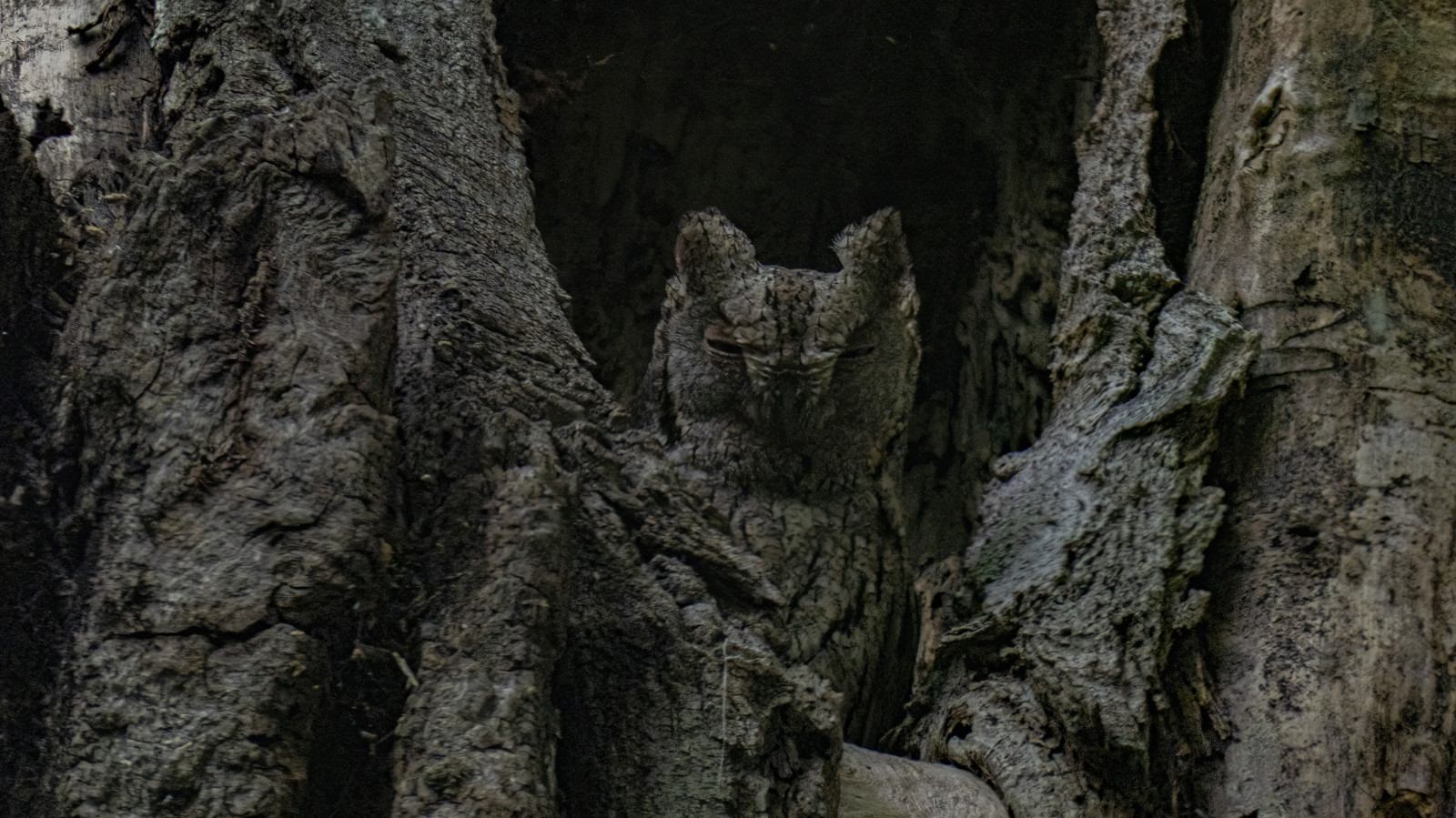
For a few years in a row, Cismigiu Gardens have been the nesting site for a pair of Gavilán Griego. Ocasionally, birds of prey circle around above the park and at night, during the summer, Mochuelo Europeo and Autillo Europeo can be heard and seen. Come winter, the lake is drained to prevent further degradation to the lake's alimentation system and conveniently make place for a skating ring, so don't expect many water species other than a few gulls, a few mallards and some wagtails on the bottom of the lake.
The park's well-established trees, shrubs, and plantings make it a peaceful oasis within the capital. While the vegetation greatly degraded due to poor administration, various woodland and aquatic plants still provide shelter, nesting areas, and food sources that draw more than 70 bird species. While it isn't one of Bucharest's premier birdwatching destinations, if anything, Cismigiu offers a convenient location to observe common songbirds and glimpse rarer visitors with just binoculars or a basic camera lens. Particularly for travelers on a short stay in Bucharest, the garden offers a low-effort chance to enjoy nature and birds without having to travel far from the city center. Birders working their way through Romania may find it worthwhile to spend 30 minutes - 1 hour scanning the treetops and skies of Cismigiu.
Detalles
Accesso
Cișmigiu Gardens can be accessed easily by foot, by bike, by car or public transport. It is conviniently close to Izvor subway station, Universitate subway station and one can easily walk from there. From Universitate there are several buses that go towards Cismigiu and there's just a single stop to go. There are multiple places where one can park (most of them are paid). Click on a P in the map for directions. Since it is a quite small area, the park can be enjoyed on foot, to take a bike would be overkill.
Terreno y habitat
Árboles y arbustos dispersos , Lago , Ciudad/PuebloCondiciones
Plano , Seco , PantanosoCamino circular
Sí¿Se necesita telescopio?
NoBuena época para el avistamiento de aves
Todo el añoMejor momento para visitar
PrimaveraRuta
Camino pavimentado , Camino anchoCamino difícil de andar
FácilAccesible vía
A pie , Bicicleta , Coche , Silla de ruedasEscondite de observación / plataforma
NoInformación extra
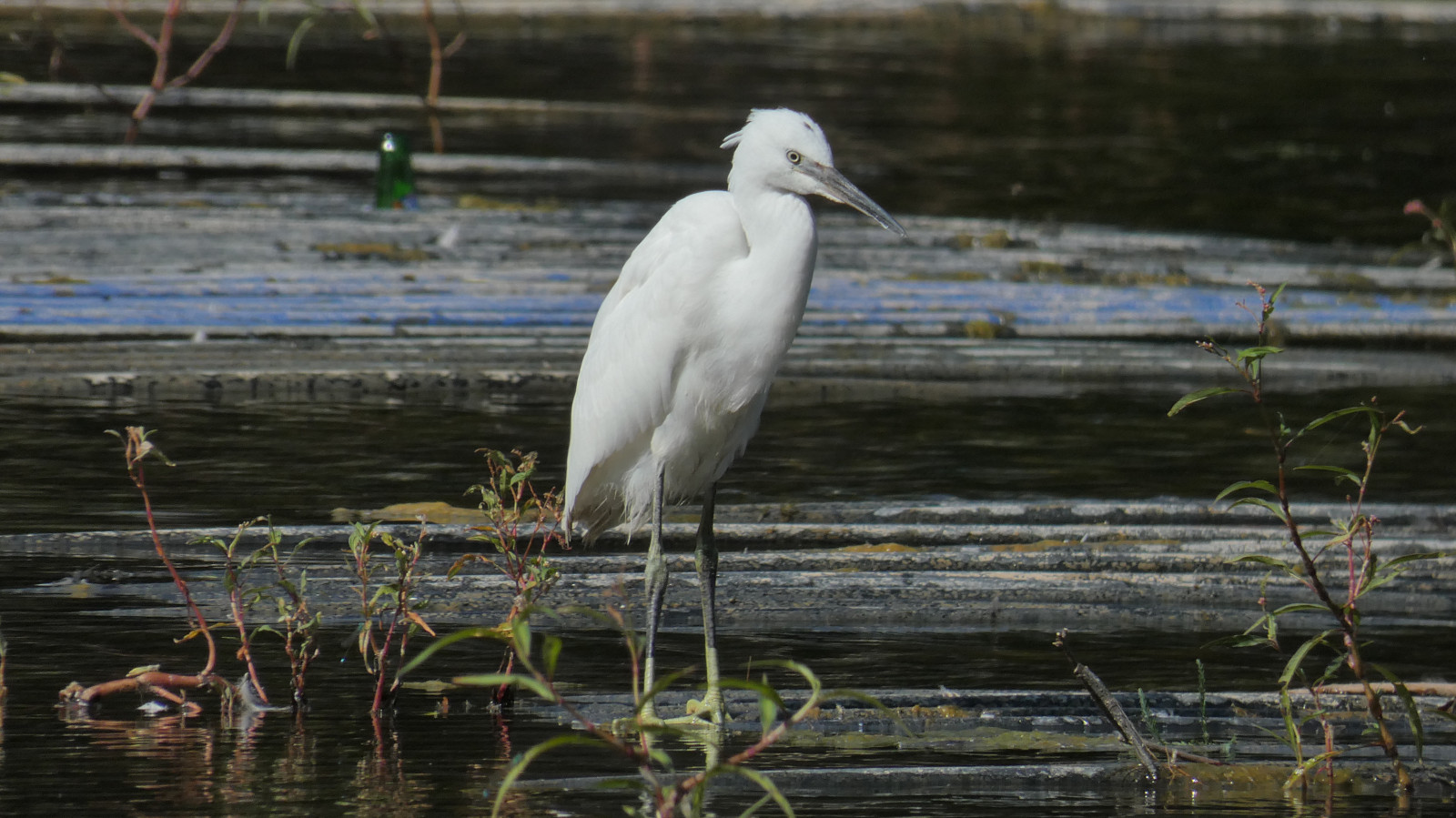
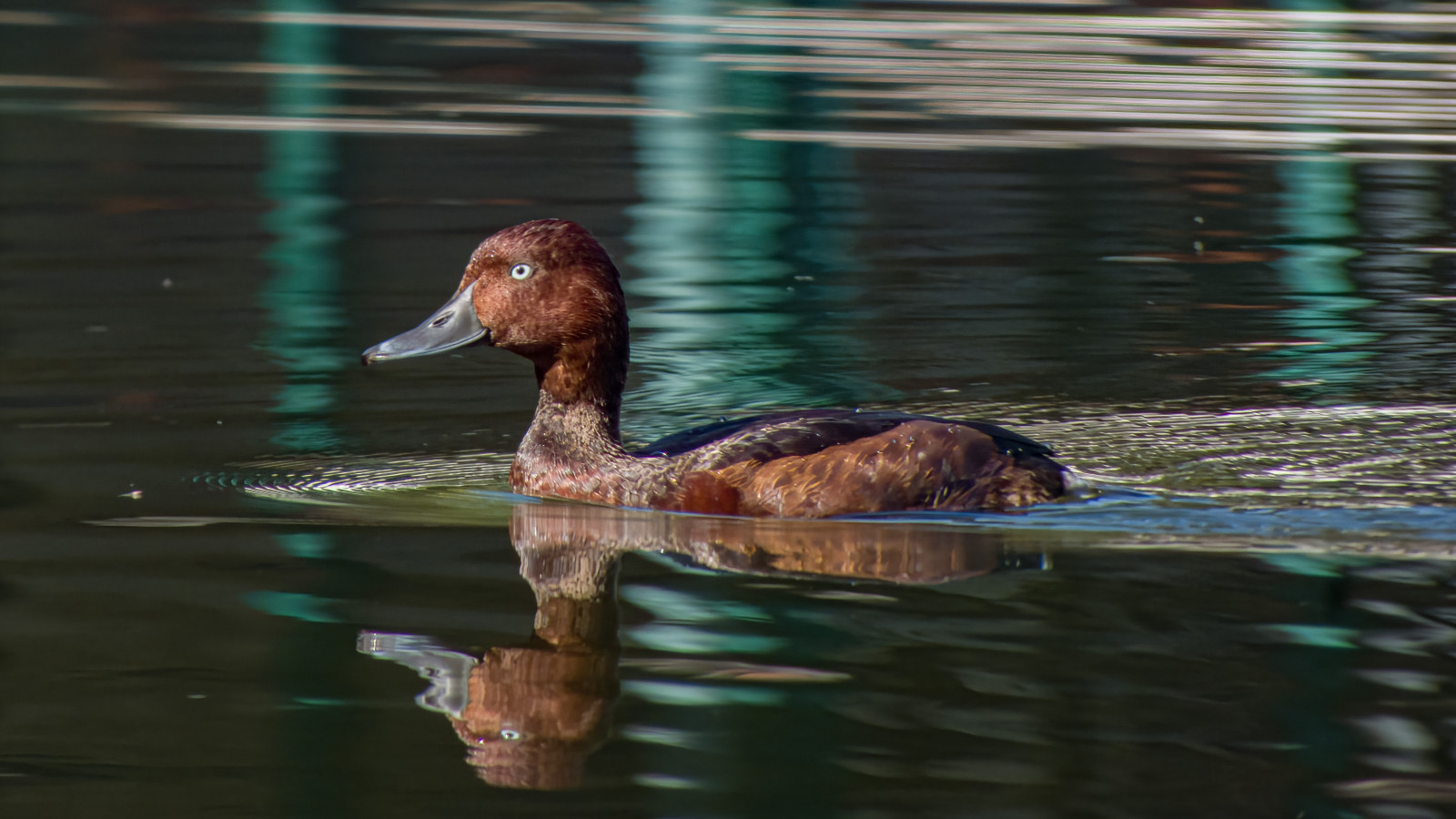
Best areas to spot birds: - the south-western side of the park has a lot of conifers and it's the best place to spot Mirlo Común, Reyezuelo Listado, Reyezuelo Sencillo and Carbonero Garrapinos. - the western area called "the writer's rotunda" is a nice place for Mirlo Común, Pinzón Vulgar, Petirrojo Europeo, Verderón Común, Picogordo Común, Chochín Común and Alcaudón Dorsirrojo. - on the lake's shores and surface there can be spotted Ánade azulón, Focha Común, Lavandera Blanca, Lavandera Cascadeña, Martinete Común, Garceta Común, Cormorán Pigmeo, Fumarel Cariblanco, Gaviota Reidora and Gaviota Patiamarilla. - in the trees of the park can be found 4 species of woodpeckers (Pico Mediano, Pico Sirio, Pico Menor, Pito Real), 4 species of thrushes (Mirlo Común, Zorzal Alirrojo, Zorzal Real , Zorzal Común), various warblers and flycatchers, various birds of prey (Cernícalo vulgar, Gavilán Griego, Gavilán Común, Mochuelo Europeo, Autillo Europeo) Best time to visit: in spring and autumn, of course. The park has free toilets and drinkable water fountains.


 ) insertar los nombres de aves en tu propio idioma. ¡Los nombres de las aves serán traducidos automáticamente para otros usuarios!