

Descripción
Patria nad Odrzechową is a Site of Community Importance (SCI). The forest is a composition of 2 main biotopes: Carpathian rich beech forest and Carpathian fir forest. In between there are some partially oak-dominated areas. Borders are dominated by other species, different from each side: pine, willow or larch (fenced forest culture).
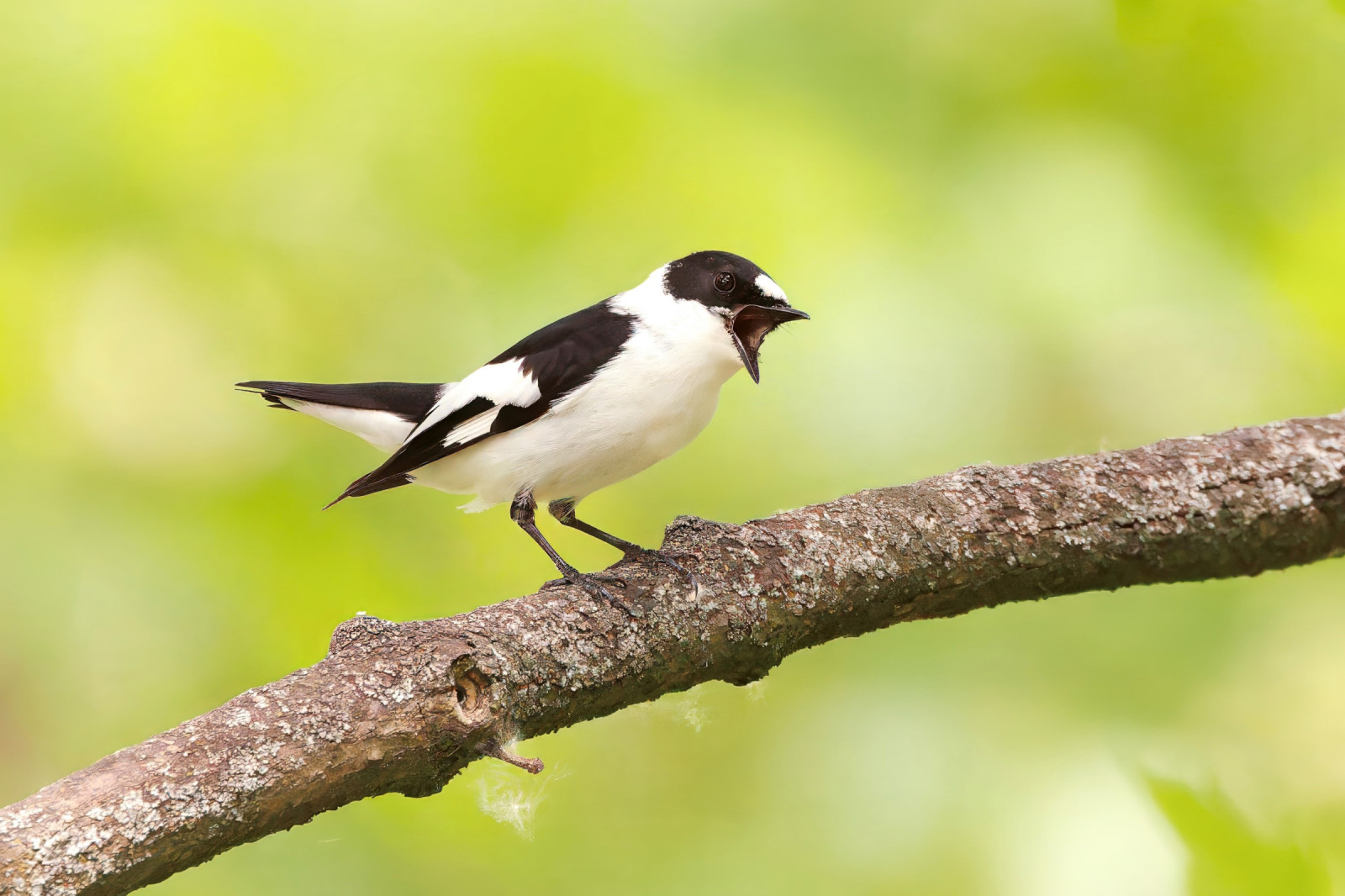
Beech- and fir-dominated parts are home/nesting areas to charismatic species of predatory birds, like Cárabo Uralense, Águila Pomerana, both characteristic for this region and more common species: Gavilán Común and Busardo ratonero. Other noteworthy species: Grévol Común, Paloma Zurita, Pico Dorsiblanco, Papamoscas Papirrojo, Papamoscas Acollarado (quite large numbers of the last one - great place to learn its song by-ear).
At borders there can be large concentrations of passerines. Also, in the larch-part of the borders there can be found some Tórtola Europea.
Other, rather common species: Cuco Común, Búho Chico, Torcecuello Euroasiático, Pico Mediano, Pico Picapinos, Pico Menor, Pito Cano, Pito Real, Picamaderos Negro, Oropéndola Europea, Cuervo Grande, Carbonero Garrapinos, Carbonero Palustre, Carbonero Montano, Zarcero Icterino, Mosquitero Silbador, Mosquitero Musical, Mosquitero Común, Mito Común, Curruca Capirotada, Curruca Zarcerilla, Reyezuelo Sencillo, Reyezuelo Listado, Trepador Azul, Agateador Euroasiático, Zorzal Charlo, Zorzal Común, Bisbita Arbóreo, Picogordo Común and Escribano Cerillo.
Detalles
Accesso
Patria nad Odrzechową is accessible by foot from many sides: Odrzechowa-Pielnia-Długie-Zarszyn villages field-roads, close to the forest. Public transport to these villages is limited to buses from Sanok and Krosno. There are no parking spaces - best to leave any larger vehicles at sides of a road (leave enough space for tractors and other large vehicles to pass-by) or inside villages (easier option). Best to explore by foot - most wildlife sightings, silence, minimal risk of getting stuck. The terrain is quite difficult for bikes or other vehicles. Overuse of vehicles (lumberjacks and off-roaders mostly) regularly causes all paths to become muddy and hard to pass. Rain boots advised for most of the year.
Terreno y habitat
Bosque , Árboles y arbustos dispersos , HumedalCondiciones
Montañoso , ResbaladizoCamino circular
Sí¿Se necesita telescopio?
NoBuena época para el avistamiento de aves
Todo el añoMejor momento para visitar
PrimaveraRuta
Camino sin asfaltar , Camino estrecho , Camino anchoCamino difícil de andar
Caminata mediaAccesible vía
A pieEscondite de observación / plataforma
NoInformación extra
Most birds here are very active singers - there isn't really a need to stimulate them if they are somewhere around. Please, avoid doing so. If you want to find most of the singing birds, try to be there as early, as possible (morning hours). Birds of prey are mostly visible outside of the forest. Owls tend to show up mostly in the afternoon/evening hours.
Best to go along with roads/paths, especially main ones, but you're free to explore.
Hazards: ticks, deep mud, steep muddy/covered by leaves banks of creeks. Keep in mind the presence of large animals (deer, boars, wolves) and other people (off-road enthusiasts, lumberjacks, foresters, hunters, mushroom pickers, etc.)!!!




 ) insertar los nombres de aves en tu propio idioma. ¡Los nombres de las aves serán traducidos automáticamente para otros usuarios!