
Descripción
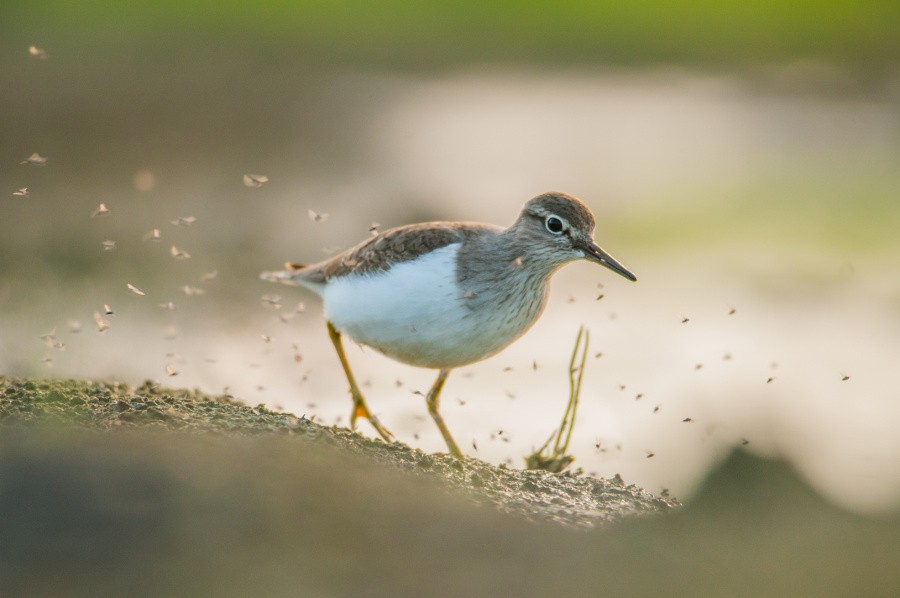
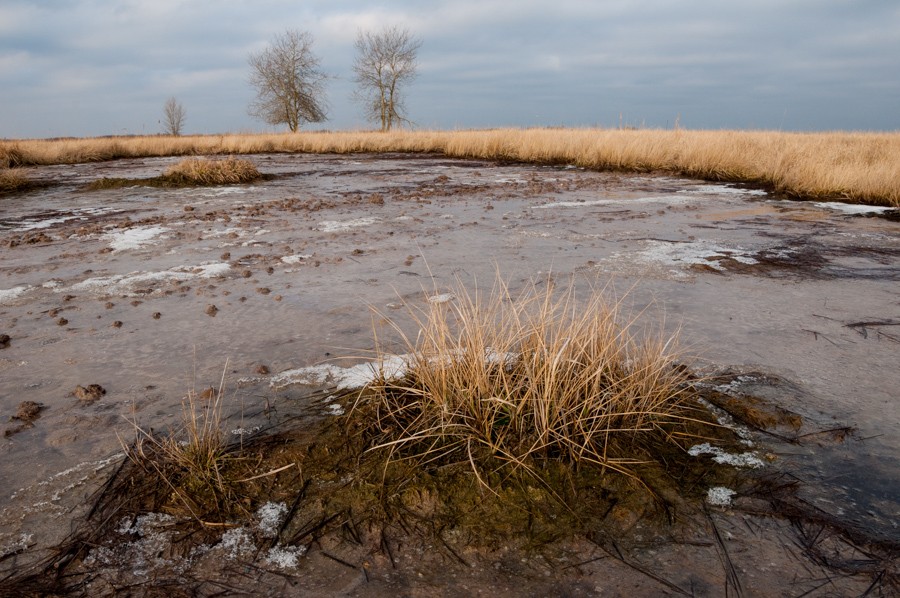
Obszar Dawnej Kopalni Siarki Jeziórko is a vast open area with 19 ponds, several hundred hectares of meadows, reed beds and wetlands in post-mining sinkholes. Over 200 species of birds (115 breeding birds) have been observed here. It is an excellent place to observe the breeding gulls such as Gaviota Reidora, Gaviota del Caspio, Gaviota Cabecinegra and waders like Archibebe Común, Chorlitejo Chico and Zarapito Real. Also other water birds and herons can be seen here like Polluela Bastarda, Polluela Pintoja, Rascón Europeo, Focha Común, Guión de Codornices, Avetorillo común and Avetoro Común.
During spring migration, you can observe flocks of geese (up to several hundred individuals) Ánsar común, Ánsar careto, Ánsar Campestre de la Tundra, Ánsar chico and Barnacla Cariblanca, ducks (up to several thousand) Porrón Pardo, Ánade rabudo norteño, Pato Colorado, Porrón Moñudo and Porrón Europeo, etc.
In late autumn, regular groups of Serreta Chica (the largest in the region), as well as Colimbo Ártico, Colimbo Chico and Serreta Mediana can be seen. In winter you can regularly observe, among others Aguilucho pálido, Busardo Calzado and Pigargo Europeo. Among the owls observed in this area, Búho Campestre and breeding and Búho Chico should be mentioned. It's worth having a telescope with you, but with the binoculars only you can easily see most species.
Detalles
Accesso
The easiest way to get to the Jeziórka area is from the Grębów - Tarnobrzeg road. The oldest post-mining ponds are already visible from the road, an asphalt road leads deep into the area (further on, shallow and gravel). You can also enter or walk from the side of Wydrza on a gravel road (turn after the Primary School in Wydrza).
A very convenient means of transportation is by bike, but you might as well get there by car or hitchhike and just walk around the whole area.



 ) insertar los nombres de aves en tu propio idioma. ¡Los nombres de las aves serán traducidos automáticamente para otros usuarios!