Descripción
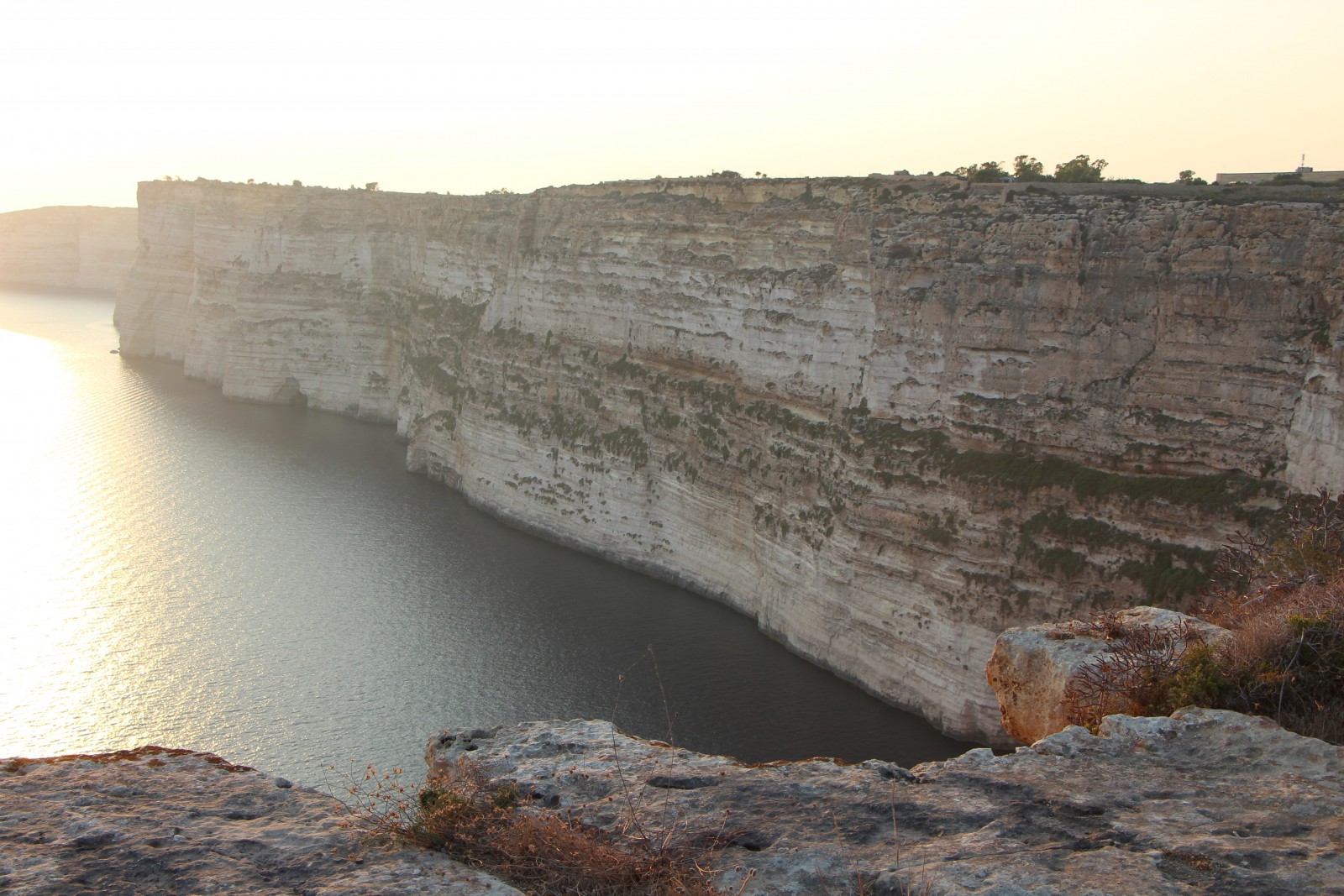
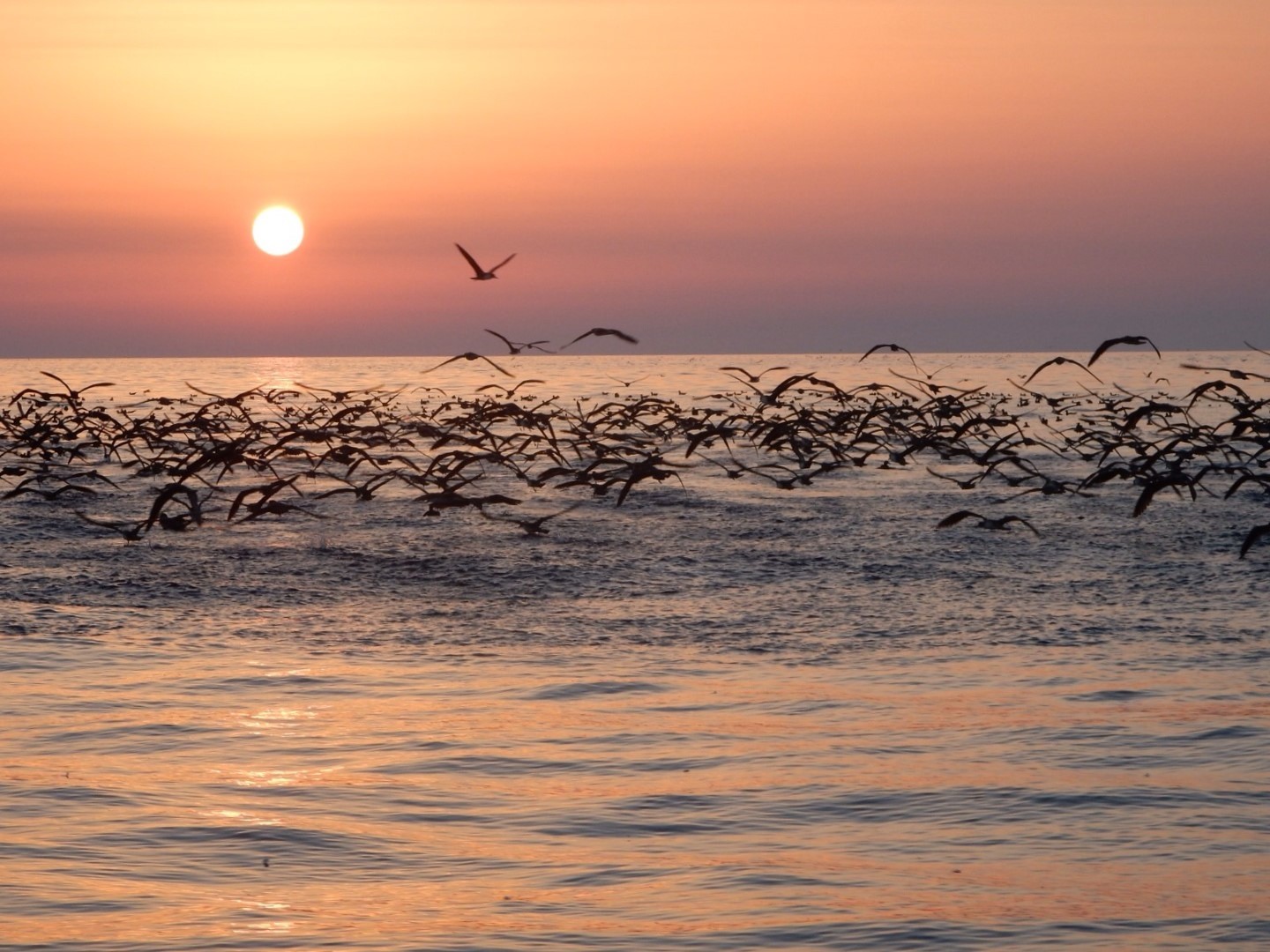
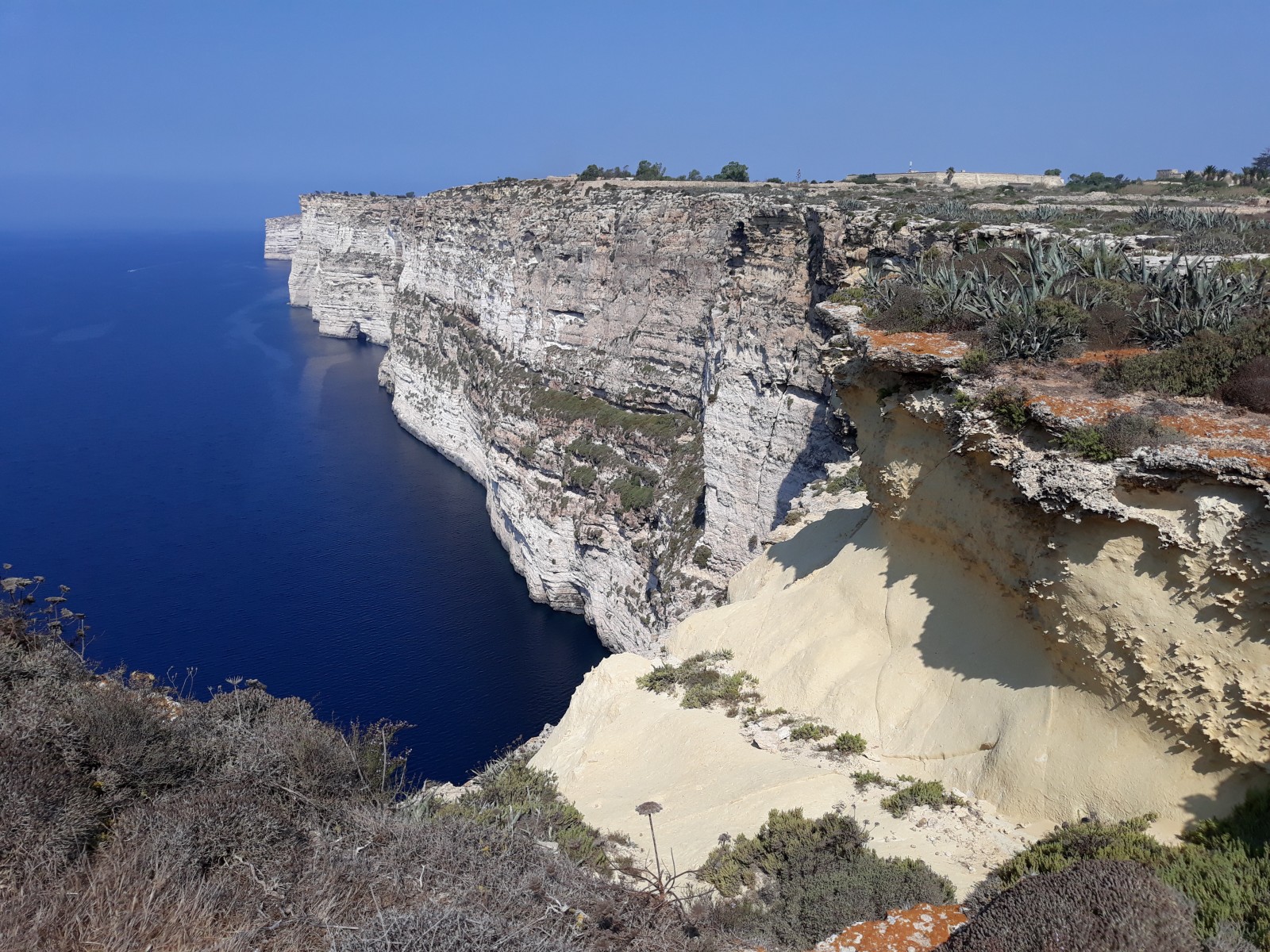
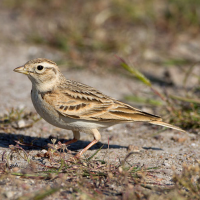
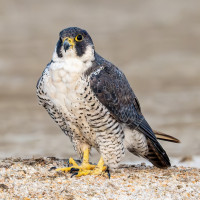
One of the best places in the Maltese Islands to see local species such as Roquero Solitario, Terrera Común and Curruca Tomillera, against a backdrop of the Mediterranean Sea and jaw-dropping cliffs. Cernícalo vulgar and Halcón Peregrino also nest in the area. However, the cliffs are better known for the largest Pardela cenicienta mediterránea colony in the archipelago, which is at least a 1,000 pairs strong. On summer nights a cacophony of these birds' calls can be enjoyed from land or even better join one of BirdLife Malta’s special sunset boat trips to see them! The cliffs hold two other seabird species, namely Paíño Europeo and Pardela Mediterránea, which are much harder to see. You might be luckier with spotting nesting Vencejo Pálido.
The open garrigue and steppe habitat that dominate the area attracts migrants such as chats, wheatears, pipits, Hoopoes and Alcaudón Común but even species like Búho Campestre. Ta’ Ċenċ and the cliffs further west have a good record for rarer species too. Colirrojo Diademado, Collalba Desértica, Terrera marismeña and Alcaudón Norteño are to name some.
Detalles
Accesso
All the area is privately owned but you can walk along the many tracks. Park at Mġarr ix-Xini or Sannat village.
Terreno y habitat
Árboles y arbustos dispersos , Pradera , Valle , Estepa , Mar , AgriculturaCondiciones
Plano , Rocoso , Paisaje abiertoCamino circular
Sí¿Se necesita telescopio?
NoBuena época para el avistamiento de aves
Todo el añoMejor momento para visitar
Migración de primaveraRuta
Camino pavimentado , Camino sin asfaltar , Camino anchoCamino difícil de andar
FácilAccesible vía
A pie , Bicicleta , Silla de ruedasEscondite de observación / plataforma
NoInformación extra
Remember not to use bright lights and not to leave any trash at coastal areas, especially cliffs which are home to shearwaters. Organic trash sustains rat populations which then feed on shearwater eggs and chicks. For more information on seabird conservation in Malta visit: https://birdlifemalta.org/arcipelagugarnija.


 ) insertar los nombres de aves en tu propio idioma. ¡Los nombres de las aves serán traducidos automáticamente para otros usuarios!