
Descripción
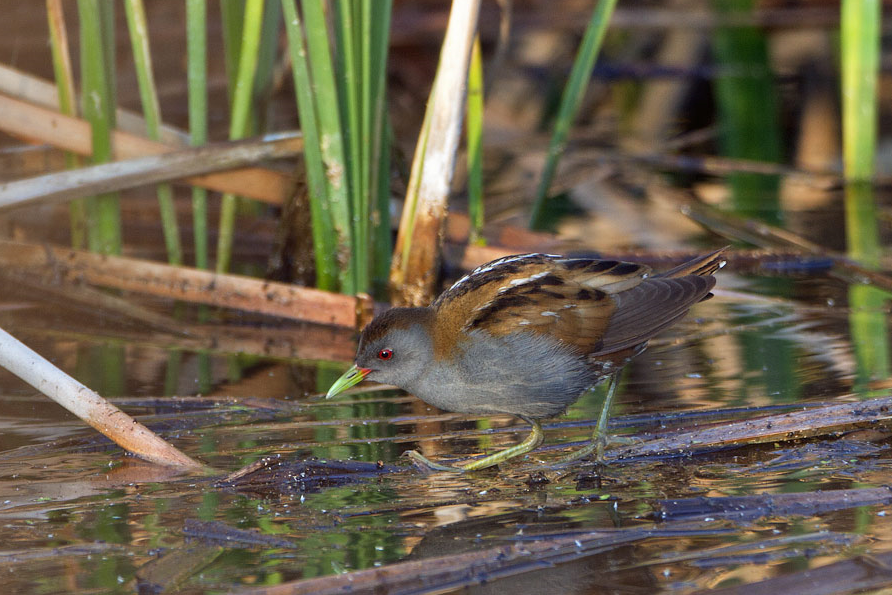
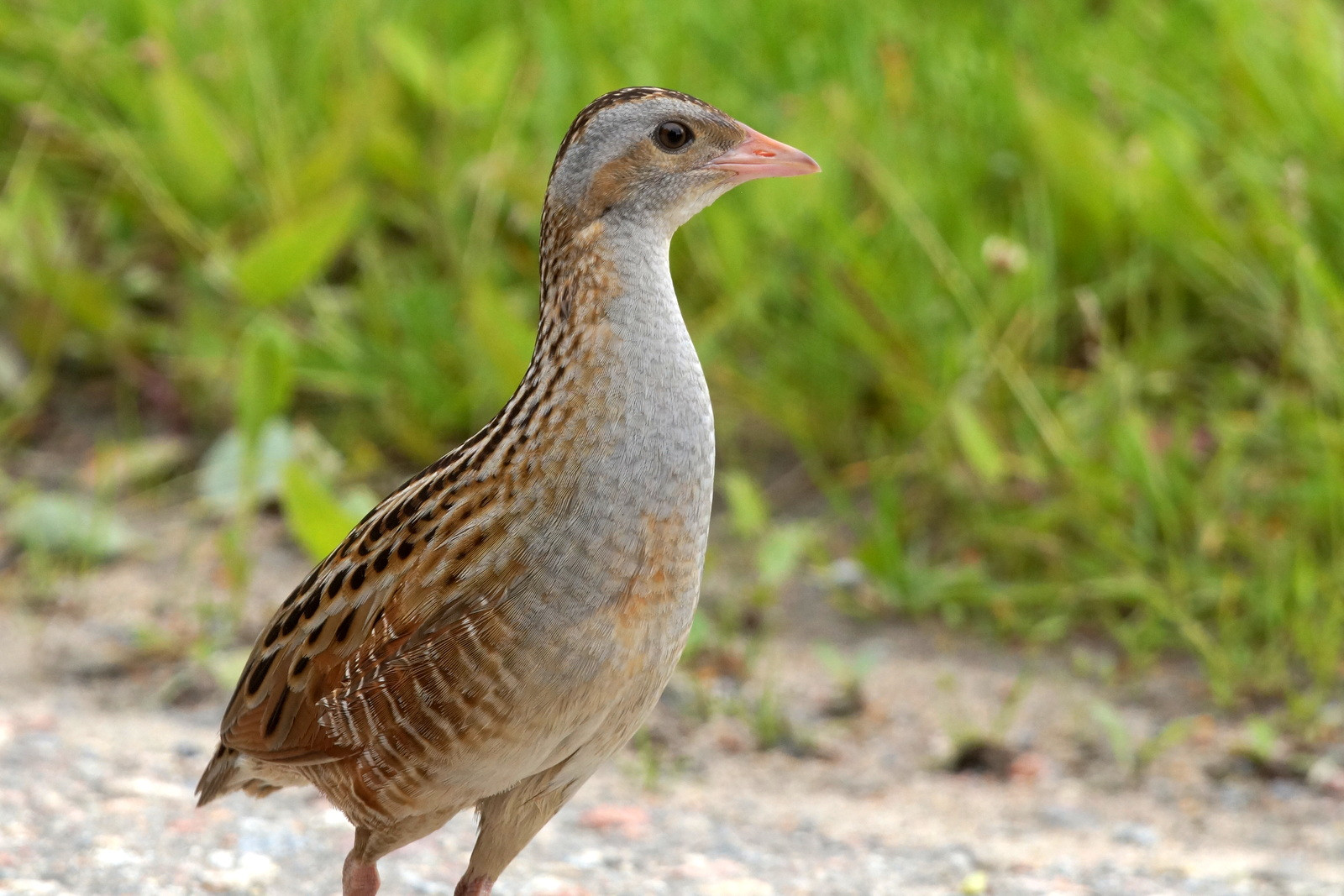
Zuvintas wetland (6940 ha) is a natural complex, covering a small human-influenced, very natural variety of swamps and a big shallow lake. This lake is only 0.6 m in depth and is one of the most important places in Lithuania for birds. Here the populations of Aguilucho Lagunero Occidental, Polluela Bastarda, Grulla Común and Ruiseñor Pechiazul are the largest in the country. During migration there are huge amount of Grulla Común, geese, ducks, sandpipers and other flocks of birds. Zuvintas wet meadows - is one of two locations in Lithuania, where the extremely rare, globally endangered Carricerín Cejudo can be found. Around the lake also Guión de Codornices can be heard and if you are extremely lucky seen. In the last 30 years, 234 bird species have been observed in Zuvintas. For birding it is best to visit the area in spring and in the first half of summer.
Detalles
Accesso
Although it is certainly a place worth visiting, especially for its beauty, there is only one accesible place, the observation tower near the reception center, which is reached by a wooden path in very bad condition (be careful here). Being a fairly large lake, you will need a telescope to be able to watch birds.
Terreno y habitat
HumedalCondiciones
Plano , Pantanoso , Paisaje abiertoCamino circular
No¿Se necesita telescopio?
SíBuena época para el avistamiento de aves
Primavera , OtoñoMejor momento para visitar
Primavera , Otoño , Migración de otoño , Migración de primaveraRuta
Camino pavimentado , Camino ancho , Camino estrecho , Camino sin asfaltarCamino difícil de andar
FácilAccesible vía
A pie , Bicicleta , CocheEscondite de observación / plataforma
SíInformación extra
Information added by user Gulliver: Spring and Autumn are good times to observe large flocks of geese and ducks. But in summer, almost all migratory songbirds have gone and only low numbers of birds remain in the lake: Cormorán Grande, Ánade azulón, Avefría Europea, Ánsar común, Garceta Grande, Aguilucho Lagunero Occidental, etc. August is a good time to see Pigargo Europeo in their perch in the opposite shore of the lake (telescope). In the surrounding cultivated fields you will be able to see Perdiz Pardilla, Grulla Común, Cigüeña Blanca, Escribano Cerillo, Tarabilla Norteña and Alcaudón Dorsirrojo.




 ) insertar los nombres de aves en tu propio idioma. ¡Los nombres de las aves serán traducidos automáticamente para otros usuarios!