Descripción
Sambhar Lake is the largest inland salt lake in India, lying southwest of Jaipur. Its shape is long and narrow and about 35 km in length, with the width shifting between 3 and 11 km depending on the season. Its surface area expands and contracts dramatically with the seasons, from roughly 190 square kilometres in the dry months to more than 230 square kilometres after the monsoon rains.
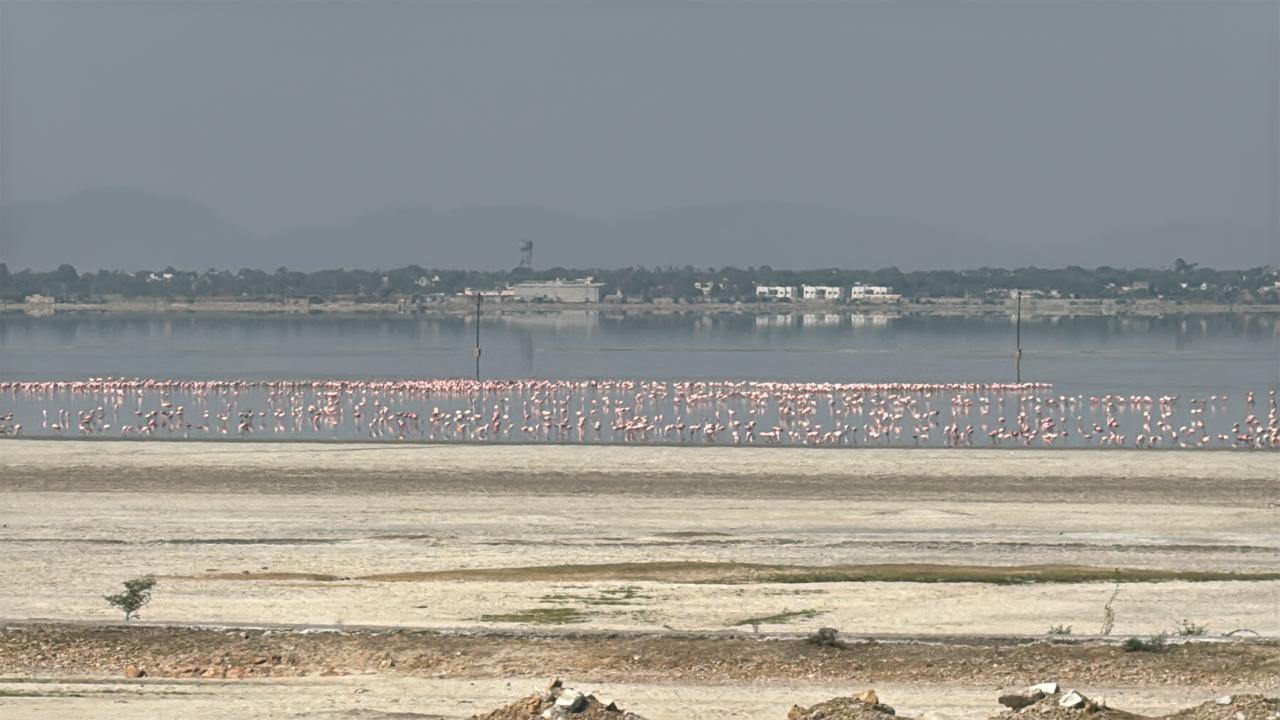
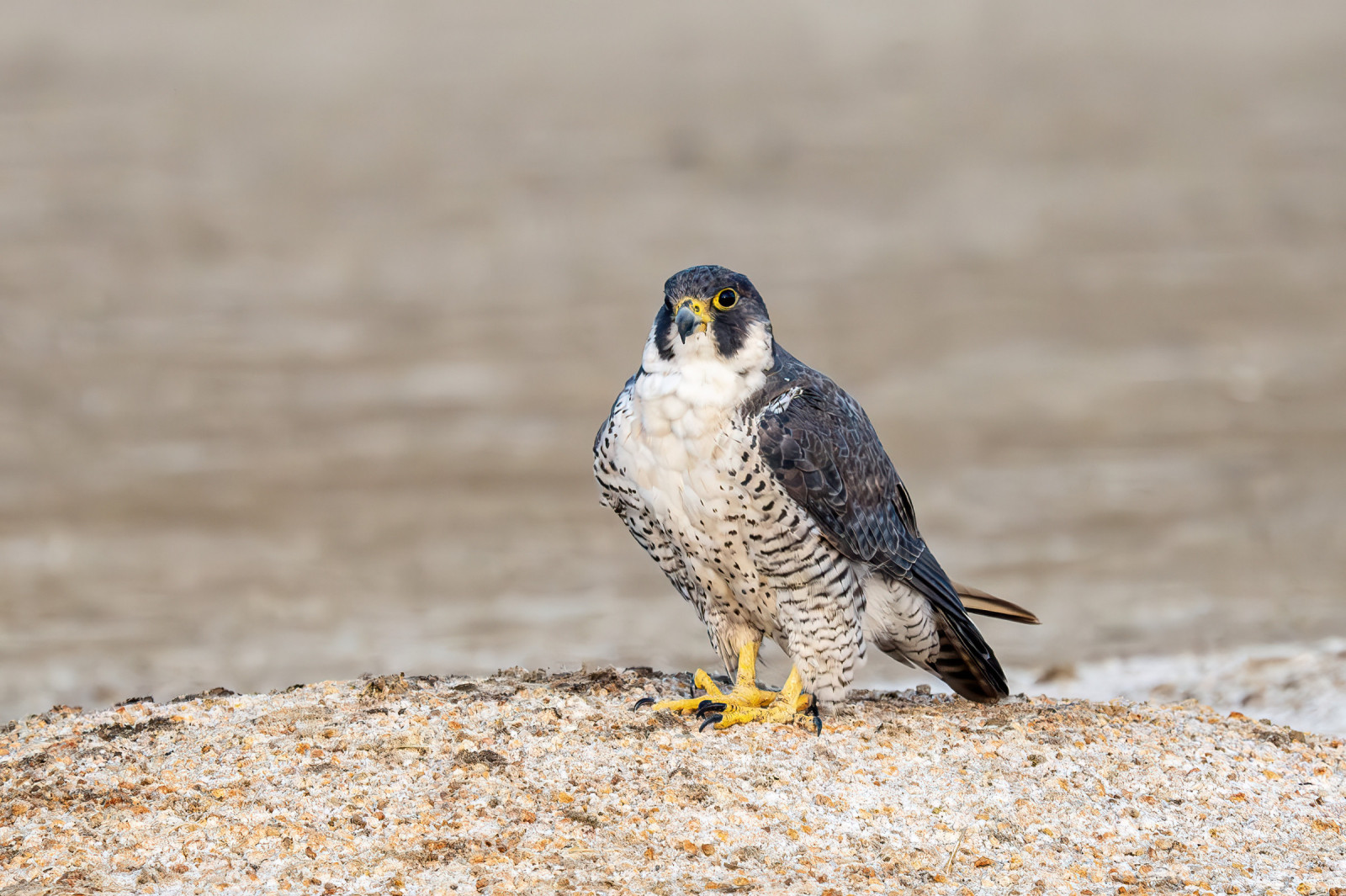
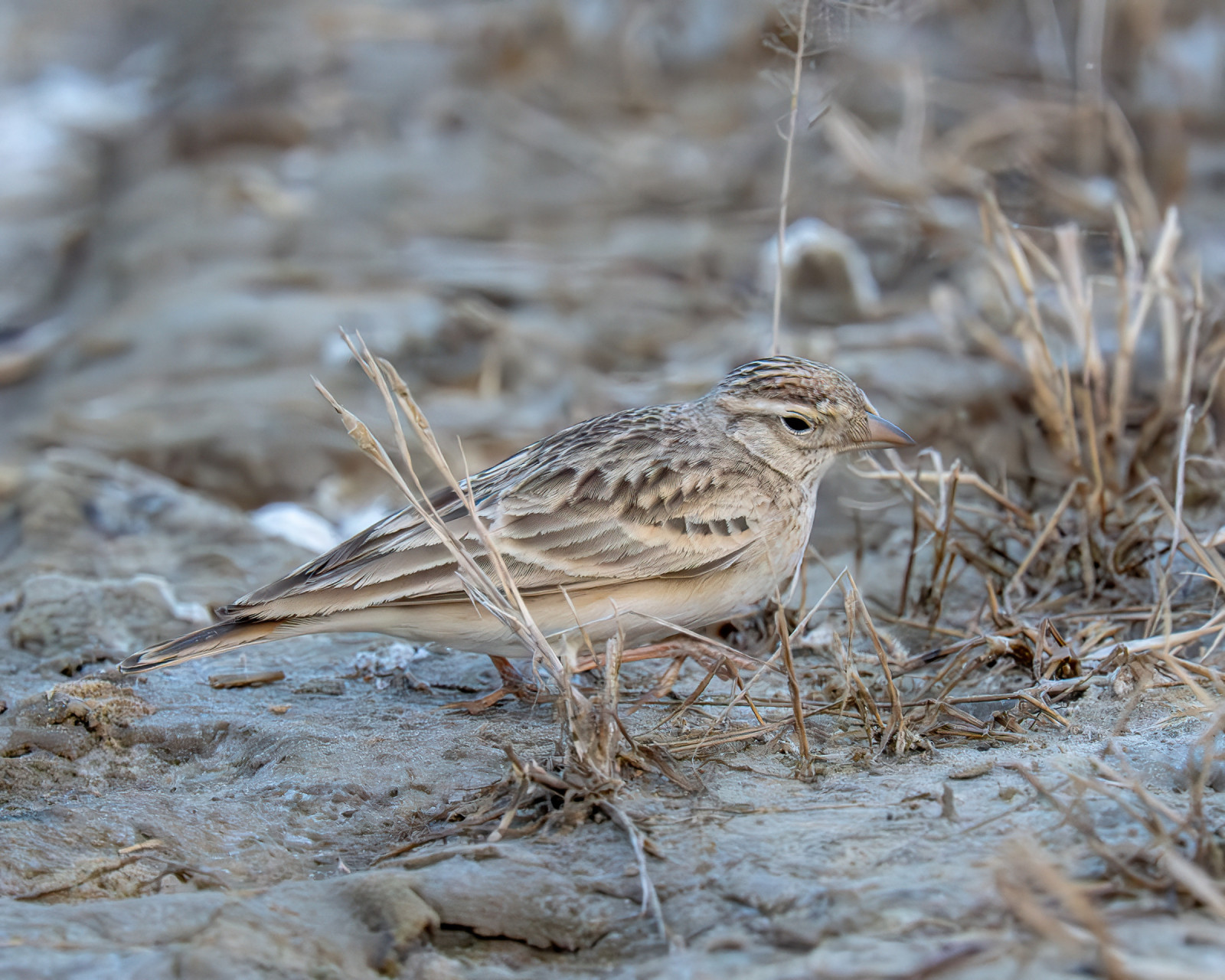
After the Rann of Kutch, Sambhar has the second largest populations of Greater Flamingo and Lesser Flamingo. In winter as ducks, geese and other waterfowl arrive, so do a range of raptors. There are a variety of habitats so the resident bird diversity is also great. Peregrine Falcon, Merlin, Eurasian Hobby, Eurasian Kestrel and Saker Falcon are often seen here. Western Marsh Harrier, Long-legged Buzzard, Common Buzzard, and Short-toed Snake Eagle are frequently seen. Apart from birds, Sambar is a place to see Bluebull, Desert Fox, and Monitor Lizards. The nearby temples and the town of Sambhar have a lovely old world rustic charm.
Detalles
Accesso
Sambhar is best approached from Jaipur via road, about 90 km. October to March is the best time to visit. I suggest leave Jaipur early 0430 or so so that you are on the lake at sunrise. You may drive on the grasslands at the edges and on the flat, but be careful, some places might be wet and sticky. Given the high insolation, by 9am heat haze starts. Sambhar is also good for camping and stargazing. There are a few hotels and resorts nearby. The best guide is a young local boy, Gaurav Dadhich who can be connected over Instagram or Facebook.




 ) insertar los nombres de aves en tu propio idioma. ¡Los nombres de las aves serán traducidos automáticamente para otros usuarios!