


Descripción
The area was part of an EU LIFE project where non-indigenous spruce plantations have been removed and the meandering course of streams restored until 2014. Since then, the clearcut areas have been developed under natural succession and represent an interesting mosaic of semi-open dry and swampy habitats. The surrounding forest was partially damaged by 2007 windstorm "Kyrill" and thus also contains clearings and semi-open windthrow areas.
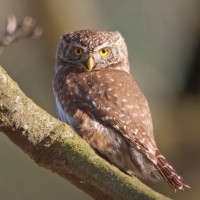
Seven species of woodpeckers can be seen and heard along the trail (Picamaderos Negro, Pito Cano, Pito Real, Pico Picapinos, Pico Mediano, Pico Menor and Torcecuello Euroasiático). Other interesting forest birds include Chocha Perdiz, Papamoscas Cerrojillo, Mosquitero Silbador, Reyezuelo Listado, Carbonero Montano, Carbonero Garrapinos, Herrerillo Capuchino, Piquitureto Común, Zorzal Charlo and Mochuelo Alpino. The semi-open patches provide habitat for Bisbita Arbóreo, Alcaudón Dorsirrojo, Tórtola Europea, Buscarla Pintoja, Mosquitero Musical, Tarabilla común and Escribano Cerillo. Cuervo Grande and Cigüeña Negra are visitors. Along the river, Martín Pescador Común, Mirlo-acuático Europeo and Lavandera Cascadeña can be encountered.
Detalles
Accesso
There is a car park at Neuhaus. From there use the A7 hiking trail (circular walk of about 7 km, see the map). The trail leads along the river valley which can be best explored by foot.


 ) insertar los nombres de aves en tu propio idioma. ¡Los nombres de las aves serán traducidos automáticamente para otros usuarios!