
Descripción
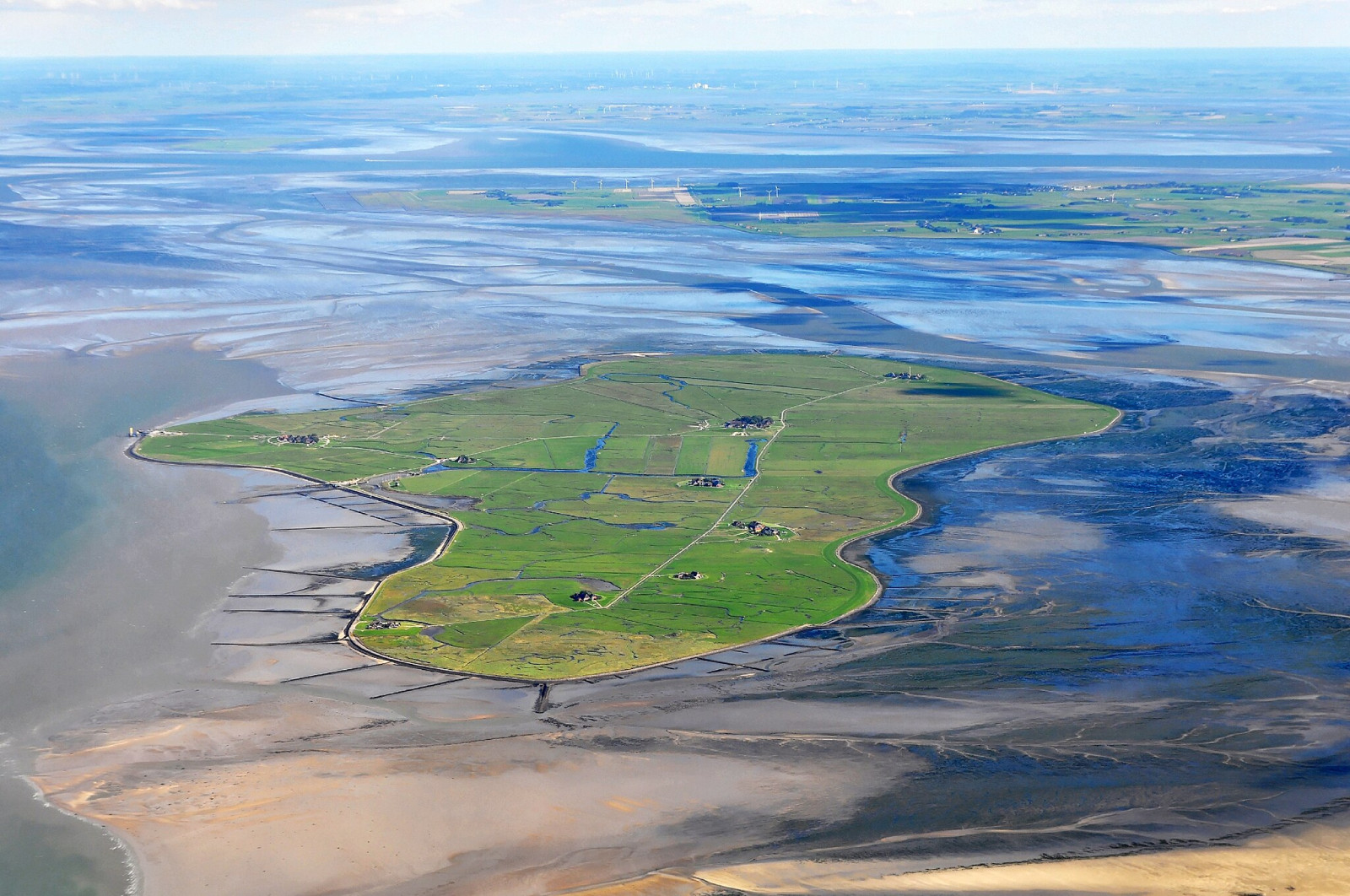
Hallig Hooge is characterized by large fallow areas, some of which are used for livestock farming. There are large areas of salt marsh on the east and west sides of the Hallig. While the North Sea is on the north side, large mudflats are exposed around the rest of the Hallig Hooge at low tide. Isolated hills with clusters of houses, small ponds and shrub structures allow very close observations of migrating songbirds, especially during migration periods.
On a small sandbank on the northeastern side of Hallig Hooge is a hightide roost of waders and other waterbirds. But during very high tides the entire island is used as a roost. Breeding birds include Ostrero Euroasiático, Archibebe Común and Charrancito Común on the small sandbar. Other birds you can encounter are depending on the season Barnacla Carinegra, Silbón Europeo, Tarro Blanco, Éider común, Serreta Mediana, Avoceta Común, Chorlito Gris, Chorlito Dorado Europeo, Zarapito Real, Aguja Colipinta, Chorlitejo Grande, Vuelvepiedras Común, Correlimos Común, Collalba Gris, Bisbita Pratense, Charrán ártico, Charrán Común and Charrán Patinegro. During migration time you can also encounter birds such as Barnacla cuelliroja, Escribano Nival, Correlimos Oscuro, Mosquitero Bilistado, Lavandera pía, Torcecuello Euroasiático and all types of songbirds like trushes and flycatchers.
Detalles
Accesso
Hallig Hooge can be reached by ferry from Schlüttsiel (see link below). Press P on the map for directions to Schlüttsiel. The crossing from Schlüttsiel to Hallig Hooge takes approximately 1 hour and 15 minutes. Every point on the island of Hallig Hooge itself is easily accessible on foot or by bike. You can get around on foot on the Warften (small hills, including clusters of houses and bush structures), but there are also some private properties and private paths.
Terreno y habitat
Humedal , Pradera , Árboles y arbustos dispersos , Llanura , Mar , Dunas , Estanque , Pisos de barro , Agricultura , Cañizos , Ciudad/PuebloCondiciones
Plano , Montañoso , Paisaje abierto , Nivel del agua alto probableCamino circular
Sí¿Se necesita telescopio?
Puede ser útilBuena época para el avistamiento de aves
Todo el añoMejor momento para visitar
Migración de primavera , Migración de otoñoRuta
Camino pavimentado , Camino ancho , Camino sin asfaltar , Camino estrechoCamino difícil de andar
FácilAccesible vía
A pie , Bicicleta , Silla de ruedasEscondite de observación / plataforma
NoInformación extra
Barnacla cuelliroja Porrón Bastardo Negrón común Porrón Osculado Ánsar careto Porrón Bastardo Zampullín Común Cuco Común Chotacabras Europeo Vencejo Común Focha Común Grulla Común Avefría Europea Chorlitejo Chico Chorlito Carambolo Correlimos Zarapitín Chocha Perdiz Agachadiza común Falaropo Picofino Andarríos Chico Andarríos Grande Archibebe Claro Págalo Parásito Gaviota Tridáctila Pagaza Piquirroja Colimbo Chico Alcatraz Atlántico Garceta Común Espátula Común Águila Pescadora Aguilucho pálido Carricero Políglota Carricero Común Mosquitero Silbador Mosquitero Bilistado Mosquitero de Hume Mosquitero de Pallas Mosquitero siberiano Agateador Euroasiático Agateador Europeo Mirlo Capiblanco Zorzal Charlo Collalba Gris Lavandera Cascadeña Bisbita Costero Lavandera pía Grey-headed Wagtail (thunbergi) Lavandera boyera inglesa Pinzón Real Pardillo Piquigualdo Pardillo Norteño Escribano Palustre Azor Común Busardo Calzado Busardo ratonero Martín Pescador Común Torcecuello Euroasiático Esmerejón Halcón Peregrino Alcaudón Dorsirrojo Urraca común Grajilla Occidental Graja Corneja Cenicienta Alondra Cornuda Alondra Totovía Zarcero Icterino Carricerín Común


 ) insertar los nombres de aves en tu propio idioma. ¡Los nombres de las aves serán traducidos automáticamente para otros usuarios!