Descripción
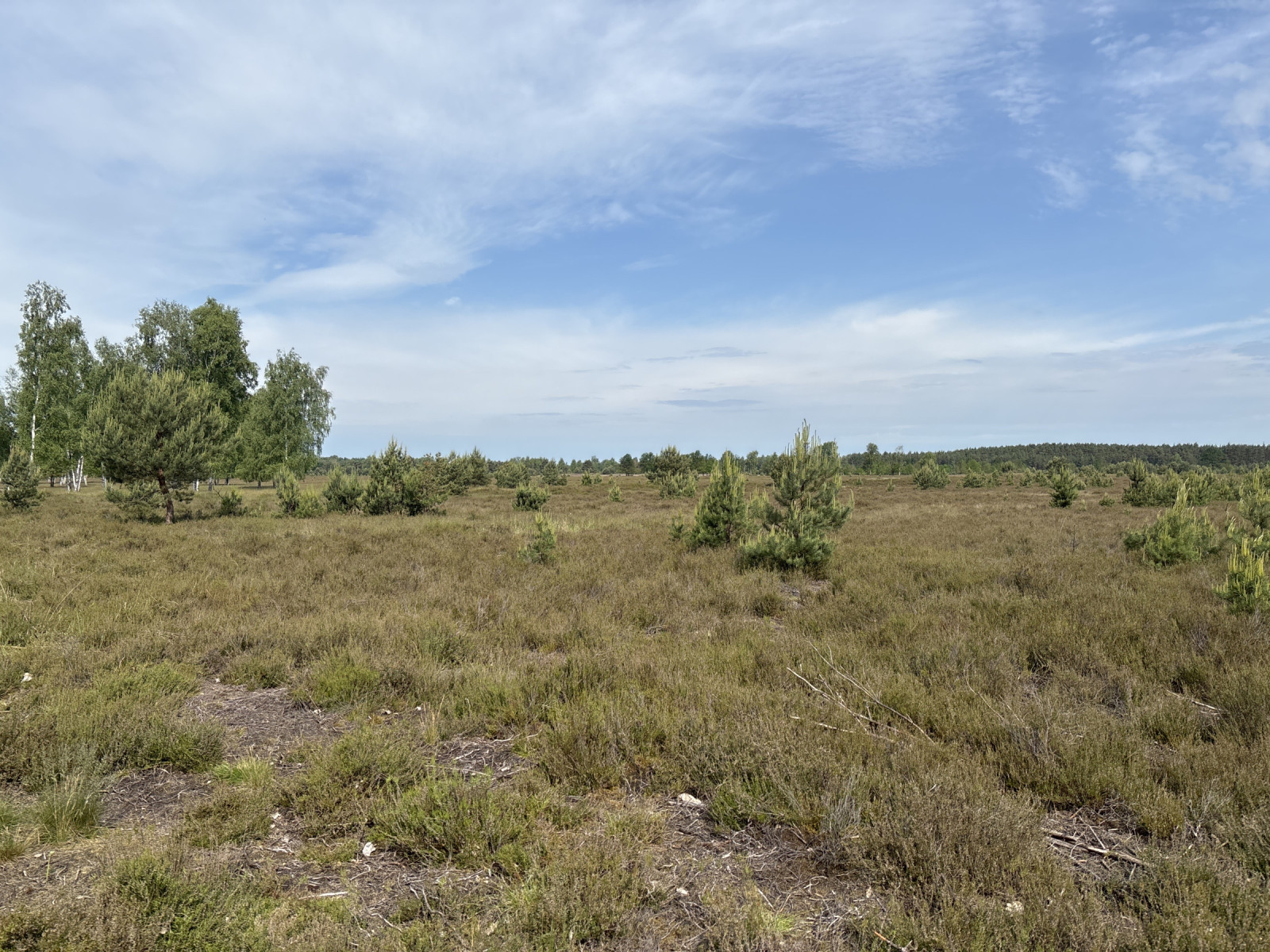
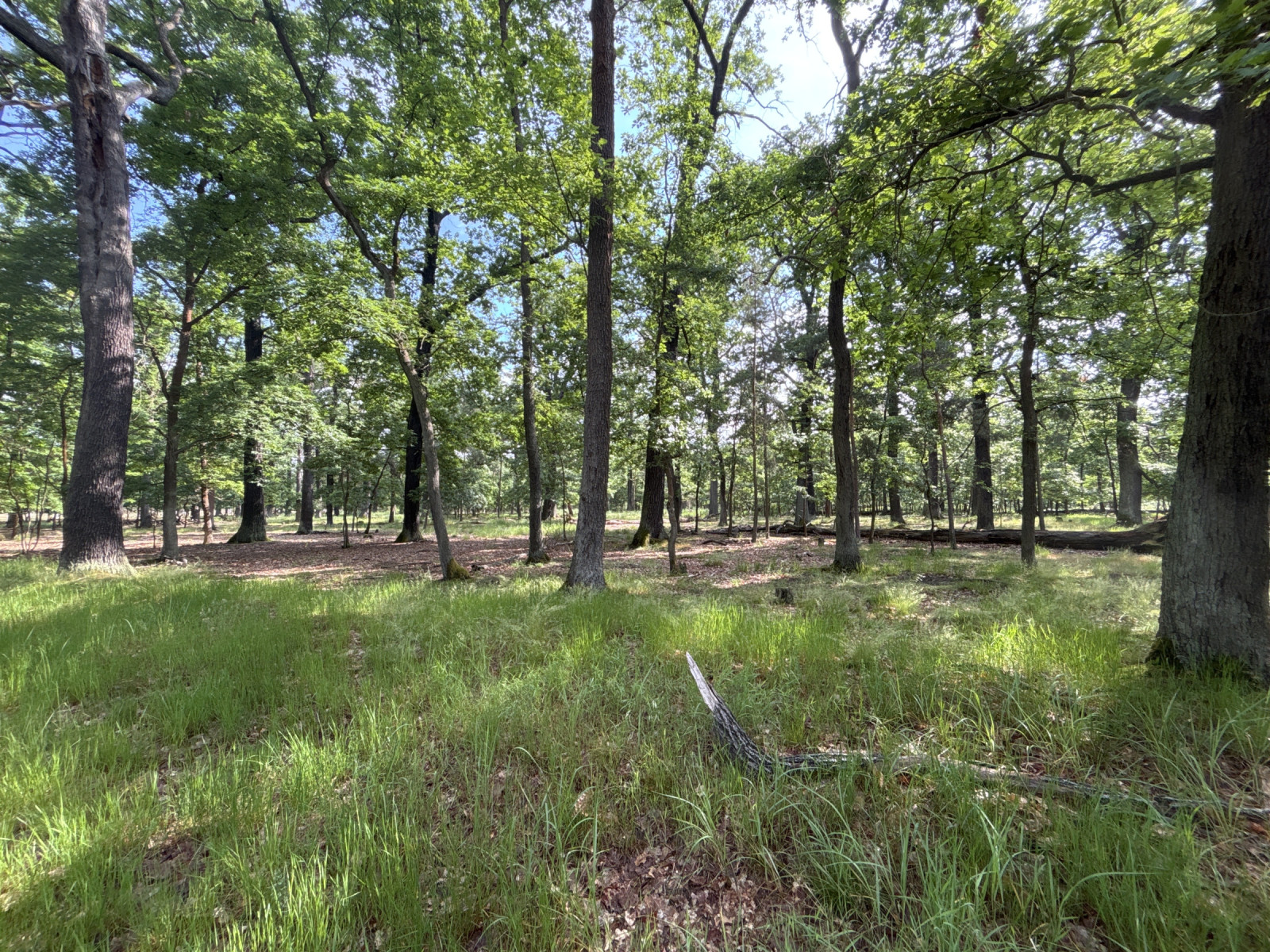
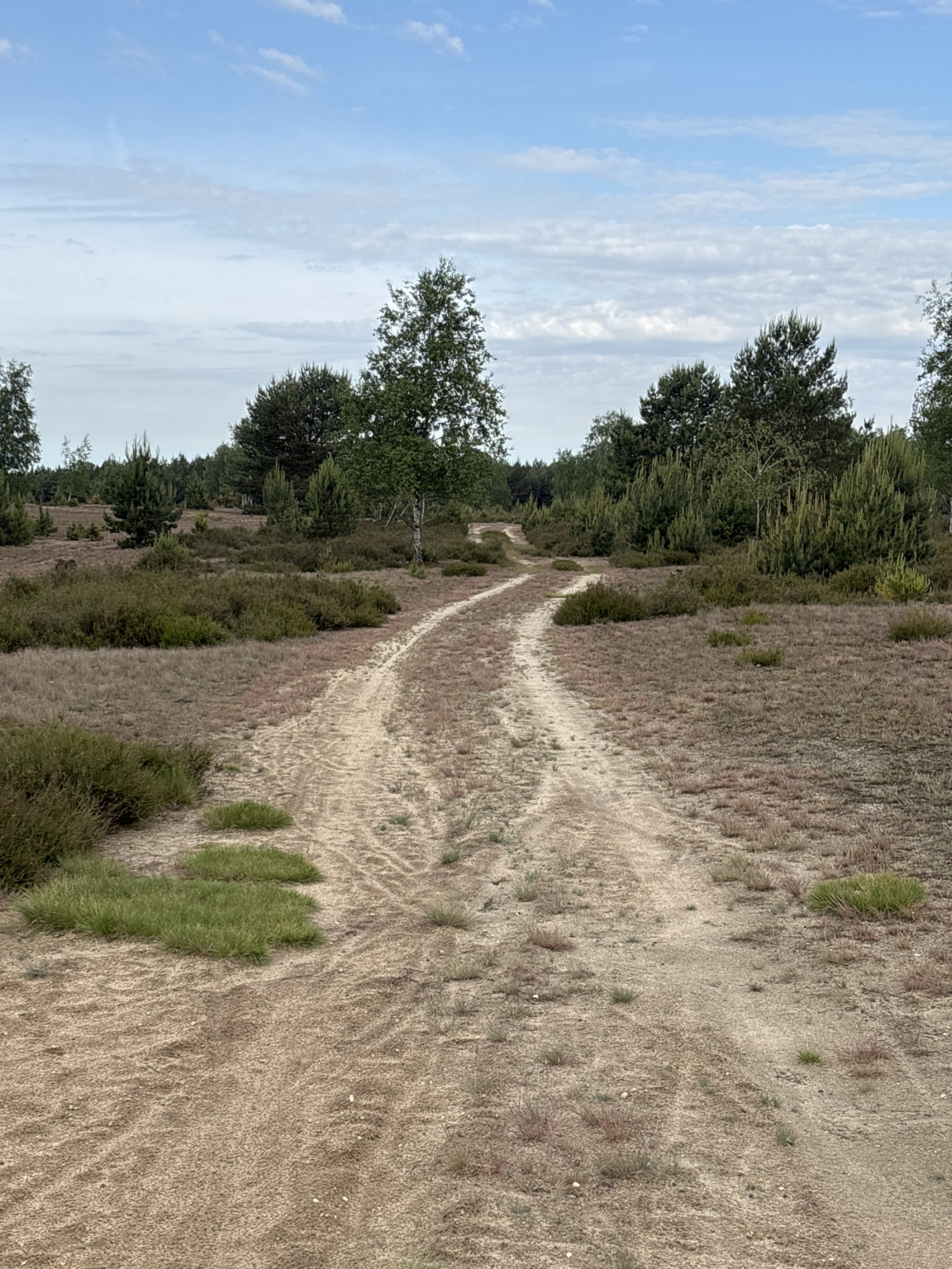
The Forsthaus Prösa area is a gently undulating, sandy-loamy terminal moraine landscape shaped by the Saale Ice Age. It impresses with one of the largest contiguous sessile oak forests in Central Europe and heathland areas. For decades, a large part of the area was a restricted military zone and was used as a military training area by the NVA, resulting in large areas of open land with silver grass and broom heath. Since 2008, the area has been owned by the German Federal Environmental Foundation and has been designated a “National Natural Heritage Site.”
The Prösa forest lodge is an excellent place for bird watching, especially during the breeding season in May and June. Notable breeding birds include Urogallo Común, Abubilla común, Chotacabras Europeo, Chocha Perdiz, and Bisbita Campestre. A total of seven species of woodpecker (Picamaderos Negro, Pico Picapinos, Pico Mediano, Pico Menor, Pito Cano, Pito Real, Torcecuello Euroasiático) inhabit the area. The melodious song of the Abubilla común and the calls of the Cuco Común can be heard in many places from May onwards. Alcaudón Dorsirrojo, Colirrojo Real, and Tórtola Europea breed in the peripheral areas. Abejero Europeo, Alcotán Europeo, and Cuervo Grande can also be observed. A project to reintroduce the Urogallo Común has been running since 2012. In August and September, a visit is recommended because of the heathlands are in full bloom.
Detalles
Accesso
The Forsthaus Prösa area is located about 50 km north of Dresden in the Elbe-Elster district. The hiking car park northwest of Hohenleipisch is a good starting point. Press P on the map for directions to the car park. From here, you can set off on a circular route (about 12 km, shown on the map below).
Walk west past orchards (Torcecuello Euroasiático, Abubilla común, Colirrojo Real, Alcaudón Dorsirrojo) to Grube "Gotthold" (Zampullín Común, Focha Común). Continue north to the heathland (former tactical training area). Here you can observe Alondra Totovía, Alondra Común, Bisbita Arbóreo, Tarabilla común, Abubilla común, Chocha Perdiz and Chotacabras Europeo. The circular route ends by walking through the sessile oak forests (Pito Cano, Tórtola Europea) to the east and later to the south.
The northern part of the area is recommended for the Urogallo Común.
Terreno y habitat
Bosque , Árboles y arbustos dispersos , Llanura , Brezales , EstanqueCondiciones
Plano , Arenoso , Seco , Paisaje abiertoCamino circular
Sí¿Se necesita telescopio?
Puede ser útilBuena época para el avistamiento de aves
Primavera , OtoñoMejor momento para visitar
PrimaveraRuta
Camino pavimentado , Camino ancho , Camino sin asfaltar , Camino estrechoCamino difícil de andar
FácilAccesible vía
A pie , Bicicleta , CocheEscondite de observación / plataforma
NoInformación extra
In the northern part of the area, parts of the heathland are restricted areas due to ammunition contamination.


 ) insertar los nombres de aves en tu propio idioma. ¡Los nombres de las aves serán traducidos automáticamente para otros usuarios!