
Descripción
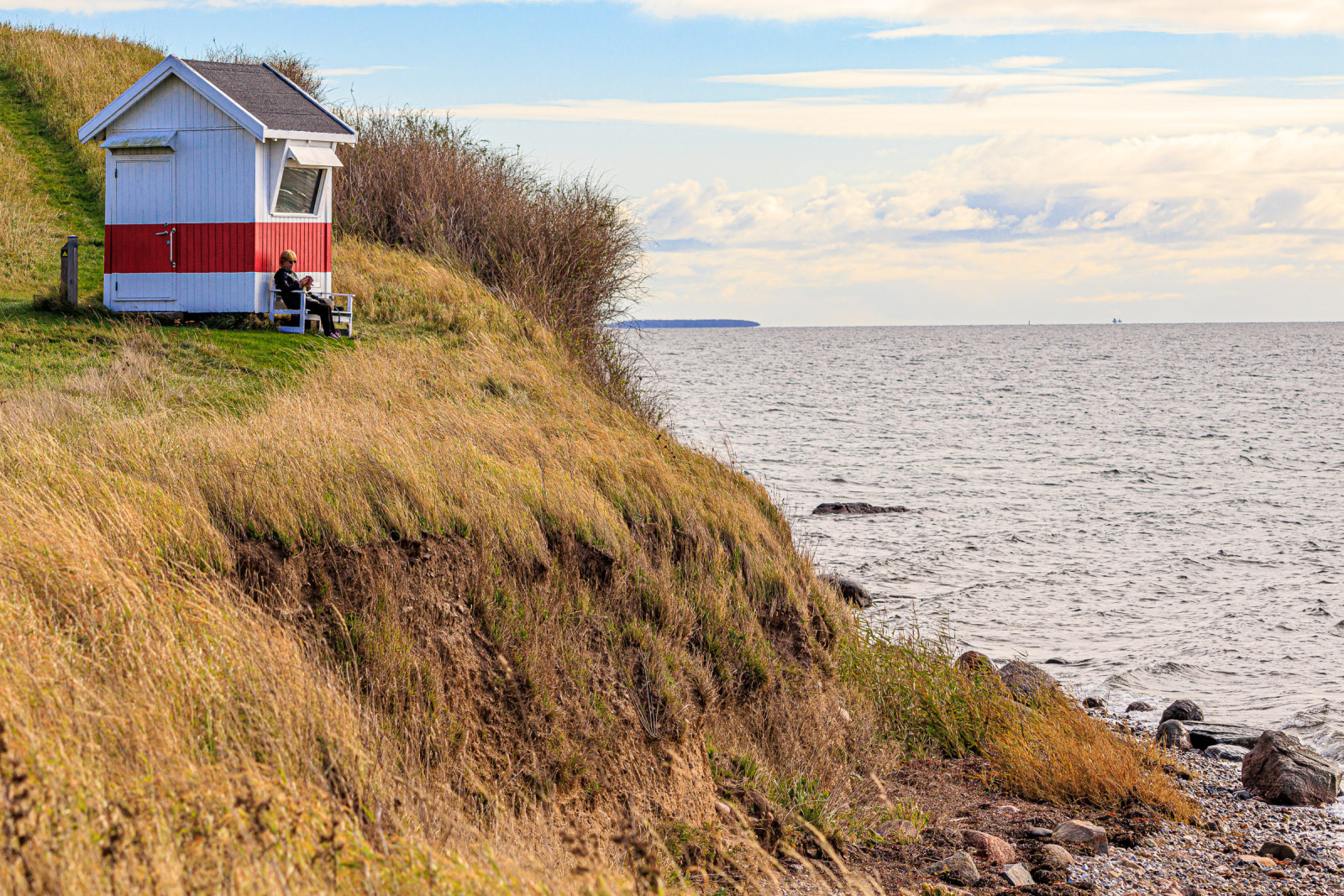
Bjørnø is a small island that covers an area of approximately 1.5 square kilometers. The western part of Bjørnø island is hilly with several high slopes, where there are breeding colonies of Avión Zapador. In the northern part of the island is a reed forest and a small lake, where other birds breed, including Carricero Común, Escribano Palustre, Somormujo Cuellirrojo and Tarro Blanco.
The eastern part of the island has a flat and rocky beach where Serreta Mediana and Cisne Vulgar breed. In Faaborg Fjord, which is located here, you can see large groups of birds in the winter. For example Éider común, Porrón Osculado, Porrón Moñudo and Focha Común. In the southern part of the island there is a long narrow rock and sand spit which contains 2 islets and forms a shallow lagoon. Many birds roost here: Cormorán Grande, Gaviota argéntea europea, Gavión Atlántico and waterfowl.
On the island itself there are bogs, and there is farming with various crops and livestock. There are several stone dikes and windbreaks. There are many Alondra Común here and there are many small birds such as Bisbita Pratense, Curruca Zarcera, Pardillo Común, Escribano Cerillo etc. In the town itself there are plenty of sparrows and swallows in the stables.
Detalles
Accesso
You can get to Bjørnø island by a small ferry from Faaborg, which sails several times a day (see the link below). You can park for free near the harbor. Press P on the map for directions to the Faaborg parking.
Terreno y habitat
Cañizos , Pradera , Mar , Agricultura , Ciudad/Pueblo , Lago , Árboles y arbustos dispersosCondiciones
Paisaje abierto , Arenoso , Montañoso , Sin sombraCamino circular
Sí¿Se necesita telescopio?
Puede ser útilBuena época para el avistamiento de aves
Primavera , Otoño , InviernoMejor momento para visitar
Migración de otoño , Migración de primaveraRuta
Camino sin asfaltar , Camino estrechoCamino difícil de andar
Caminata mediaAccesible vía
A pieEscondite de observación / plataforma
NoInformación extra
In the summer there can be many tourist and thus many disturbances. However, most people stay in the town.



 ) insertar los nombres de aves en tu propio idioma. ¡Los nombres de las aves serán traducidos automáticamente para otros usuarios!